

Apple Unveils iPhone 17: Thinner “Air” Model and Price Hike Amidst Trade War
CUPERTINO, Calif. — Apple on Tuesday, September 9, 2025, unveiled its latest generation of iPhones, introducing a new ultra-thin model dubbed the “iPhone 17 Air” and implementing a $100 price increase for its high-end iPhone 17 Pro. The launch, held in the iconic Steve Jobs Theater at Apple Park, comes as the tech giant continues to navigate the complexities of a global trade war and mounting pressure on its supply chain.

The iPhone 17: A Refined Experience
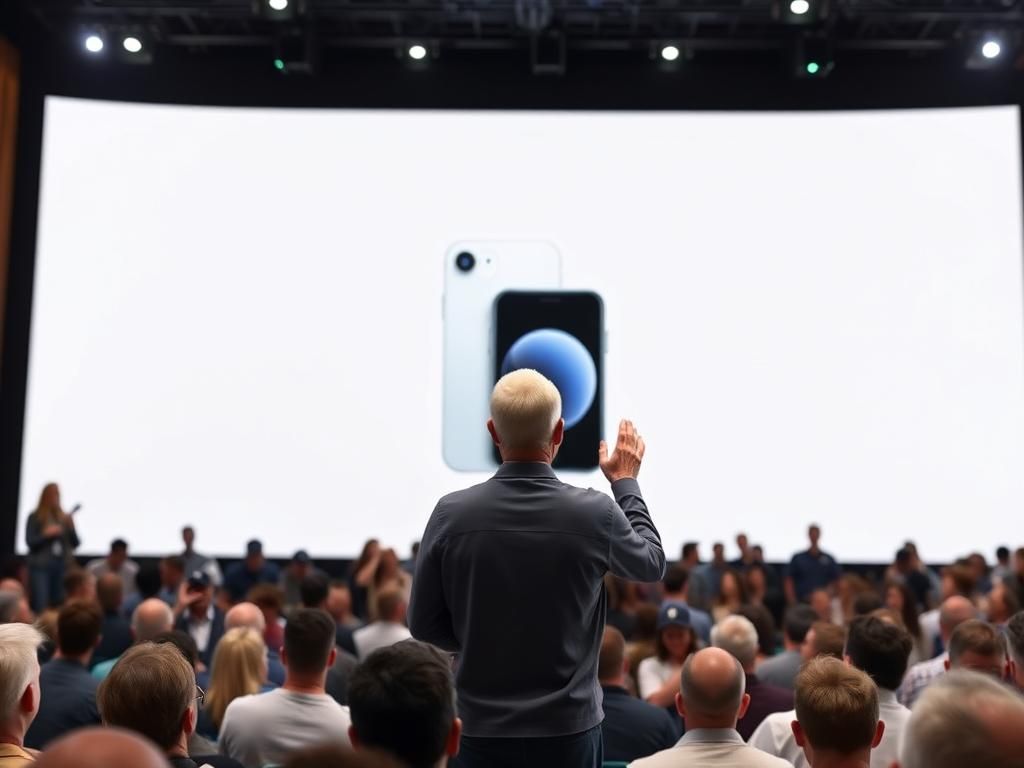
Apple CEO Tim Cook, addressing an eager crowd, declared, “We are raising the bar again,” as he detailed the four new iPhone 17 models. The highlight of the presentation was the introduction of the iPhone 17 Air, a sleek addition that adopts the “Air” moniker previously reserved for Apple’s lightest iPads and Mac computers. This new model boasts an impressively slim profile, measuring just 5.6 millimeters thick, significantly narrower than the 8 to 9 millimeters of other iPhone 17 variants, a design choice expected to appeal to “trend-conscious consumers,” according to Forrester Research analyst Dipanjan Chatterjee.
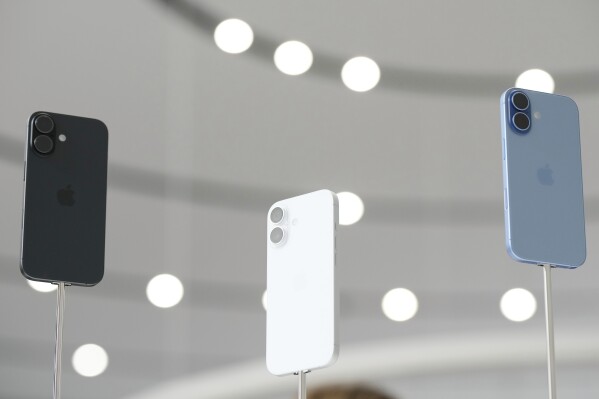
All four iPhone 17 models feature a suite of upgrades designed to enhance the user experience. These include improved camera systems, promising crisper photos and longer-lasting batteries. A notable enhancement for selfie enthusiasts is the front camera, now equipped with more megapixels for superior image clarity, alongside an innovative “Center Stage” option that leverages a wider field of view and a new sensor to enable landscape photos without needing to rotate the device. Furthermore, Apple has doubled the minimum storage capacity across the entire lineup, with all iPhone 17 models now starting at a generous 256 gigabytes.
Navigating the Tariff Landscape
The launch also brought a significant pricing adjustment for one of Apple’s premium devices. The iPhone 17 Pro will now retail for $1,100, marking a 10% increase from its previous version, which cost $100 less. This price hike is seen by analysts as a direct response to the ongoing global trade war, particularly the 25% tariffs imposed by President Donald Trump’s administration on goods manufactured overseas and imported into the U.S.

Despite calls from the Trump administration for iPhones to be manufactured domestically, all iPhone 17 models are still produced in Apple’s major manufacturing hubs in China and India. This continued reliance on overseas production exposes Apple to tariffs, which analysts believe contribute to the necessity of price adjustments to protect the company’s substantial profit margins. The new iPhone 17 Air will start at $1,000, aligning with the price of last year’s iPhone 16 Pro. Meanwhile, the basic iPhone 17 retains its $800 starting price, and the top-tier iPhone 17 Pro Max holds steady at $1,200. All models are slated to hit store shelves on September 19.
Market Reaction and Analyst Insights
Investors reacted with caution to the announcement; Apple’s shares closed down 1.5% on Tuesday, even as the broader tech-driven Nasdaq composite index saw gains of 13% year-to-date. This subdued market performance reflects lingering concerns about Apple’s ability to sustain growth and innovation amidst economic uncertainties. The company’s market value has already declined by 6% this year.
Forrester Research analyst Dipanjan Chatterjee summarized the event, noting, “There were plenty of crackles and one big pop,” referring to the excitement surrounding the iPhone 17 Air. Paolo Pescatore, an analyst at PP Foresight, added that Apple “appears to have done enough to bring a sense of newness to the iPhone, which has remained the same for too long.”
Beyond the Handset: Ecosystem Updates
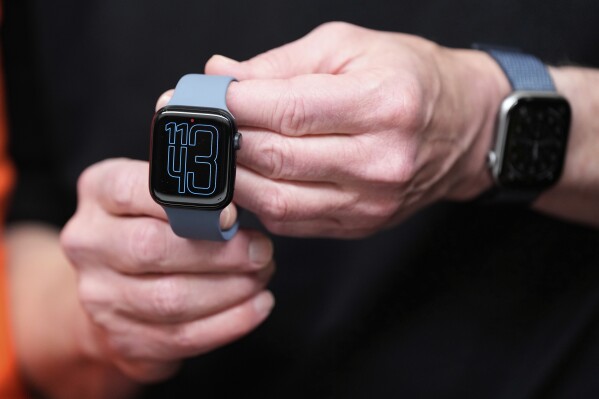
Beyond the flagship iPhones, Apple also introduced its latest smartwatches, featuring a new health tool designed to detect potential hypertension. New wireless AirPod headphones were also unveiled, signaling continued investment in Apple’s expansive ecosystem of devices and services.
The Road Ahead: Innovation and Geopolitical Headwinds
Apple has faced scrutiny in recent years regarding its pace of innovation. The previous iPhone 16 lineup, for instance, experienced “lackluster” sales as it failed to deliver all promised artificial intelligence features, particularly a smarter Siri assistant, which has now been pushed back to next year. Thomas Hussan, another Forrester Research analyst, emphasized this point, stating, “To truly differentiate and outperform its competition, Apple will have to crack AI as a new contextual user-interface.”
The ongoing trade disputes further complicate Apple’s strategic planning. President Trump and U.S. Commerce Secretary Howard Lutnick have repeatedly advocated for iPhone manufacturing within the United States. However, analysts universally regard this demand as unrealistic, estimating it would take years to achieve and potentially double or even triple the iPhone’s average price of approximately $1,000. Apple CEO Tim Cook has engaged in diplomacy, pledging an initial $500 billion investment in the U.S. over four years, later increasing that commitment by an additional $100 billion. He even presented Trump with a statue featuring a 24-karat gold base in an apparent effort to mitigate tariff impacts. Despite these efforts, the 25% tariffs on imported iPhones persist, underscoring the delicate balance Apple must maintain between innovation, pricing, and geopolitical realities.