

Venezuela’s Paria Peninsula: US Drug Strikes Deepen Despair in Impoverished Fishing Communities
GÜIRIA, Venezuela – On the breathtaking Paria Peninsula, an idyllic stretch of Venezuela’s Caribbean coastline, an uncomfortable truth has long been an open secret: the fishing boats that ply these waters often carry not just fish, but also illicit drug cargo. This clandestine economy, a desperate response to a decade of economic collapse, has been severely disrupted following a targeted U.S. military strike earlier this month, leaving impoverished communities grappling with even greater hardship.
The September 2nd Incident
On September 2nd, the Trump administration announced a deadly strike on a boat it claimed was laden with drugs and carrying 11 members of the notorious Tren de Aragua gang. The U.S. stated the vessel, which allegedly departed from Venezuela, was fired upon multiple times after it changed course. This operation, part of an escalated U.S. maritime presence in the Caribbean, was touted as a paradigm shift in combating drug trafficking in the Western Hemisphere. Days later, another strike occurred, targeting a second vessel also purportedly carrying drugs from Venezuela, resulting in three more fatalities.
However, the Venezuelan government, led by President Nicolás Maduro, swiftly dismissed the U.S. claims. Interior Minister Diosdado Cabello initiated an investigation into the first strike, yet provided no further details, while repeatedly asserting that Venezuela is not a significant player in global drug trafficking. Venezuelan officials even claimed the video evidence released by President Trump was fabricated with artificial intelligence and that a boat of its size could not navigate the high seas.
Anatomy of a “Peñero” and the Lure of Illicit Trade
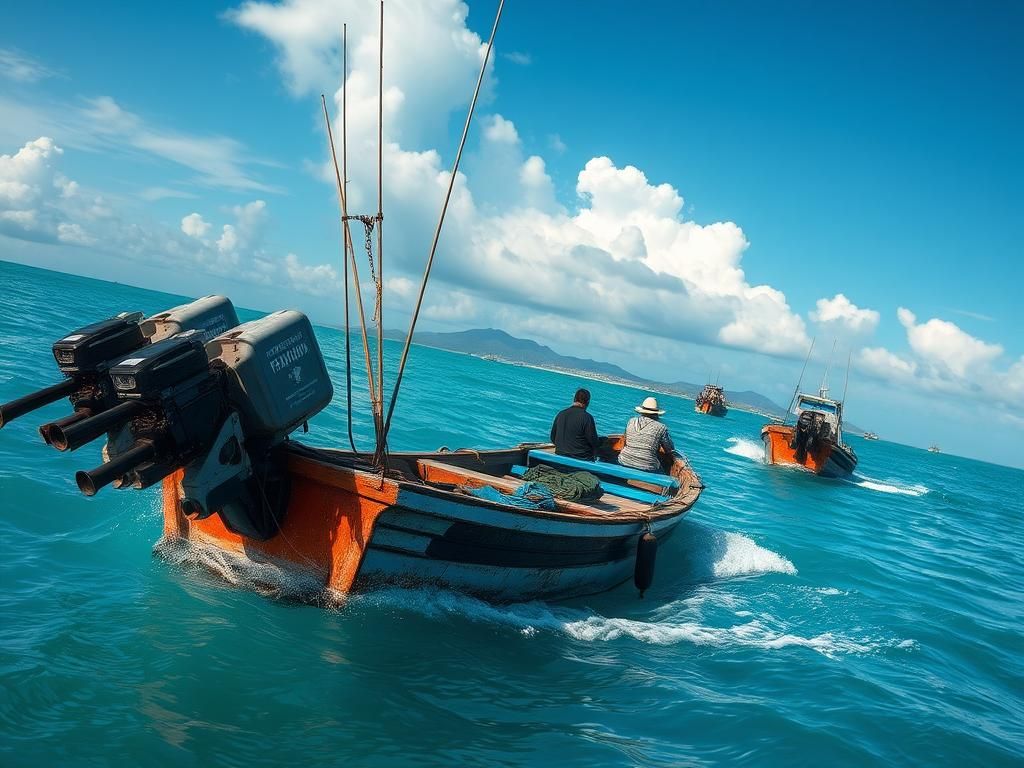
Local fishermen on the Paria Peninsula, familiar with the nuances of their craft, quickly identified the vessel from the video as a “peñero,” a 12-meter-long fishing boat. What stood out were its four powerful engines, each estimated at a minimum of 200 horsepower – a force five times greater than typically used on local fishing vessels. “Fishing doesn’t pay enough to buy a motor like that,” remarked fisherman Junior González from Guaca. These high-powered engines, necessary for longer, faster journeys, can cost between $15,000 and $20,000 each for a run to destinations like Trinidad and Tobago, compared to the $4,000-$5,000 for standard local motors.
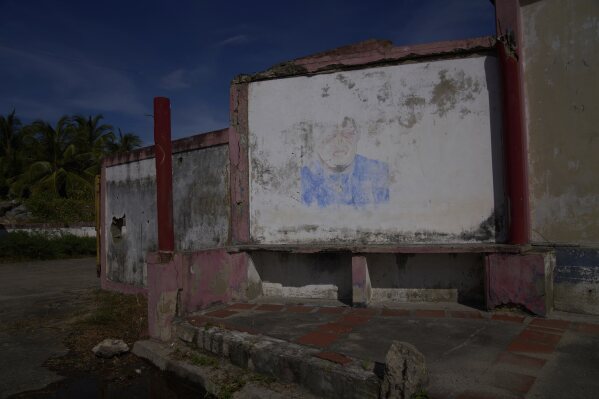
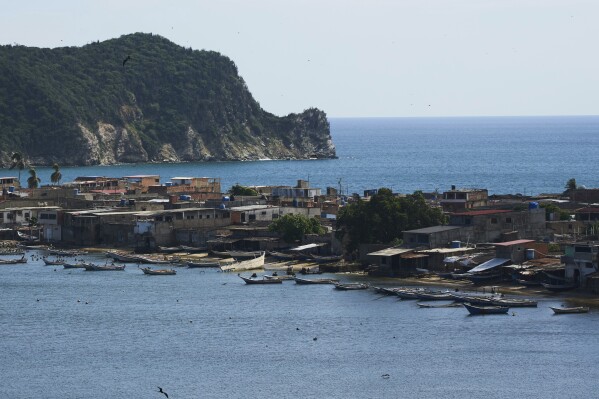
This disparity underscores the dire economic realities faced by Venezuelan fishing communities. “There is no revolution here,” lamented retiree Alberto Díaz, referring to the late Hugo Chávez’s socialist movement that promised prosperity but, a decade later, has left many in Güiria with “hunger, sacrifice, pure pain.” The local fishing industry, once a source of stable income, has crumbled due to years of overfishing, failed restoration efforts, and Venezuela’s overarching economic crisis. In communities like Guaca and El Morro de Puerto Santo, new regulations can reduce a fisherman’s monthly income to below $100, barely enough to cover a week’s groceries. Drug running, in stark contrast, offers thousands in a single transaction.
Local Impact and Hard Choices
Kira Torres, whose husband’s fishing crew returned to El Morro de Puerto Santo recently without a catch and thus no income, highlighted the desperation. “He doesn’t have food this week,” she said, adding that government food rations, coordinated by ruling-party leaders, have not arrived in months. Torres conceded that while some fishermen engage in drug running for “easy money,” it is often born out of necessity – hunger, or the need to care for a sick relative. “Need forces them to do anything, and since the government doesn’t come here to help, what is one supposed to do?”
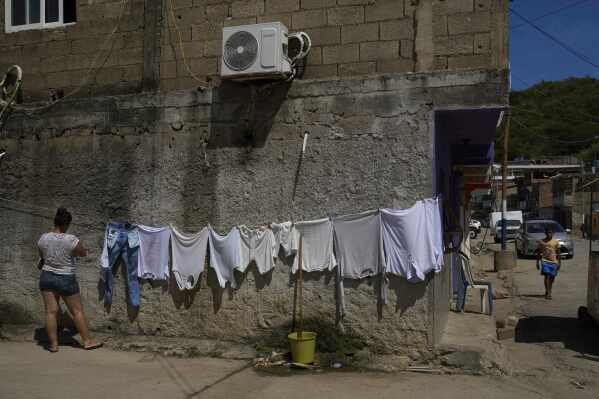
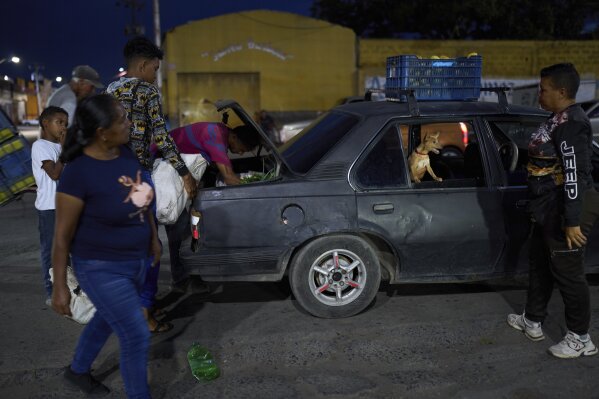
The immediate economic impact of the U.S. strike is palpable. When drug runs were successful, local businesses flourished, seeing customers pay with crisp U.S. dollar and euro bills, indulging in restaurant meals and larger grocery purchases. Now, that activity has ceased. Jean Carlos Sucre, a restaurant and bakery owner in Güiria, noted a drastic drop in sales. “Those who are working illegally aren’t setting sail for fear of being caught by the gringos, I imagine,” Sucre stated, reporting a fall from 90 hamburgers sold weekly to just 10. “Everyone here knows what happened, but very few talk.”
The Broader Context: Exaggeration or Real Threat?
While the U.S. administration framed these operations as critical in the fight against significant drug cartels, Christopher Sabatini, a research fellow at the Chatham House in London, offers a more nuanced view. Sabatini argues that the Trump administration “has completely exaggerated” the scale of these illicit activities by linking them to the Tren de Aragua gang and portraying them as an immediate threat to the United States. He emphasized that these “small-scale fishermen — and now small-scale drug traffickers — could never make the journey all the way up the Caribbean to the United States” and “don’t represent the crux of the issue.”
The U.S. military strikes have indeed disrupted a flow of money, but they have also deepened the despair in Venezuela’s already struggling coastal communities, forcing residents to confront the grim choices dictated by poverty and a fractured economy.