

China and India Pledge to Resolve Border Disputes and Bolster Cooperation at SCO Summit
Historic Meeting in Tianjin Signals De-escalation
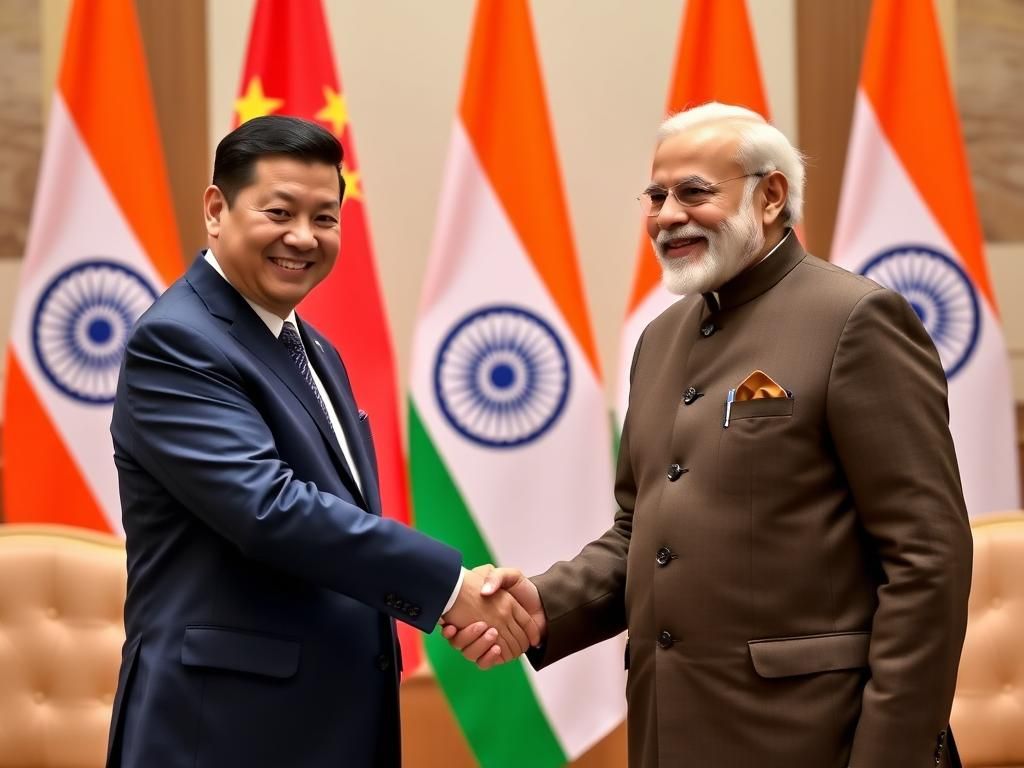
TIANJIN, China — Chinese leader Xi Jinping and Indian Prime Minister Narendra Modi convened on Sunday in Tianjin, China, pledging to resolve their long-standing border differences and bolster cooperation. The high-stakes meeting took place ahead of the opening of a crucial regional summit hosted by the Shanghai Cooperation Organization (SCO), a Eurasian political, economic, and security alliance of which both nations are prominent members.
The bilateral discussions mark a significant step towards de-escalation, following a period of severely strained relations between the two nuclear-armed neighbors. Ties between Beijing and New Delhi deteriorated sharply after deadly border clashes in 2020 along their contested Himalayan frontier, which led to a freeze in high-level diplomatic exchanges and increased military presence in the disputed regions.
Leaders Emphasize Peace and Development
During his opening remarks, Prime Minister Modi, on his first visit to China since the 2020 clashes, noted a positive shift in relations, stating that they have moved in “a meaningful direction.” He emphasized the presence of “a peaceful environment at the borders after disengagement” and underscored “the importance of peace and tranquillity on the border areas for continued development of bilateral relations,” according to a statement from India’s Ministry of External Affairs.
Echoing this sentiment, President Xi Jinping expressed his hope that the Tianjin meeting would “further elevate” and “promote the sustained, healthy and stable development of bilateral relations.” Speaking via state broadcaster CCTV, Xi urged both sides not to “let the border issue define the overall China-India relationship,” advocating for a primary focus on economic development. He further articulated that bilateral ties would flourish “as long as they remain committed to the overarching goal of being partners, not rivals, and providing development opportunities, not threats.”
Months of Diplomatic Efforts Lead to Breakthrough
This diplomatic breakthrough follows several months of deliberate efforts towards rapprochement. Earlier in August, China’s top diplomat, Wang Yi, traveled to New Delhi, signaling a clear intent to normalize relations. During his visit, both governments committed to restarting long-stalled border talks, resuming the issuance of visas, and restoring direct flight routes between the two countries. Furthermore, in June, Beijing took a goodwill gesture by allowing Indian pilgrims to visit holy sites in Tibet, a move seen as easing restrictions on cross-border movement.
Strategic Autonomy in a Shifting Global Landscape
The timing of these renewed diplomatic efforts is particularly noteworthy, coinciding with external pressures on India. Wang Yi’s visit, for instance, occurred around the same period as the U.S. President Donald Trump’s decision to impose 50% tariffs on India over its continued purchase of Russian oil. Addressing these broader geopolitical dynamics, Prime Minister Modi explicitly stated that “India and China both pursue strategic autonomy, and their relations should not be seen through a third country lens,” as reported by India’s foreign ministry. This statement underscores India’s commitment to an independent foreign policy, navigating its relationships with major global powers without external influence.
SCO Summit to Highlight Regional Diplomacy
The upcoming days in Tianjin will also see Russian President Vladimir Putin joining the summit, with scheduled meetings with both President Xi and Prime Minister Modi, further highlighting the intricate web of regional diplomacy and the strategic significance of the SCO forum. The pledges made by China and India suggest a cautious but determined path toward rebuilding trust and fostering greater cooperation after years of tension.