


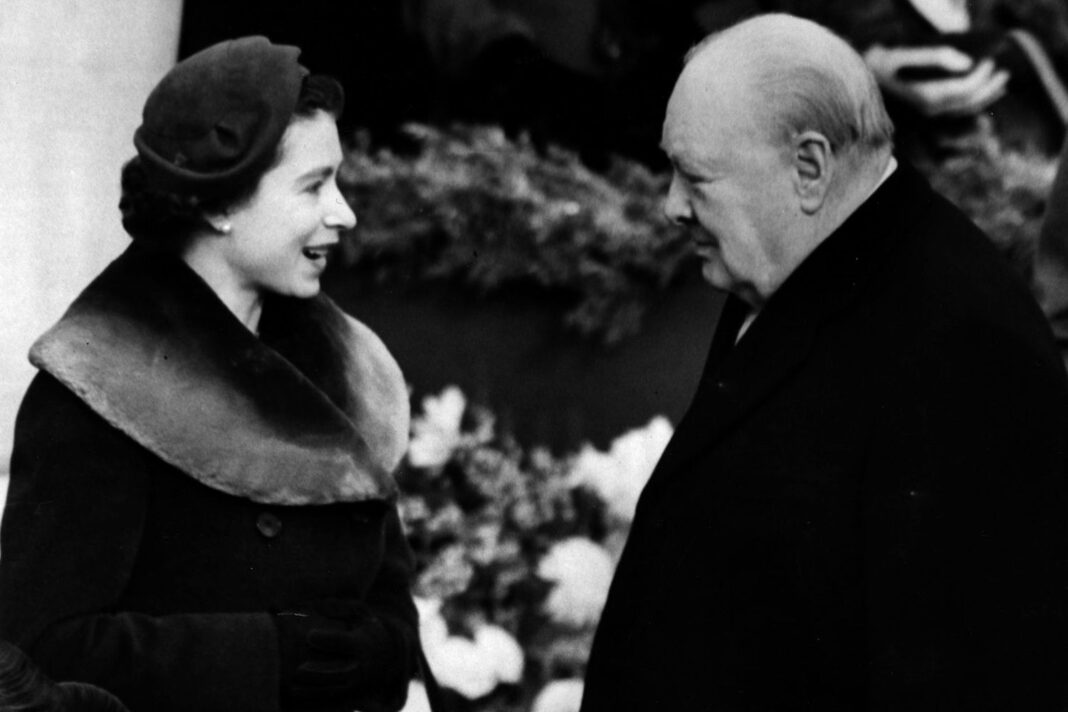
Winston Churchill: The Steadfast Architect Guiding Queen Elizabeth II Through Her Early Reign’s Turmoil
A new authoritative biography, “Winston and the Windsors” by renowned royal expert Andrew Morton, sheds light on the indispensable bond between Queen Elizabeth II and her first Prime Minister, Sir Winston Churchill. The book, set for release on October 21st, explores how Churchill’s seasoned guidance proved critical in helping the young monarch navigate the tumultuous initial years of her record-breaking 70-year reign.
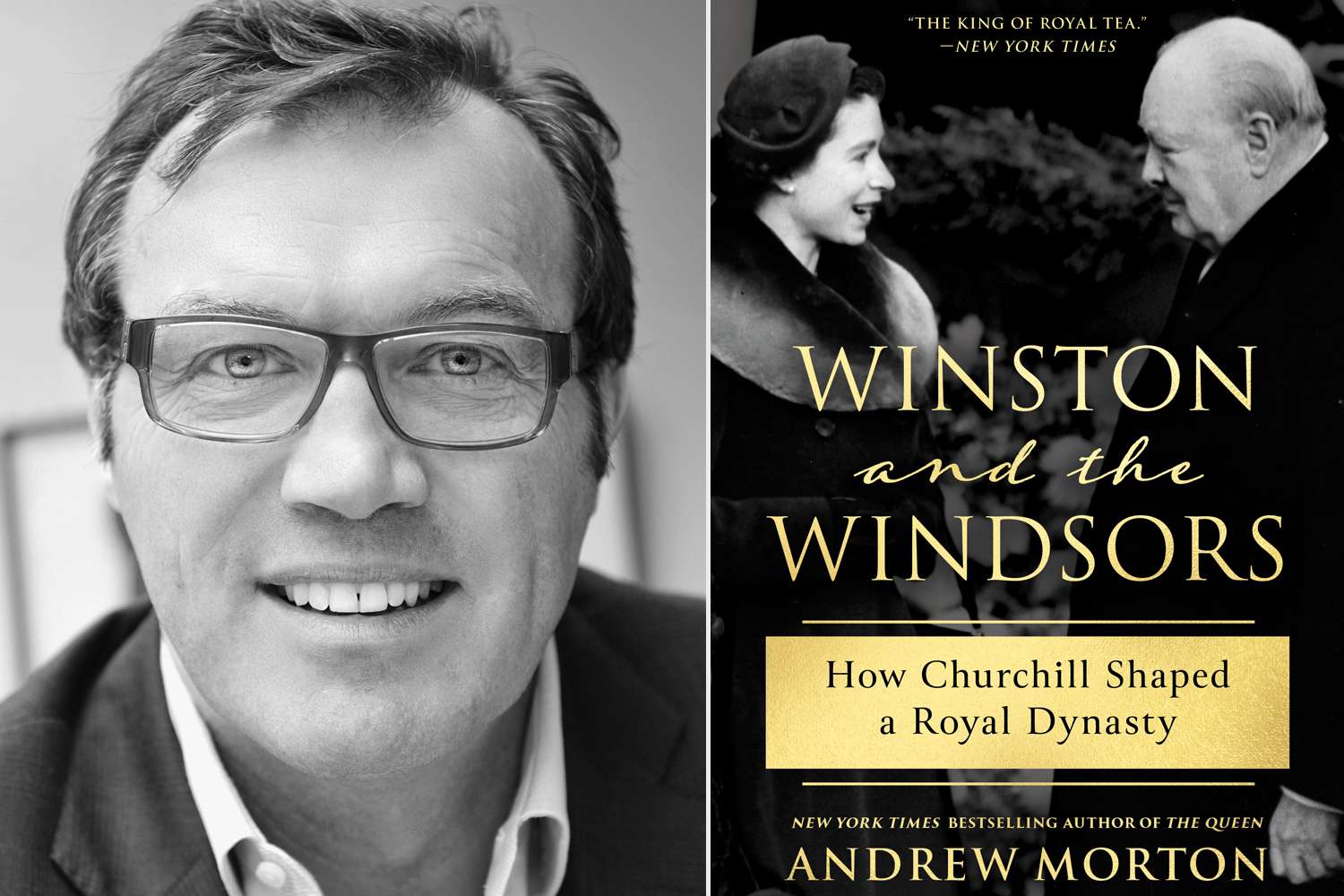
Queen Elizabeth ascended to the throne in 1952 at the tender age of 25, thrust into the role far sooner than anticipated by the sudden death of her beloved father, King George VI, on February 6th, while she was on a Commonwealth tour in Kenya with Prince Philip. She became the first female sovereign since Queen Victoria, who had died 51 years prior in 1901, facing the daunting task of leading a nation still recovering from the ravages of World War II and managing a monarchy grappling with internal strife.
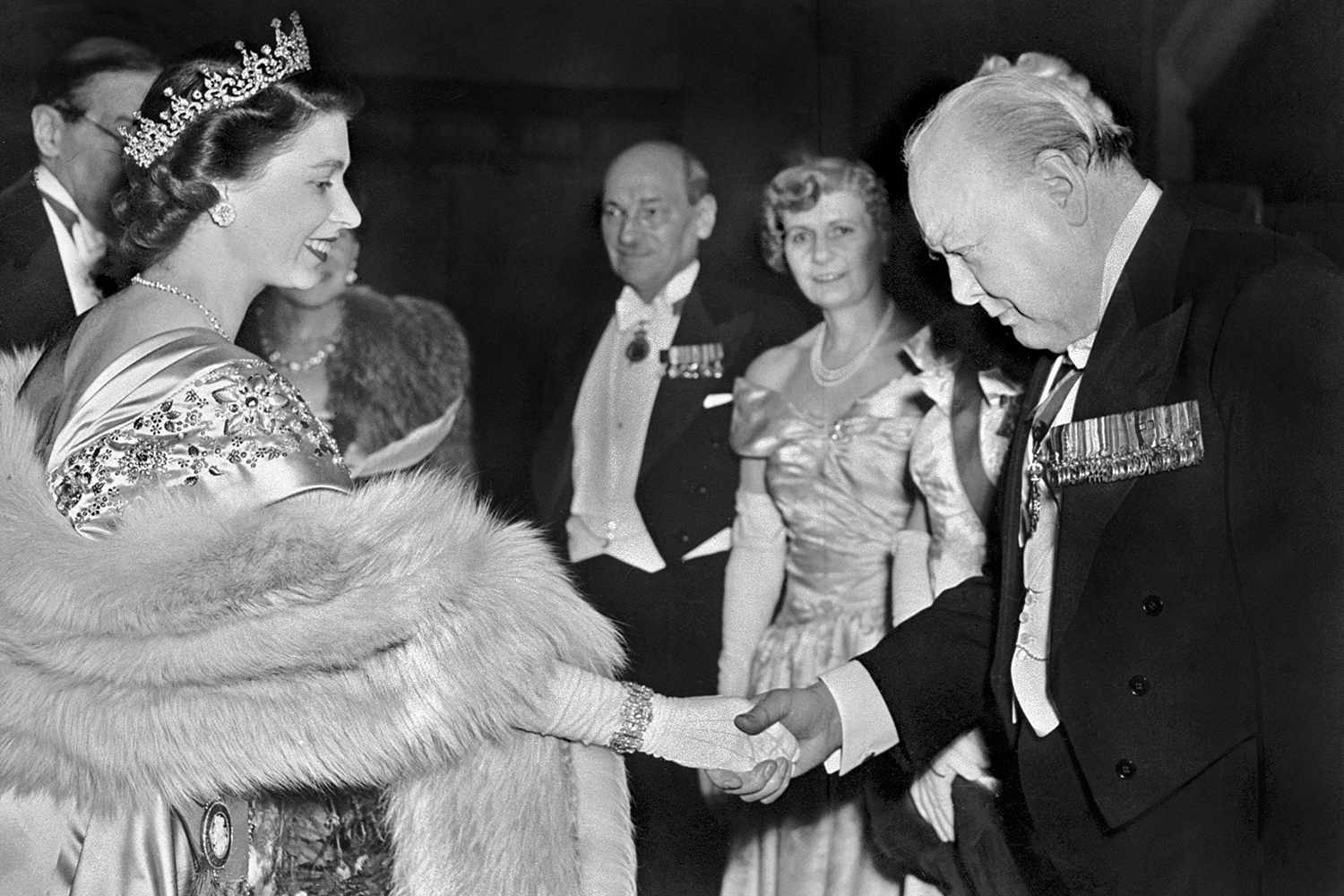
According to Morton, author of the famed “Diana: Her True Story,” Churchill “came into her life at a time of tragedy and loss, and advised and guided her through a very difficult family maze.” Their relationship, characterized by mutual respect and a shared passion for horses and horse breeding, allowed for a unique connection. Churchill, who would serve as the first of 15 prime ministers during Elizabeth’s tenure, deeply admired her resolute character. He often remarked that she was “very much her father’s daughter” and believed she possessed “the temperament of a bureaucrat, but the glamour of a queen.” This profound admiration cemented his place as her undeniable favorite among her many political leaders.
However, the early years were not without significant challenges for the new Queen and her family. Prince Philip, who had expected more years in his promising naval career, felt the abrupt end keenly. His frustration boiled over when his desire to rename the Royal House to Mountbatten, after his own surname, was decisively rejected. Backed by Churchill, Queen Mary, and the Cabinet, the decision was made to retain the House of Windsor, a name adopted by King George V in 1917. Philip famously lamented, “I’m nothing but a bloody amoeba,” expressing his sense of powerlessness within the ancient institution.
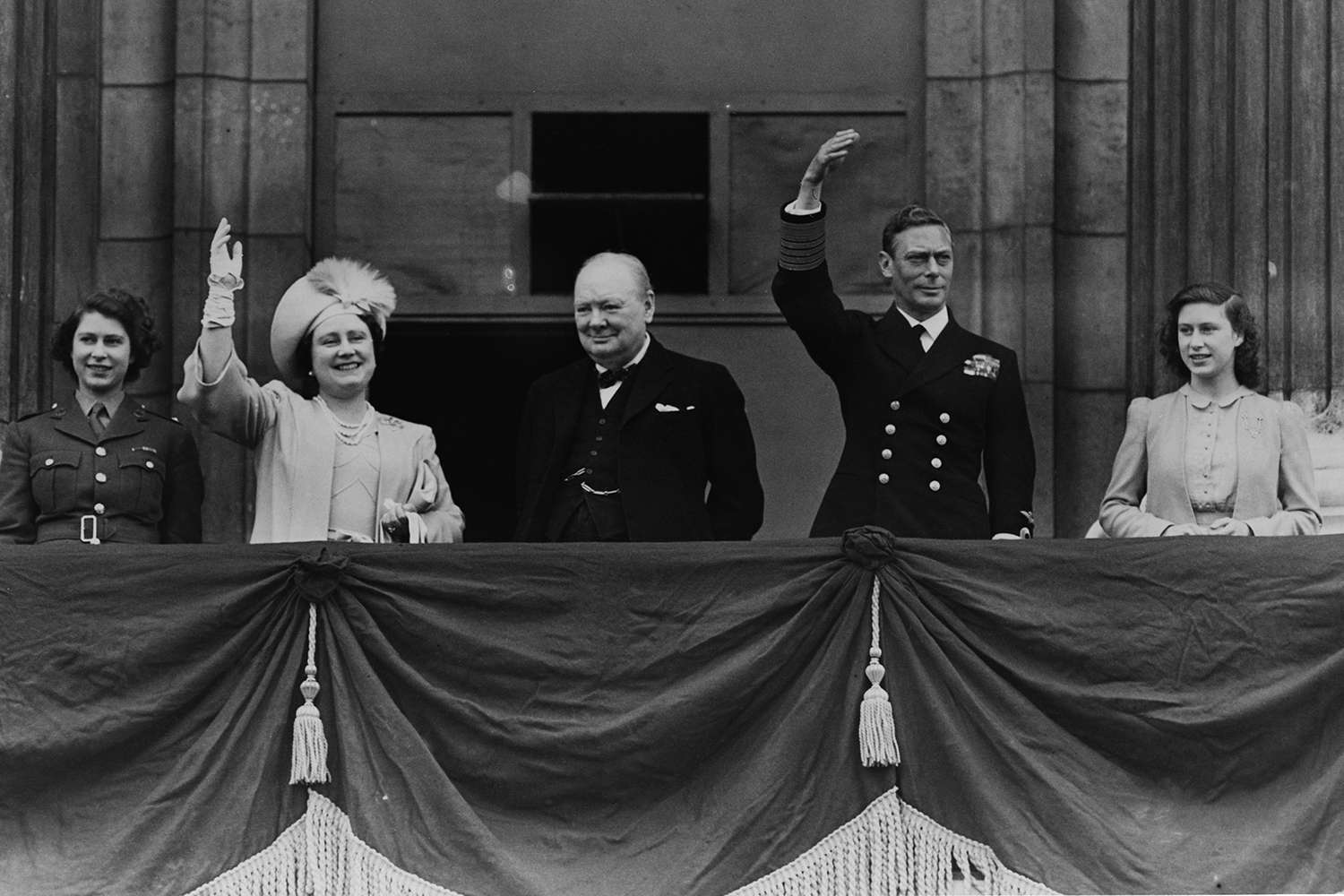
Churchill’s influence extended to healing rifts within the Royal Family itself. Following King George VI’s death, Queen Elizabeth The Queen Mother retired to Birkhall in Scotland, overwhelmed by grief and reluctant to re-engage with public life. It was Churchill who took it upon himself to journey to Scotland and personally persuade her to return. “The Queen couldn’t convince her mother to come back into public life, but Churchill did,” Morton recounts, highlighting a pivotal moment that saw the Queen Mother re-emerge as a vital “national treasure” for the monarchy.
The young Queen also faced a delicate constitutional crisis involving her younger sister, Princess Margaret. Margaret was deeply affected by her father’s death and entangled in a burgeoning affair with Group Captain Peter Townsend, a decorated Battle of Britain pilot and a divorcee. This presented a significant challenge for the Queen, caught between her sister’s happiness and the stringent doctrines of the Church of England, which prohibited the marriage of divorced persons, and the Royal Marriages Act of 1701, requiring monarchical consent for royal unions.
Initially, Churchill harbored a positive view of the romance, seeing it as “a beautiful princess marrying a war hero,” a sentiment shared by much of the public. However, he soon recognized the immovable constitutional and religious obstacles. Despite his personal inclination, his statesmanlike duty prevailed, guiding the Queen through a situation that threatened to destabilize the monarchy. The Queen’s trust in Churchill was so profound that when he offered to involve the cabinet, she famously replied, “Let’s just keep it in the family”—a family that, by then, firmly included Churchill himself.
Churchill’s invaluable mentorship and unwavering support during this formative period laid a crucial foundation for Queen Elizabeth II’s historic reign. His profound impact was honored in 1965 when, upon his death, Queen Elizabeth granted him a state funeral at St. Paul’s Cathedral, a rare tribute reflecting his immense stature and their unique bond. His sagacious counsel during those initial, challenging years undoubtedly helped forge the resilient monarch who would ultimately serve Britain and the Commonwealth for an unparalleled seven decades until her passing at the age of 96 in September 2022.