

PepsiCo’s Bold Move: Phasing Out Artificial Dyes for Natural Colors Across U.S. Portfolio
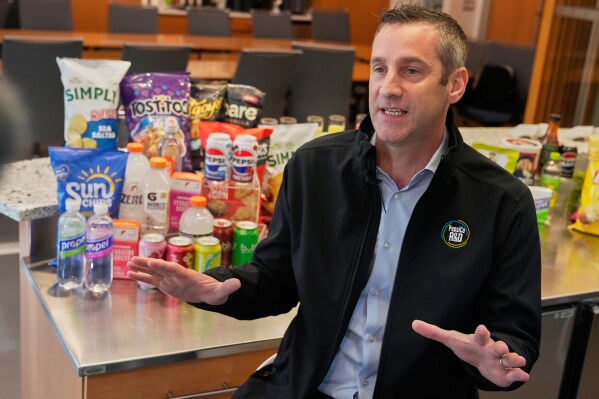
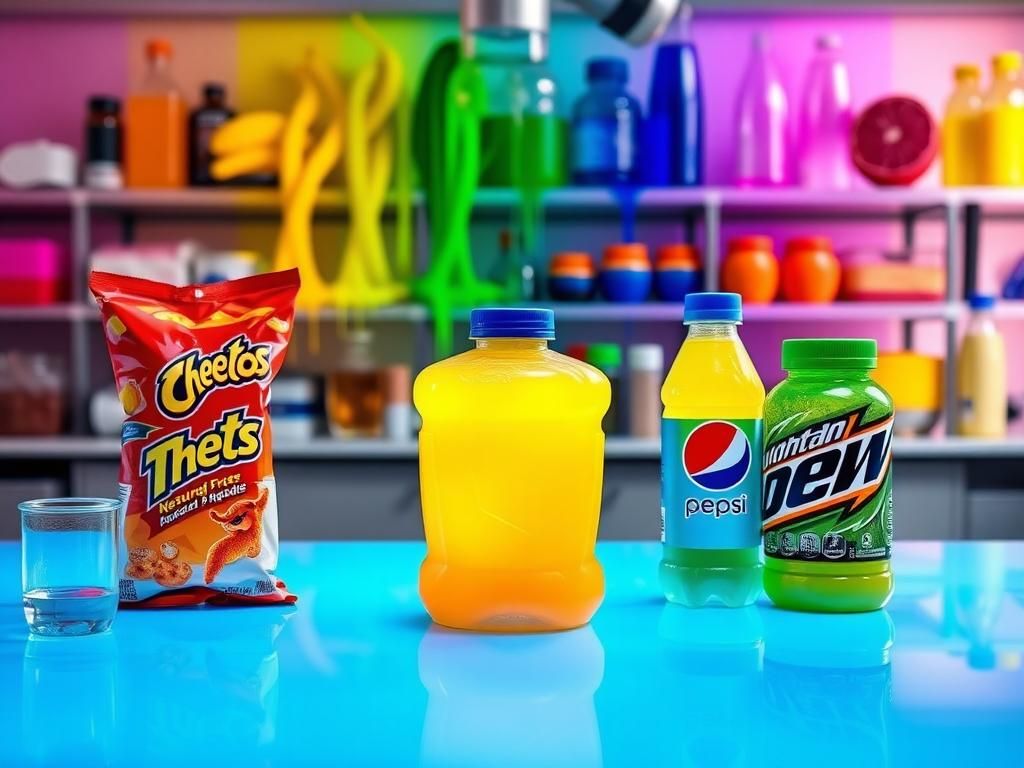
VALHALLA, New York – In a bold response to shifting consumer preferences, PepsiCo, the global food and beverage behemoth behind iconic brands like Gatorade, Cheetos, Doritos, and Mountain Dew, is undertaking a massive, multi-year initiative to replace artificial food dyes with natural colorants across its extensive U.S. product portfolio. Announced in April, this accelerated shift reflects a significant industry pivot away from synthetic ingredients increasingly scrutinized by health-conscious consumers. Currently, approximately 40% of PepsiCo’s U.S. offerings still rely on synthetic dyes, posing a substantial challenge to maintain the vivid, recognizable hues that define many of its popular products.
The Consumer Roar and Historical Perspective
For decades, synthetic dyes reigned supreme in the food industry, prized for their vibrant stability, consistent coloring, and cost-effectiveness compared to their natural counterparts. These petroleum-based colorants, rigorously tested and approved by the U.S. Food and Drug Administration (FDA), became ubiquitous in processed foods and beverages. However, consumer sentiment has undergone a dramatic transformation. What began as a “whisper” two decades ago—a small segment of shoppers seeking products free from artificial colors and flavors, prompting the launch of PepsiCo’s Simply line of chips in 2002 and dye-free organic Gatorade in 2016—has escalated into a “roar,” according to Amanda Grzeda, PepsiCo’s senior director of global sensory and consumer experience. Driven by the amplifying power of social media and a heightened public interest in ingredient lists, a recent internal PepsiCo study revealed that over half of surveyed consumers are actively trying to reduce their intake of artificial dyes. This growing demand, coupled with evolving regulatory landscapes, is compelling food giants to rethink their palettes.
The Complexities of the Color Conversion
The transition away from artificial dyes is far from simple, a process Chris Coleman, PepsiCo’s senior director for food research and development in North America, estimates can take “two or three years” per product. Unlike their synthetic predecessors, natural colorants derived from plants, fruits, and vegetables present a myriad of hurdles. Researchers must first identify natural ingredients that can deliver the desired visual appeal while maintaining a stable shelf life, resisting degradation from light, heat, or acidity. Critically, these new colorants must not alter a product’s familiar taste profile – a non-negotiable for consumer acceptance. “We’re not going to launch a product that the consumer’s not going to enjoy,” Coleman asserted.
Beyond the initial ingredient discovery, the process involves ensuring a safe and adequate supply chain for these natural materials, followed by extensive testing with both trained sensory experts and consumer panels. The new formulations must seamlessly integrate into existing manufacturing processes, and updated packaging needs to be designed.
Innovation in the Labs: From Cheetos to Gatorade
PepsiCo’s Frito-Lay food labs in Plano, Texas, are bustling with innovation. Scientists are experimenting with familiar spices like paprika and turmeric to replicate the iconic bright reds and oranges found in snacks such as Flamin’ Hot Cheetos. Meanwhile, in Valhalla, New York, Damien Browne, vice president of research and development for PepsiCo’s beverage division, oversees efforts to color drinks like Mountain Dew and Cherry 7Up using natural sources such as purple sweet potatoes and various types of carrots.
The visual component is paramount, especially for beverages like Gatorade, where specific colors often serve as key identifiers for distinct flavors. “We eat with our eyes,” Browne emphasized, highlighting the psychological link between a product’s appearance and consumer expectation.
The initial wave of this transformation will see naturally dyed Tostitos and Lay’s tortilla and potato chips on store shelves later this year, with naturally dyed dips and salsas expected early next year. For instance, the reddish-brown tint of Tostitos Salsa Verde, traditionally achieved with a blend of four synthetic colors (Yellow 5, Yellow 6, Red 40, and Blue 1), is being replaced by carob powder, requiring careful recipe adjustments to preserve taste.
Regulatory Catch-Up: FDA’s Evolving Role
While consumer demand is the primary driver, regulatory bodies are also playing a role. Some states, including West Virginia and Arizona, have already banned artificial dyes in school lunches, reflecting growing concerns. The FDA, acknowledging the industry’s shift, has begun expediting approvals for natural additives, a significant move after urging companies to discontinue synthetic dye usage. In May, the agency approved three new natural color additives, including a blue derived from algae, and followed up in July with the approval of gardenia blue.
Recent FDA actions further underscore the urgency. In January, the agency banned Red 3, a petroleum-based dye linked to cancer in lab rats, and in September, it proposed a ban on Orange B, a synthetic color long out of use. Despite these actions, six synthetic dyes remain FDA-approved and widely used, even amid ongoing debates and mixed studies regarding their potential link to neurobehavioral problems in some children. For example, Red 40 is found in a staggering 25,965 food and beverage items on U.S. store shelves, according to market research firm NIQ.
However, PepsiCo recognizes that public perception often outweighs scientific assurances. “We could just blindly follow the science, but it probably would put us at odds with what our consumers believe and perceive in the world,” Grzeda noted, highlighting the delicate balance between scientific safety and consumer trust.
The Consumer’s Dilemma: Taste, Texture, and Price
This transition isn’t without its potential trade-offs for consumers. Companies like PepsiCo must navigate the challenge of maintaining familiar tastes and textures without significantly increasing prices. NIQ data from 2023 indicated a sharp decline in unit sales for products advertised as free of artificial colors, coinciding with price hikes.
Susan Mazur-Stommen, a small business owner from Hinton, West Virginia, experienced this firsthand when she tried Simply brand Cheetos Puffs. While supportive of the move away from petroleum-based dyes, she found the natural version had a “much different” texture and a “pallid color” that made them less appetizing, preferring the “original formulation.”
Ultimately, PepsiCo’s ambitious endeavor aims to eliminate the need for consumers to choose between natural ingredients and the beloved flavors and textures they expect. “That’s where it requires the deep science and ingredients and magic,” Grzeda concluded, underscoring the innovative spirit driving this colorful revolution in the food industry.