

Lizzo Alleges Sampling Laws Are “Racially Charged,” Policing Black Creativity in Hip-Hop
The Grammy-winning artist argues that legal frameworks around musical sampling disproportionately target and regulate Black artistry, citing historical precedents and her own recent legal battle.
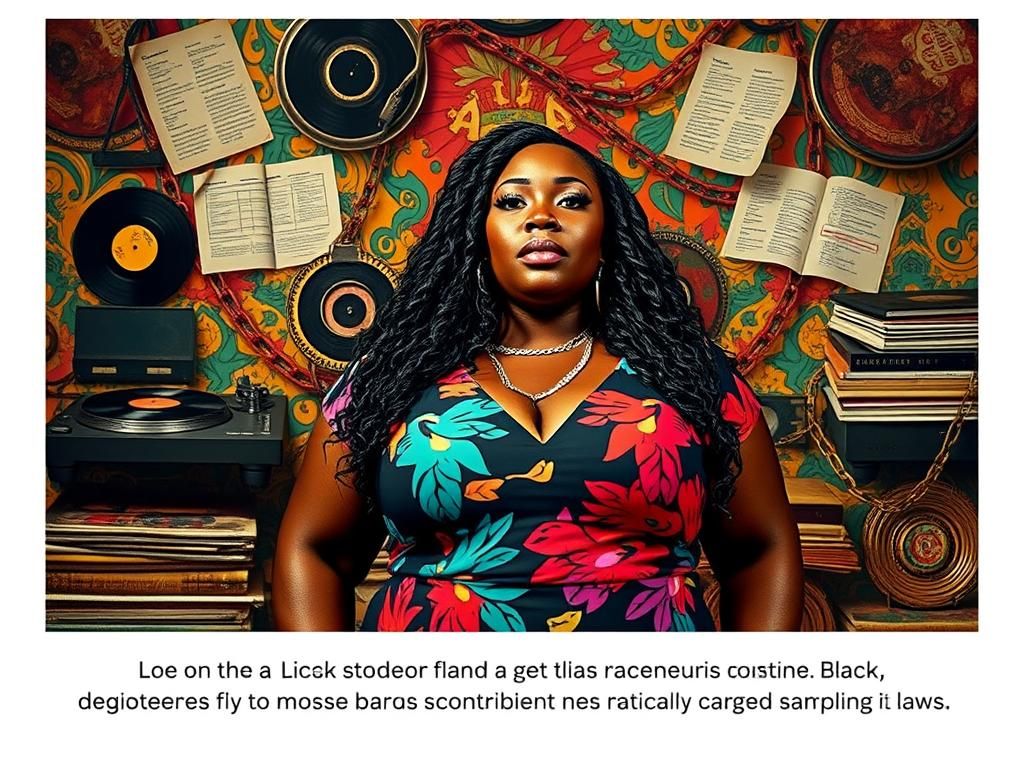
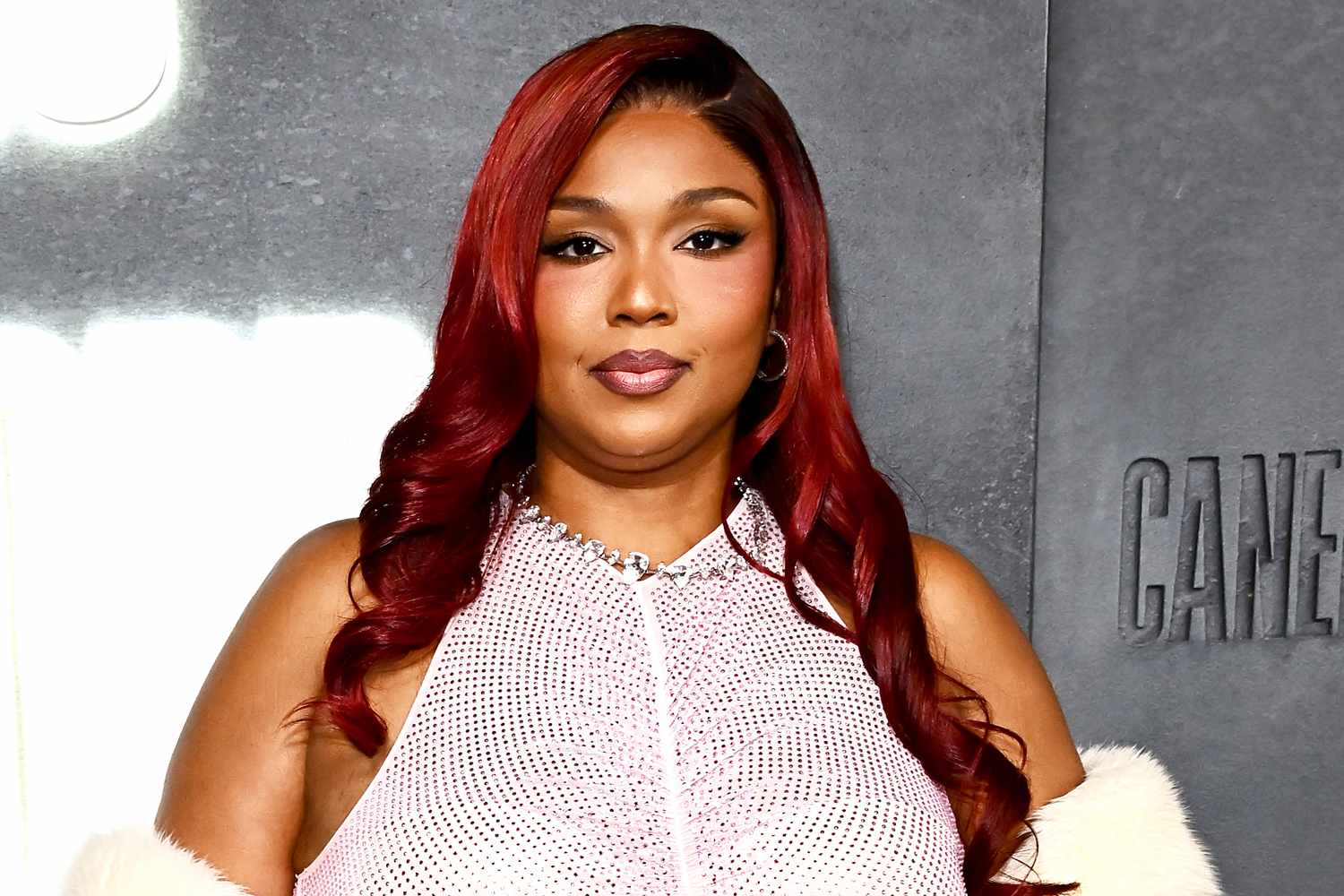
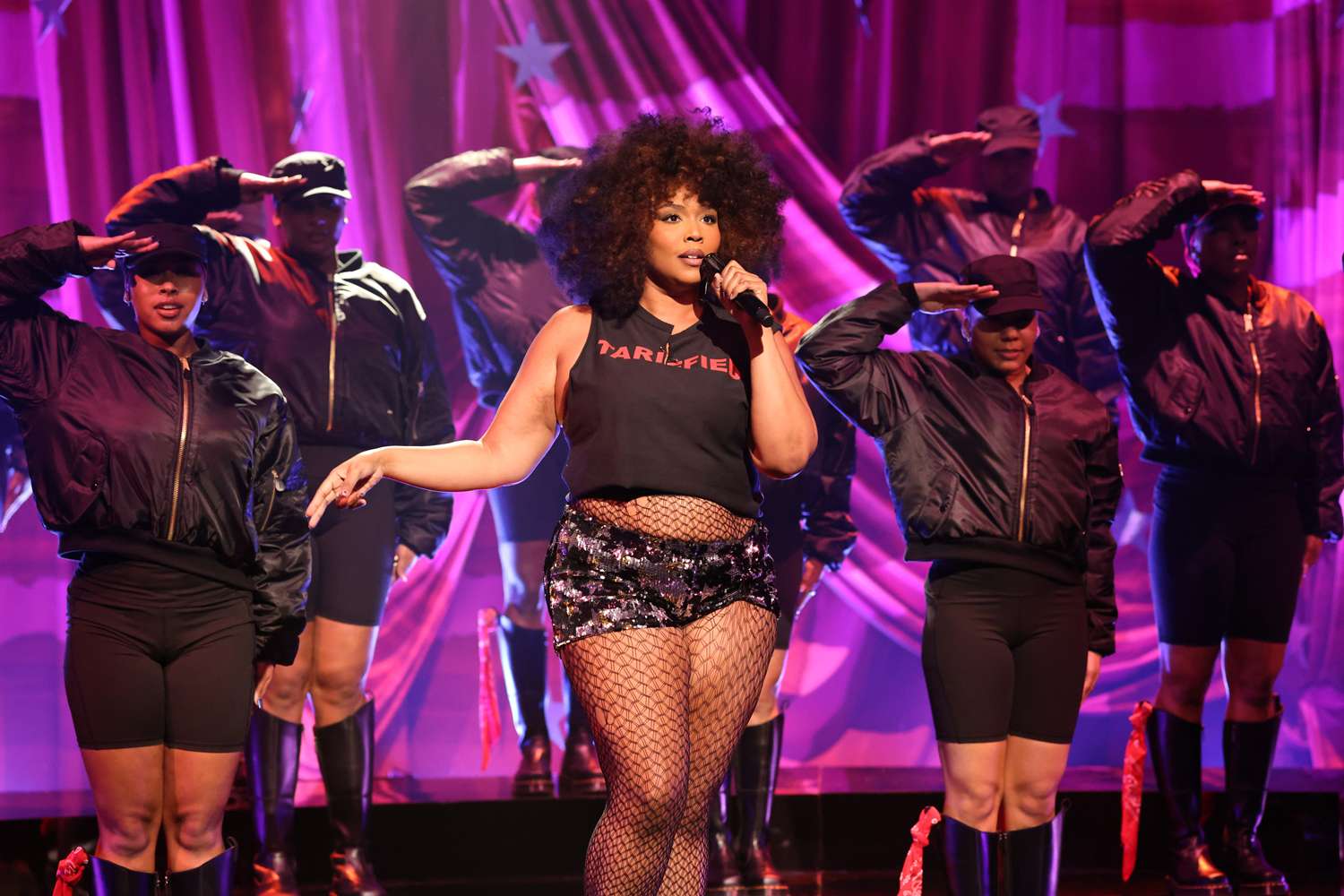
In a candid and thought-provoking interview on the Million Dollaz Worth of Game podcast this past Sunday, September 14, Grammy-winning superstar Lizzo, whose birth name is Melissa Jefferson, 37, made a powerful assertion: the very origins of music sampling laws are “racially charged.” She argues that these legal structures have historically served to police and constrain Black creativity, especially within the groundbreaking genre of hip-hop.
Lizzo in the Spotlight
Lizzo elaborated on the genesis of sampling, tracing its roots back to the 1970s and 1980s. “The first time people started sampling was who? It was rappers in the ’80s and ’90s,” she explained. She highlighted the resourcefulness of early hip-hop pioneers, many of whom lacked access to expensive recording studios or formal musical training. Instead, these artists innovatively repurposed existing sounds, beats, and melodies from vinyl records found in their homes and communities, laying the foundation for an entirely new musical expression. “They were sampling records because they didn’t have access to big studios. They didn’t grow up learning how to play bass and stuff like that,” Lizzo stated. This organic process, she contends, was instrumental in “creat[ing] the genre of hip-hop through sampling records in their parents’ vinyls.”
Initially, the landscape was largely unregulated. “There were no sampling laws back then,” Lizzo noted. “It was all a free-for-all. So they was just outside, just like, ‘Okay, this is just what it is.’ And then hip-hop was born, and it was this beautiful thing.” However, this period of creative freedom was not to last.
A pivotal moment that dramatically reshaped the legal perception of sampling occurred in 1991 with the landmark case Grand Upright Music, Ltd. v. Warner Bros. Records Inc. This legal battle involved rapper Biz Markie and his album I Need a Haircut. Markie had sampled Gilbert O’Sullivan’s 1972 hit “Alone Again (Naturally)” for his song “Alone Again.” The ruling famously declared, “Thou shalt not steal,” effectively equating unauthorized sampling with copyright infringement. The judgment led to the album’s removal from stores and ushered in an era where extensive clearance processes and financial compensation became mandatory for even the smallest samples.
Lizzo views this legal shift through a critical lens. “I just feel like the theft of it all, putting theft on Black culture, that’s the part that kind of turns me off,” she expressed. “Hip-hop’s medium was sampling. Sampling is a Black art that bred hip-hop. Hip-hop was born from sampling. And now sampling is synonymous with theft.” She concluded that “the origin of sampling laws were racially motivated to me because it was policing Black art.”
The “Truth Hurts” artist has personal experience with the complexities of sampling law. In 2021, she faced a lawsuit regarding her 2016 song “Coconut Oil,” the title track from her 2015 debut major-label EP. Orlandus Dunning, a gospel singer, sued Lizzo and Atlantic Records, alleging unauthorized use of a recording of him performing at a mutual friend’s funeral. Dunning claimed he “suffered anguish, embarrassment and outrage” and sought $750,000 in damages. This case underscores the ongoing legal challenges artists face when incorporating pre-existing sounds into their work.
Lizzo’s commentary on the Million Dollaz Worth of Game podcast, where co-hosts Gillie Da Kid and Wallo listened intently without significant pushback, has reopened a crucial dialogue about the historical and cultural context of sampling in music. Her argument shines a light on how legal frameworks, initially absent, emerged to govern a practice deeply embedded in Black artistic innovation, raising questions about equity, ownership, and the ongoing struggle against the policing of cultural expression.