

The Evolution of Mickey Mouse: From Unsettling Beginnings to Beloved Icon
:max_bytes(150000):strip_icc():focal(749x0:751x2)/Mickey-Minnie-Mouse-Macys-Thanksgiving-Day-Parade-tout-101724-4de821c3a10d4d0fb069ecd524092349.jpg)
A viral social media post unearths early, somewhat unsettling, depictions of the beloved cartoon character, sparking widespread amusement and surprise among fans.
In an era where Disney characters are synonymous with meticulously crafted, huggable costumes and immersive experiences, a recent viral sensation on social media platform X has transported fans back in time, revealing the surprisingly rudimentary – and to some, “terrifying” – appearances of Mickey Mouse from the mid-20th century. The unexpected glimpse into Disney’s past has ignited a wave of reactions, highlighting just how far character design and guest interaction have evolved since the early days of Disneyland.
The stir began when an X user, Alea, self-described as the “unofficial Disneyland fan club president,” shared a captivating photograph from nearly seven decades ago. The image featured a person donned in a Mickey Mouse costume, characterized by an oversized, somewhat bulbous Mickey head, strikingly paired with a much thinner, less voluminous lower body costume. Alea’s caption, “Thinking about character dining in the late 50s,” playfully imagined the experience, though it’s important to note that formal character dining, where costumed characters interact with guests at their tables, only became a widespread offering at Disney parks in the 1970s.
A Look at the 1950s “Press Picnic” Mickey
The viral photograph was reportedly captured at a press picnic for Disneyland’s Nature’s Wonderland attraction. Opened in 1960, just five years after Disneyland itself debuted in July 1955, Nature’s Wonderland was a beloved Frontierland boat ride that offered guests a scenic journey through animatronic wildlife and desert landscapes. The photo, likely taken around the attraction’s debut, showcases an early attempt at bringing Mickey to life within the park, predating the sophisticated character integration Disney fans know today. Social media users were quick to react, with comments ranging from observations like “proportions [are] just a tad off” to more direct assessments labeling the costume “terrifying” and humorously suggesting, “Mickey went on a diet.”
Diving Deeper into Disney’s Earliest Iterations
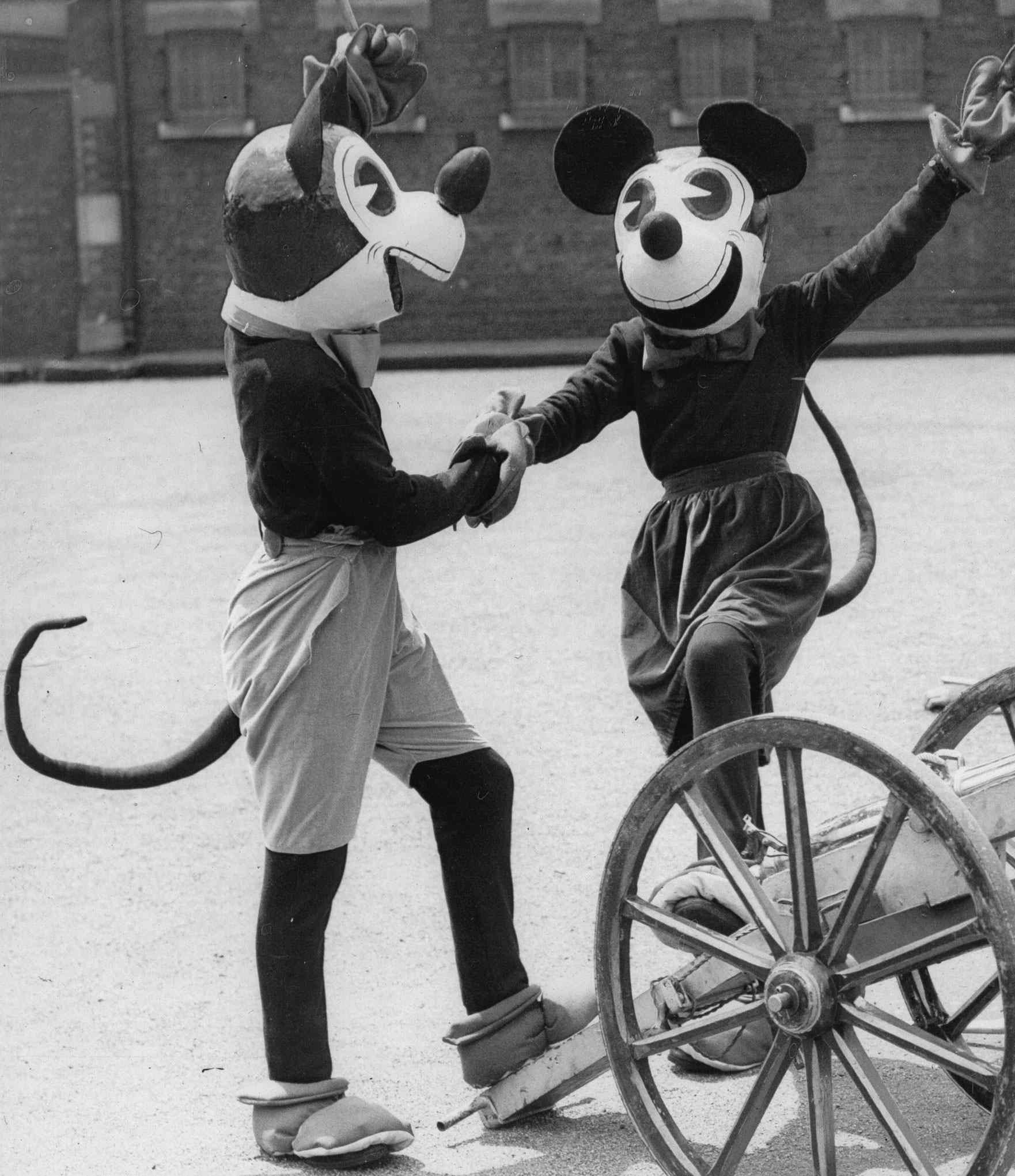
Following the initial virality, Alea further fueled the discussion by sharing even older examples of Mickey and Minnie Mouse costumes from the 1930s. These images depicted an even more primitive approach to character portrayal, leading one X user to remark, “This would’ve been… an experience for sure lol.” The stark contrast between these early designs and contemporary costumes underscored the significant advancements in mascot technology and character presentation over the decades.
:max_bytes(150000):strip_icc():focal(880x0:882x2)/Mickey-Minnie-Mouse-082225-d930a51945334e25a70678a083f87995.jpg)
The Evolution of an Icon: From Simple Mask to Global Phenomenon
Mickey Mouse, who first enchanted audiences in 1928’s Steamboat Willie, has undergone a remarkable transformation in his nearly 100-year history, and his physical portrayal through costumes is no exception. According to WDW Magazine, the character’s earliest costume designs were notably simplistic, typically consisting of a mask, a black leotard, shorts, and gloves. These early iterations, while charming for their time, lacked the refined anthropomorphic qualities seen today.
Over the decades, Disney Imagineers and costume designers have continuously refined Mickey’s on-screen and in-park presence. Key evolutionary steps included the introduction of a more rounded, less cartoonish head, a significant design change that made the character more approachable and appealing. Later innovations further enhanced realism and expressiveness, with costumes evolving to incorporate mechanisms allowing for blinking eyes and even mouth movements, adding a new layer of charm and believability to the character experience. Alongside these structural changes, Mickey gradually adopted his now-iconic attire: the vibrant red shorts, oversized yellow shoes, and crisp white gloves, sometimes complemented by a dapper jacket for special occasions.
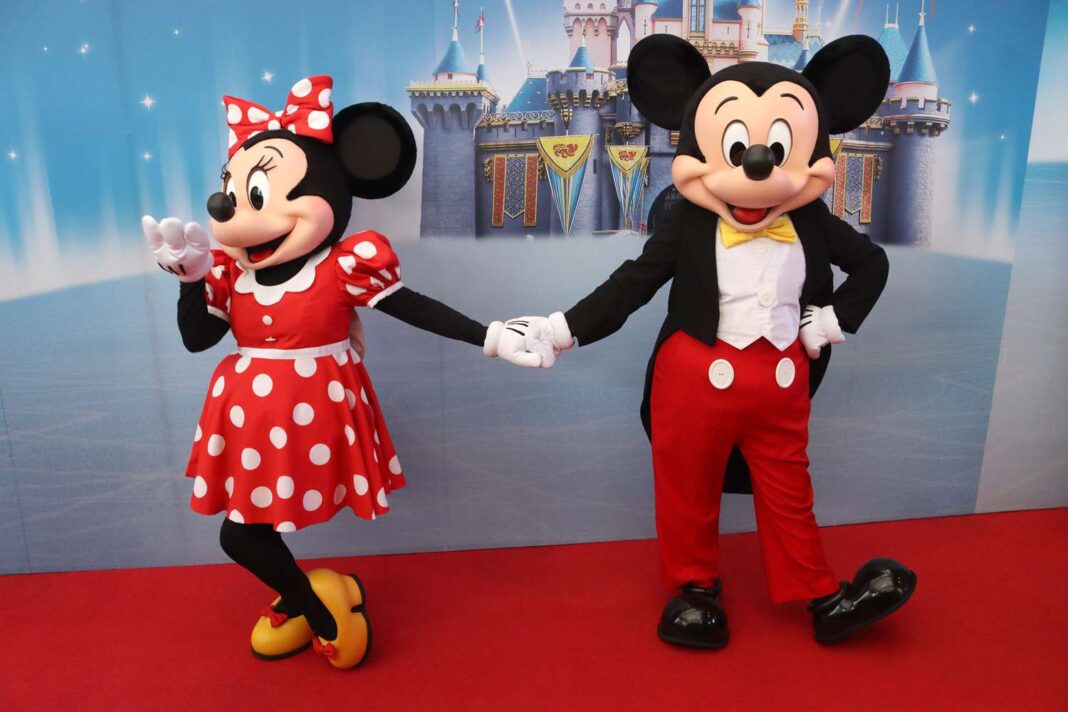
Today’s Disney parks boast highly sophisticated character costumes, designed not only for visual appeal but also for performer comfort and safety, reflecting decades of innovation and a deep understanding of guest experience. The journey from the “terrifying” early Mickeys to the polished, beloved figures of today underscores Disney’s enduring commitment to magical storytelling and character integrity, continuously adapting to delight generations of fans worldwide.