

WK Kellogg Co. to Phase Out All Artificial Dyes by 2027
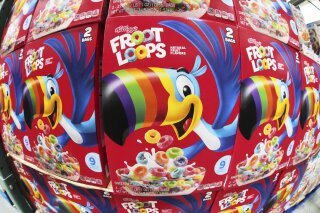
NEW YORK – WK Kellogg Co., the prominent cereal manufacturer behind iconic brands such as Froot Loops and Apple Jacks, has officially committed to phasing out all artificial dyes from its breakfast cereals by the end of 2027. This significant move, confirmed by both the company and the office of Texas Attorney General Ken Paxton, comes amidst escalating pressure from consumers and U.S. health authorities pushing food producers to eliminate synthetic colorings from their products.
Texas Attorney General’s Investigation Triggers Agreement
The announcement follows an intensive investigation launched earlier this year by Texas Attorney General Ken Paxton, scrutinizing whether Kellogg’s continued use of specific artificial dyes – including blue, red, yellow, green, and orange – violated state consumer protection laws. On Wednesday, Paxton revealed that Kellogg had signed a “legally binding” assurance of voluntary compliance with his office. “Following months of investigating and negotiating, I’m proud to officially say Kellogg’s will stop putting these unhealthy ingredients in its cereals,” Paxton stated, emphasizing the agreement’s permanent impact.
Kellogg’s Broader Commitment to Cleaner Products
While Kellogg Co. did not directly comment on the terms of the agreement, it reiterated its broader commitment to health and wellness, acknowledging the collaborative effort with the Texas AG’s office. The Michigan-based company had previously indicated plans to cease launching new products with FD&C dyes by January 2025. Furthermore, Kellogg confirmed its intention to reformulate cereals served in schools to be free of FD&C colors by the 2026-27 school year, with a complete removal of these dyes from all remaining products by the close of 2027. According to the company’s website, a substantial 85% of its current cereal offerings already do not contain FD&C colors.
Industry-Wide Shift and Health Concerns
Kellogg’s pledge aligns with a broader industry trend where major food manufacturers are responding to public and governmental calls for cleaner labels. General Mills, another leading U.S. cereal producer, had also previously committed to similar changes, later joined by companies like Kraft Heinz, Nestle, and Smuckers in setting target dates for the elimination of artificial dyes. Health advocates have long voiced concerns over synthetic additives, particularly citing mixed scientific studies suggesting potential links between these petroleum-based colorings and neurobehavioral issues, including hyperactivity and attention problems, in some children.
Although the U.S. Food and Drug Administration (FDA) maintains that its currently approved dyes are safe and that “the totality of scientific evidence shows that most children have no adverse effects when consuming foods containing color additives,” the regulatory landscape is shifting. Notably, the FDA banned Red No. 3 from food in January, a dye that Kellogg had already removed from its products years prior.
Growing Consumer Preference and Public Discourse
The increased scrutiny on artificial food colorings has intensified, especially since figures like Robert F. Kennedy Jr., a vocal critic of such synthetic additives, have gained prominence, influencing the public discourse around food safety and regulation. This broader societal push underscores a growing consumer preference for more natural ingredients and a heightened awareness of food additives.