

Remembering Rick Davies: Supertramp’s Co-Founder and Musical Heart
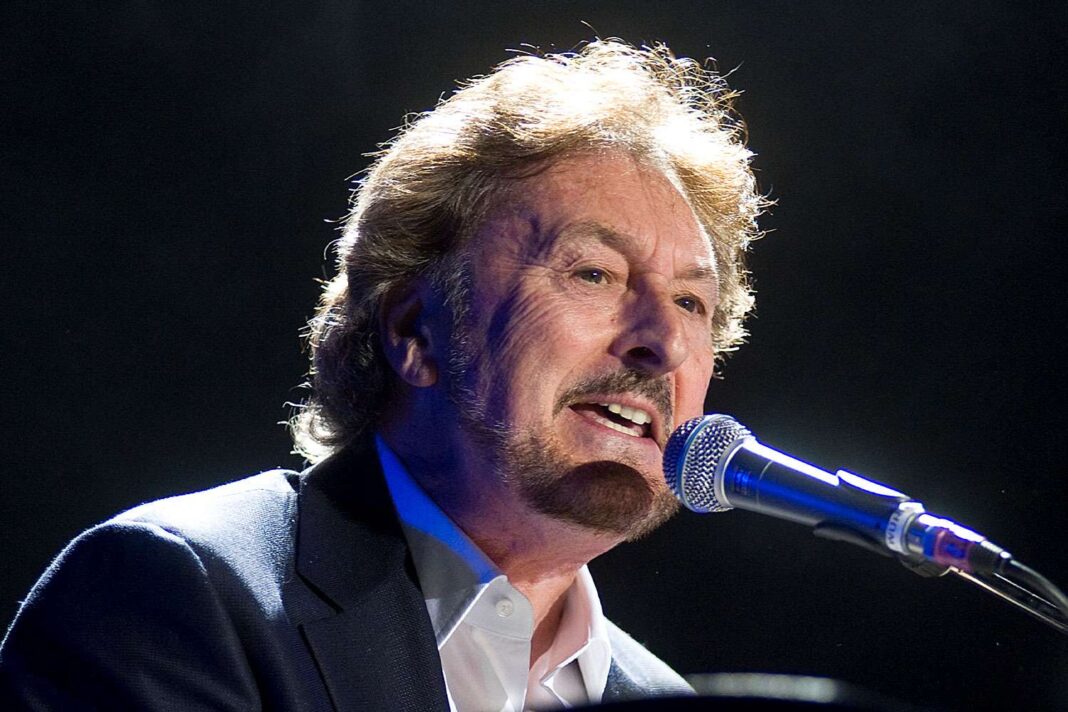
Rick Davies, the esteemed keyboardist, singer, and songwriter who co-founded the legendary British progressive rock band Supertramp, passed away on Saturday, September 6, at the age of 81. The news was confirmed by a statement released on the band’s official social media account on Sunday, September 7, revealing that Davies had been battling multiple myeloma, a form of blood cancer, for over a decade.
The Architect of Supertramp’s Sound
Davies was a pivotal figure in Supertramp’s success, recognized for his soulful vocals and distinctive touch on the Wurlitzer electric piano, which became the very heartbeat of the band’s sound. As the co-writer, often alongside his partner Roger Hodgson, Davies lent his voice and piano to many of Supertramp’s most iconic songs, leaving an indelible mark on rock music history. Among the notable hits he co-wrote and often sang lead on were “Goodbye Stranger,” “Bloody Well Right,” and “The Logical Song.”
From Humble Beginnings to Stardom
Born in Swindon, England, Davies’ musical journey began long before Supertramp. He was a member of a group called The Joint, which disbanded in 1969. It was in this pivotal year that Davies embarked on a new musical venture, backed by the generous patronage of Dutch millionaire Stanley “Sam” Miesegaes. Seeking fellow musicians, Davies placed a now-famous advertisement in the British music publication Melody Maker. This ad drew the attention of singer, guitarist, and songwriter Roger Hodgson, a serendipitous meeting that led to the formation of Supertramp.
The Breakthrough and Peak Success
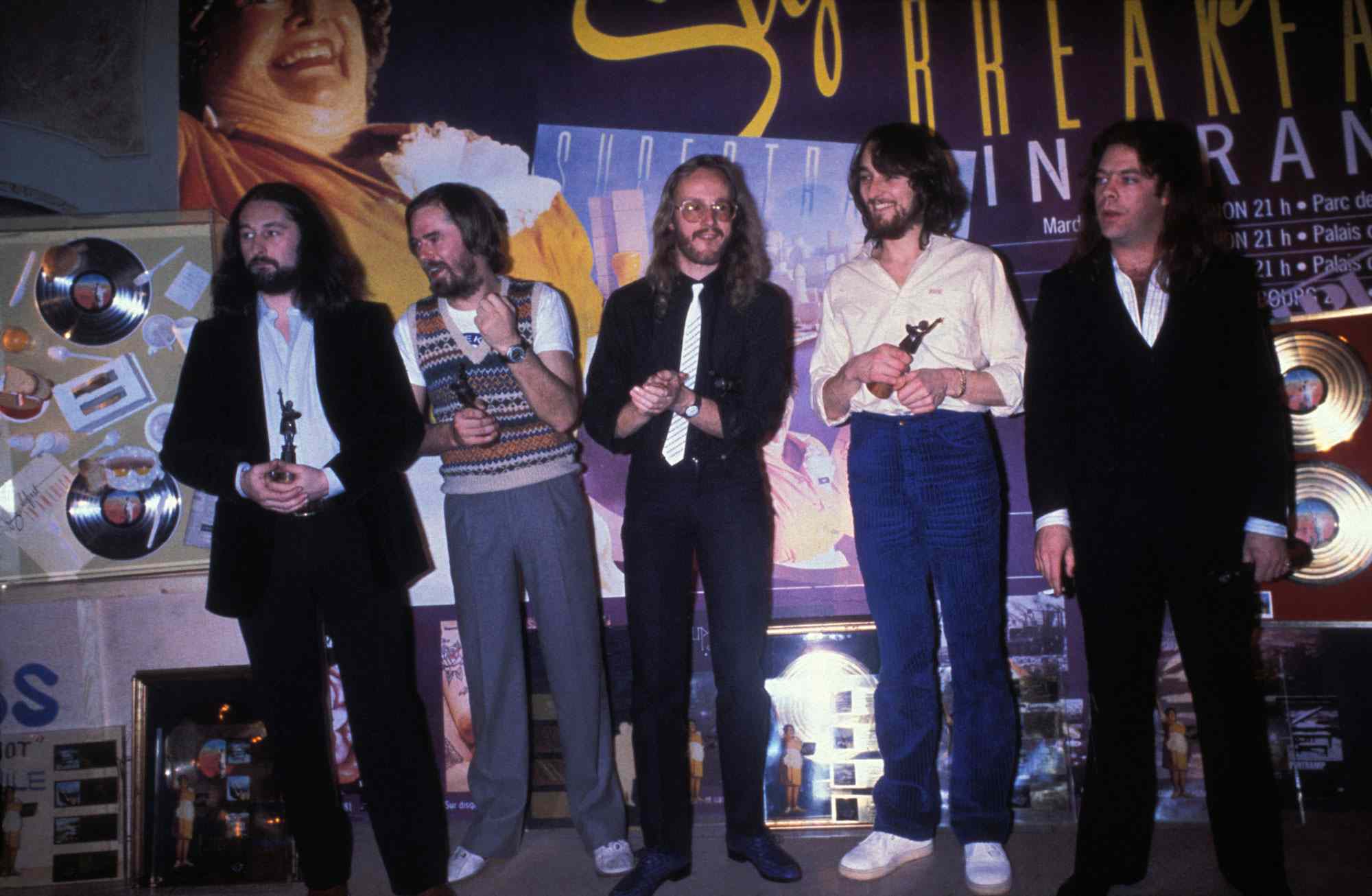
The band’s initial releases, their self-titled debut Supertramp in 1970 and Indelibly Stamped in 1971, did not achieve widespread commercial success. However, their fortunes dramatically shifted with their third album, 1974’s Crime of the Century. This record proved to be Supertramp’s breakthrough, featuring the classic lineup of Davies, Hodgson, drummer Bob Siebenberg, bassist Dougie Thomson, and saxophonist John Helliwell. It spawned enduring tracks such as “Bloody Well Right,” “Rudy,” “Dreamer,” the title song, and “Hide in Your Shell,” solidifying their unique progressive rock sound.
Supertramp’s career continued its upward trajectory with subsequent albums like 1975’s Crisis? What Crisis? and 1977’s Even in the Quietest Moments. The pinnacle of their commercial success arrived in 1979 with Breakfast in America. This hugely popular album soared to number one on the Billboard album chart, becoming a global phenomenon. It produced a string of massive hits, including “The Logical Song,” “Goodbye Stranger,” the title track, and “Take the Long Way Home.” The album’s critical acclaim was equally significant, earning two Grammy Award nominations, notably for Album of the Year.
A Partnership’s End and New Beginnings
While the band’s foundation was built on the powerful songwriting collaboration between Davies and Hodgson – with Hodgson often taking lead vocals on many of the band’s biggest hits – their partnership began to fray by the early 1980s. The philosophical differences between the two musicians became increasingly apparent, with Hodgson gravitating towards a spiritual life in the Northern California mountains, while Davies remained rooted in the urban grit of Los Angeles. This divergence ultimately led to the release of 1982’s …Famous Last Words…, which featured the hit “It’s Raining Again,” before Hodgson officially departed Supertramp in 1983.
Carrying the Torch and Lasting Legacy
Undeterred by Hodgson’s exit, Davies, alongside the remaining members, continued Supertramp’s musical journey. He assumed sole lead vocal and songwriting duties for albums such as 1985’s Brother Where You Bound and 1987’s Free as a Bird. Following a tour in 1988, the band entered an eight-year hiatus. Davies reassembled a new Supertramp lineup in 1996, which, notably, did not include Hodgson. This revived iteration of the band went on to release two more studio albums: Some Things Never Change in 1997 and Slow Motion in 2002.
Davies’ enduring commitment to music was tragically interrupted when a planned 2015 tour was canceled after his diagnosis with multiple myeloma. Despite this serious health challenge, which prevented him from touring with Supertramp, Davies found joy in performing locally with his hometown friends as “Ricky and the Rockets.” Beyond his monumental musical contributions, Davies was known for his warmth, resilience, and unwavering devotion to his wife, Sue, with whom he shared a loving partnership for over five decades.
The statement from Supertramp beautifully encapsulated his enduring impact: “Rick’s music and legacy continue to inspire many and bears testament to the fact that great songs never die, they live on.” His distinctive voice, which fronted classics like “Bloody Well Right,” “From Now On,” and “Goodbye Stranger,” will forever resonate with fans, a testament to a life dedicated to crafting timeless rock anthems.