Paul McCartney Soars with Wings: Unveiling the Post-Beatles Journey in a New Oral History

Paul McCartney Reflects on the Genesis and Triumph of Wings
At 83, legendary musician Paul McCartney is offering a fresh, in-depth look into a pivotal chapter of his illustrious career: the formation and evolution of Wings, his highly successful post-Beatles band. Marking the November release of his extensive oral history, Wings: The Story of a Band on the Run, McCartney recently joined A Martínez on NPR’s Book of the Day podcast on December 19, candidly discussing the initial, tumultuous steps of his post-Fab Four musical venture.
The dissolution of The Beatles in 1970, a seismic event in music history, left McCartney in a profound state of flux. “The breakup still remained a ‘shock’ to me at the time,” he confessed on the podcast, reflecting on the shifting internal dynamics that ultimately led to the iconic group’s end. Yet, amidst the disillusionment, a yearning for creative freedom emerged. “I was trying to encourage us to go back and start from square one,” he remarked, “But in actual fact, I did that with Wings.” This sentiment underscored his determination to forge a new path, untethered from the immense legacy of his previous band.
Out of this desire for a fresh start, Wings took flight in 1971. The core trio comprised McCartney, his wife Linda Eastman McCartney, and former Moody Blues guitarist Denny Laine. Linda’s involvement was a testament to McCartney’s openness to unconventional beginnings. “It really was like a rebirth,” McCartney shared, recalling his initial observations of Linda’s raw, untrained talent. “We would sing around the house, and I always remember thinking, ‘Wow, she’s really got something. But she’s completely inexperienced.'” Her enthusiasm was palpable: “She could tell I wanted to put a band together. I said, ‘Do you wanna be in it?’ She sorta said, ‘Uh, yeah.’” This unassuming start would lead to a decade-long journey marked by a rotating lineup but consistent musical output.

One of Wings’ most significant challenges was establishing its own identity, free from the colossal shadow of The Beatles. Initially, McCartney made a deliberate choice to eschew playing Beatles classics during Wings’ early performances. “At the time, I thought I’m trying to make a new band here. I’m trying to do this new thing, and promoters would say, ‘Would you just please just do ‘Yesterday’?’ We said, ‘No. We’re not doing it,’” he recounted. This steadfast refusal was crucial in building a distinct Wings repertoire. It wasn’t until the monumental success of their 1973 album, Band on the Run, which produced hits like the title track and “Jet,” that Wings truly found its independent footing. “After we released our 1973 album Band on the Run, we had songs that the audience would recognize that were our songs,” McCartney explained. With a solid foundation of their own material, he then felt comfortable “interspersing” Beatles songs into their sets, but only after Wings had unequivocally carved out its own space in the music landscape.
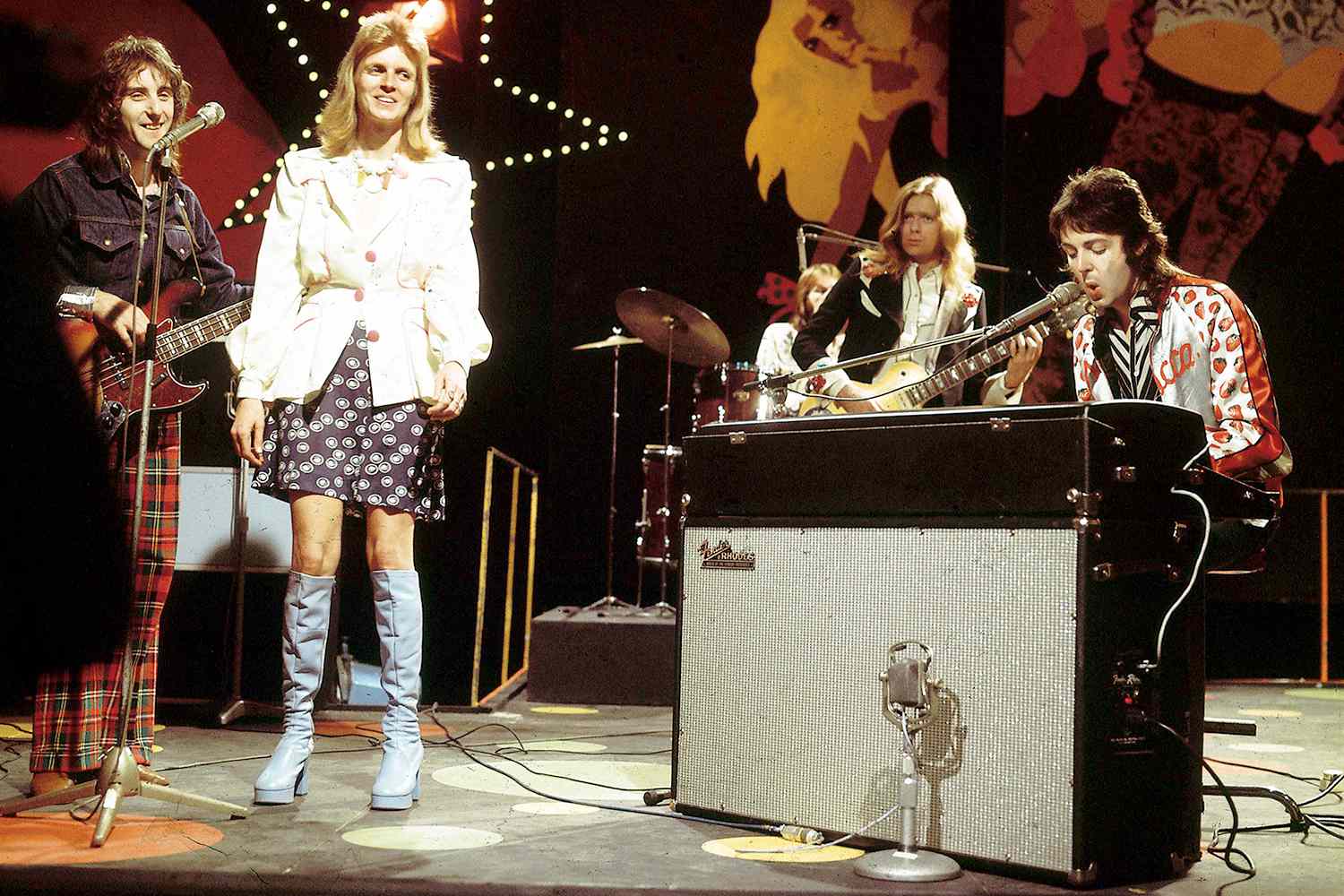
Wings ultimately proved to be a global phenomenon, selling over 20 million records worldwide during its ten-year run from 1971 to 1981. Their discography boasts numerous beloved hits that defined the 1970s, including the iconic James Bond theme “Live and Let Die” (1973), the catchy “Silly Love Songs” (1976), and the Grammy-winning Band on the Run. The band’s journey, from modest beginnings to stadium-filling tours, underscored McCartney’s remarkable ability to reinvent himself and continue producing groundbreaking music after the most successful band in history.
Wings: The Story of a Band on the Run, released on November 4, serves as the definitive chronicle of this period. The oral history draws from hundreds of hours of interviews, featuring not only McCartney and various Wings members but also key figures within their orbit, such as renowned Beatles producer George Martin and Sean Ono Lennon. “I’m so very happy to be transported back to the time that was Wings and relive some of our madcap adventures through this book,” McCartney stated, acknowledging the initial difficulties but ultimate satisfaction. “Starting from scratch after The Beatles felt crazy at times. There were some very difficult moments, and I often questioned my decision. But as we got better, I thought, ‘OK this is really good.’” The book offers an unprecedented glimpse into the struggles, triumphs, and the sheer joy of a band finding its voice and soaring to new heights.