


Patagonia vs. Pattie Gonia: A Legal Battle Over Brand and Advocacy
DENVER – Days before Pride Month, a digital firestorm erupted as renowned outdoor apparel company Patagonia filed a lawsuit against popular drag queen and climate activist Pattie Gonia, born Wyn Wiley. The unexpected legal battle, centered on trademark infringement and a nominal $1 claim, has ignited a complex debate over intellectual property rights versus environmental advocacy, prompting swift public backlash and costing an estimated $1 million in legal fees.
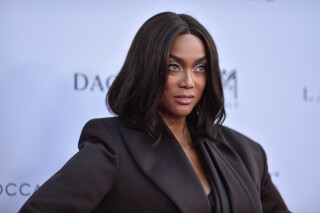
Pattie Gonia: A Force for Climate and Queer Advocacy
Pattie Gonia, based in Bend, Oregon, has cultivated a significant online presence, boasting nearly 3 million followers across TikTok and Instagram. Since going viral in 2018 for a video of her camping in high heels, she has become a celebrated figure for her unique blend of glamorous drag and urgent climate activism. Wiley uses her platform to produce short, educational videos about climate change, spearhead the “Save Her! Environmental Drag Show” tours, and mobilize a vast network of activists, raising substantial funds for environmental organizations. In September 2025, Pattie Gonia moved to formally trademark her stage name to expand into apparel and other merchandise, a move that set the stage for the current legal confrontation.
Patagonia’s Stance: Protecting a Prized Brand
Patagonia, a company long lauded for its commitment to sustainability and environmental causes, initiated legal action to protect its brand identity. The company asserts that Pattie Gonia’s use of a similar-sounding name for apparel creates a likelihood of consumer confusion, a key metric in trademark law. “There doesn’t have to be actual consumer confusion to win a trademark infringement suit. If consumers are likely to be confused, that is sufficient,” explains Tim Holbrook, an intellectual property professor at the University of Denver.
The lawsuit, filed on January 21, 2026, includes screenshots of alleged consumer confusion and focuses on Pattie Gonia’s plans to sell merchandise that Patagonia believes infringes on its established trademark. This wasn’t the first interaction between the two entities. In 2022, after a fundraising collaboration between Pattie Gonia and Hydroflask (an outdoor accessory brand), Patagonia reached out to express concerns, asking the performer to refrain from using their logo, font, or the name “Pattie Gonia” on products. Three years later, when Pattie Gonia began selling apparel under her name, Patagonia re-engaged, leading to the lawsuit after discussions failed to resolve “different understandings.”
A Common Legal Landscape: Defending Trademarks
Trademark experts highlight that Patagonia’s legal action is a standard, albeit often costly, measure for companies safeguarding their intellectual property. “I get rejections for trademarks for my clients that are way less similar than these brand names,” notes Carmel Imani, a trademark lawyer who represents small creators and brands. Historically, major brands like McDonald’s, which sued a dental practice named “McDental,” and Starbucks, which took action against “Sambucks,” have aggressively defended their names. Patagonia itself has previously challenged “brand copycats” like “Catagonia” and “Fratagonia,” as detailed in their complaint.
Lara Pearson, a trademark attorney with Brand Geek, emphasizes that such lawsuits are less about a specific dispute and more about setting a precedent. “Are we setting a precedent that we’re not going to be able to walk back from later?” she questions, underscoring the long-term implications for brand protection. Even names derived from geographic regions, like Patagonia (named after the diverse South American region by founder Yvon Chouinard in 1973), are protectable under trademark law, as affirmed by Josh Gerben, another trademark attorney.
Public Backlash and Evolving Narratives
Pattie Gonia’s public announcement of the lawsuit on May 27, 2026, just ahead of Pride Month, sparked immediate outrage across social media. Many criticized Patagonia, perceived as an environmentally conscious brand, for seemingly targeting a prominent queer climate activist. The sentiment was captured by supporter Jim Gregory, who posted a video on TikTok donating his Patagonia hat, declaring, “I think that you just completely wrecked your company, at least from my demographic, the LGBTQ demographic.”
However, as more details emerged, particularly the lawsuit’s filing date preceding Pride Month and the underlying trademark concerns, the narrative became more nuanced. Cleo Schroer, a researcher focusing on queer politics and culture, initially sided with Pattie Gonia but shifted her perspective after reviewing the complaint. She concluded that the accusation of Patagonia trying to “silence a drag queen or a queer activist… it just felt inaccurate.”
Striving for Resolution
Despite the public drama, both parties have indicated a willingness to find common ground. Pattie Gonia publicly offered to withdraw her trademark application if Patagonia dropped the lawsuit. Patagonia, in a statement, acknowledged “any hurt (the lawsuit) has caused, especially in the LBGTQ+ community,” but maintained that the suit could only be dropped if Pattie Gonia ceased using their logo, font, and her name for commercial apparel and products.
Pattie Gonia has agreed to stop using Patagonia’s logo and font but remains firm on utilizing her name for merchandise. Notably, her merchandising website recently transitioned from www.pattiegoniamerch.com to www.pattiemerch.com, a subtle but significant change she has not publicly addressed. Corley Kenna, Patagonia’s chief impact and communications officer, reiterated, “We are very open and want to find a resolution.” Legal experts, including Josh Gerben, concur that an out-of-court settlement is the most favorable outcome, offering “certainty to both parties” and avoiding the unpredictability of a jury trial.
The ongoing dispute highlights the complex interplay between brand protection, free expression, and social activism in the digital age, leaving many to wonder if a mutually agreeable resolution can be achieved between the outdoor giant and the environmental drag icon.