



Dolly Parton’s “Jolene”: A Timeless Classic Turns 52
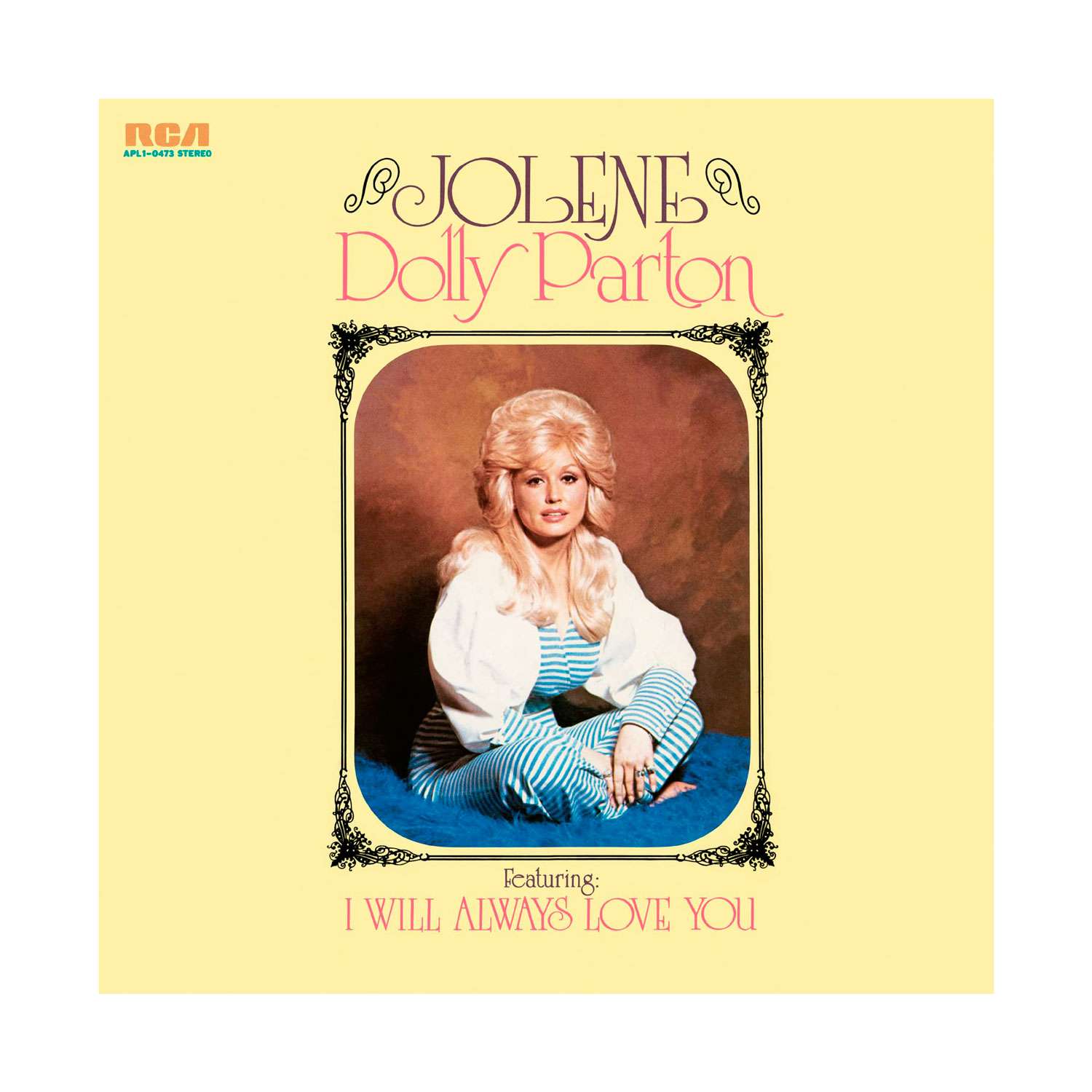
Dolly Parton, the undisputed queen of country music, recently marked a significant milestone: the 52nd anniversary of her timeless hit, “Jolene.” On Wednesday, October 15, the 79-year-old icon took to Instagram, sharing a cherished throwback video of herself performing the legendary track, captioned simply, “52 years of ‘Jolene!’ 💖 🎶.” Released in 1973, “Jolene” has transcended its origins to become a global phenomenon, a poignant narrative of love, jealousy, and a woman’s desperate plea that continues to resonate with millions.
The Real-Life Inspiration Behind “Jolene”
The inspiration behind the song’s evocative lyrics stems from a truly human experience in Parton’s life. “Jolene” is famously rooted in a real-life encounter involving a captivating redhead who caught the attention of Parton’s husband, Carl Dean, at a local bank shortly after their marriage. Parton vividly recalled this period, stating at the 2014 Glastonbury Festival, “I wrote that years ago when my husband… was spending a little more time with Jolene than I thought he should be.” She further elaborated in a 2008 NPR interview, noting, “She got this terrible crush on my husband… And he just loved going to the bank because she paid him so much attention.” Parton humorously characterized their dynamic, saying, “It was kinda like a running joke between us — when I was saying, ‘Hell, you’re spending a lot of time at the bank. I don’t believe we’ve got that kind of money.’ Despite the seemingly “dreadful” undertones of the song’s narrative, Parton always maintained it was “really an innocent song all around.” The song’s lyrics paint a vivid picture of the eponymous woman, describing her beauty as “beyond compare, with flaming locks of auburn hair,” as Parton’s persona pleads with her not to “take” her man, fearing she “could never love again.”
The Name “Jolene”: A Serendipitous Encounter
While the muse for the song’s narrative was a bank teller, the distinctive name “Jolene” itself sprung from a different, more heartwarming encounter. Parton recounted to NPR a chance meeting with a young fan at one of her concerts. “One night, I was on stage, and there was this beautiful little girl — she was probably 8 years old at the time,” Parton shared. “And she had this beautiful red hair, this beautiful skin, these beautiful green eyes, and she was looking up at me, holding, you know, for an autograph.” Upon asking the girl’s name, the child replied, “Jolene.” Parton instantly recognized the melodic quality of the name, repeating it, “Jolene. Jolene. Jolene. Jolene. I said, ‘That is pretty. That sounds like a song. I’m going to write a song about that.'” This serendipitous moment provided the perfect title for a story already taking shape in her mind.
A Legacy of Acclaim and Influence
Released as the first single and title track of her 1973 album Jolene, the song quickly cemented its place as a signature piece in Parton’s extensive discography and a cornerstone of country music. Its raw emotional honesty and universal themes of vulnerability and desire have ensured its longevity. The song’s critical acclaim is undeniable: Rolling Stone ranked “Jolene” at No. 63 on its authoritative 2024 list of the 500 Greatest Songs of All Time. Beyond critical accolades, its impact is further recognized by its induction into the Grammy Hall of Fame. It also garnered two Grammy nominations for Best Female Country Vocal Performance during its illustrious run.
Over its remarkable 52-year history, “Jolene” has been covered in various languages by more than 30 diverse artists, testament to its universal appeal. Notable renditions include those by The White Stripes, Olivia Newton-John, Parton’s goddaughter Miley Cyrus, and Italian rock band Måneskin. Most recently, the song experienced a renewed surge in popularity with Beyoncé’s highly anticipated 2024 album, Cowboy Carter. Beyoncé put her own spin on the country classic, and Parton herself contributed to the project, providing an interlude titled “Dolly P.” The continued interpretations across genres and generations underscore “Jolene’s” status not just as a country hit, but as a pivotal piece of global musical heritage.