

Nobel Laureate Philippe Aghion: A Legacy of Innovation Rooted in Fashion
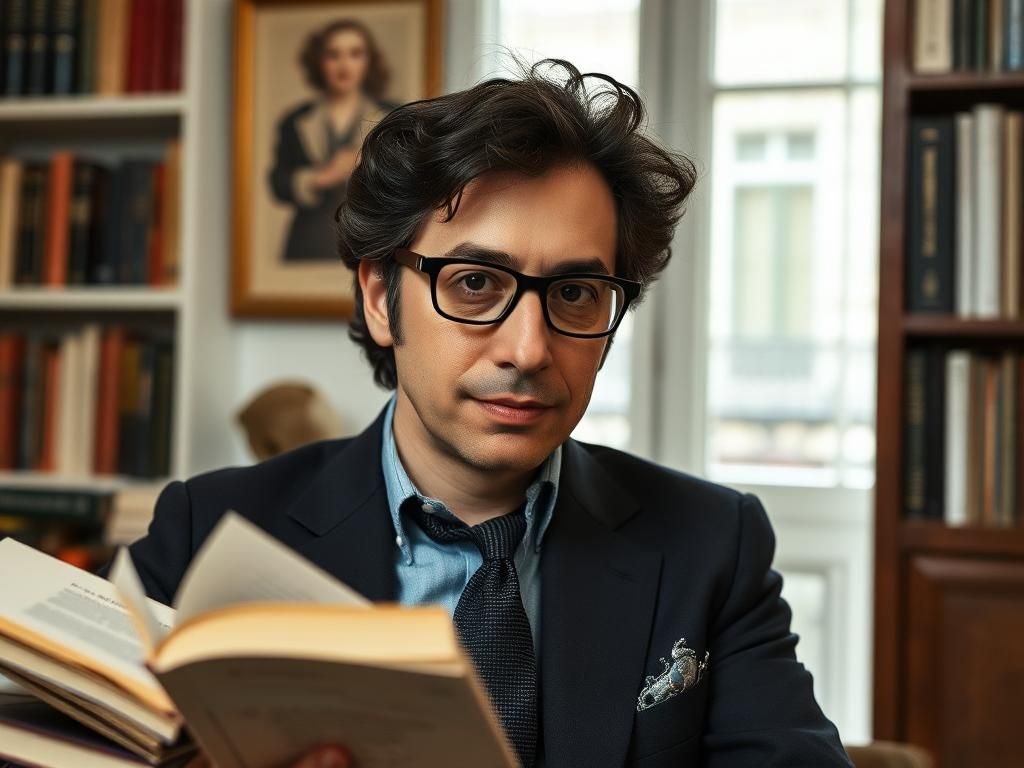
PARIS – Philippe Aghion, the 69-year-old French economist recently honored with the Nobel memorial prize in economics, revealed Monday that his award-winning theories on innovation and growth are deeply rooted in a childhood surrounded by groundbreaking creativity. Speaking from his Latin Quarter apartment in Paris, Aghion paid heartfelt homage to his mother, Gaby Aghion, the visionary founder of the iconic fashion house Chloé, whose pioneering spirit directly influenced his academic pursuits.
Aghion shares this prestigious recognition with Joel Mokyr of Northwestern University and Peter Howitt of Brown University. Their collective research has profoundly redefined understanding of how sustained technological change acts as a primary engine for national prosperity and economic expansion.
Gaby Aghion: Revolutionizing Parisian Fashion
Gaby Aghion, his mother, is widely credited with revolutionizing Parisian fashion by pioneering luxury ready-to-wear in the 1950s. At a time when haute couture dominated, demanding multiple bespoke fittings and elaborate wardrobes, Gaby offered a radical, liberating alternative: elegant, high-quality clothing that was accessible and allowed women unprecedented freedom. “I grew up with innovators,” Aghion reflected in an exclusive interview with The Associated Press. “Before, there was all haute couture, but luxury ready-to-wear didn’t exist. So in fact, with Chloé, she invented that. She had a vision of how women should be free and she should not change clothes four times a day. She had a vision of free, of emancipated women.”
A Childhood Steeped in Avant-Garde Creativity
This environment, steeped in artistic and entrepreneurial daring, provided a unique backdrop for the young Aghion. He vividly recalled a childhood populated by avant-garde artists and designers, including the legendary Karl Lagerfeld, who, surprisingly, “used to do my homework in German.” This anecdote underscores the unconventional and intellectually stimulating atmosphere that shaped his early worldview.
The table in his apartment, laden with books on art and liberty, serves as a tangible link to the enduring inspirations behind his economic philosophy. For Aghion, the freedom his mother championed in fashion—the ability to innovate, to break from rigid tradition, and to empower individuals—mirrors the dynamic process of “creative destruction” at the heart of his economic theories. Just as Chloé disrupted the fashion industry, Aghion’s work explores how new innovations constantly emerge, replacing older technologies and industries, driving long-term economic growth and societal advancement.
His journey from a creatively charged upbringing to becoming a Nobel laureate highlights a powerful interdisciplinary connection: that the roots of innovation, whether in haute couture or complex economic models, often spring from a shared human desire for freedom, progress, and reimagining the possible.