


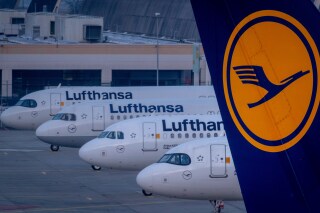
Lufthansa Group to Cut 4,000 Jobs by 2030, Driven by AI and Digitalization
Strategic Workforce Reduction Amidst Profitability Goals
Frankfurt, Germany – The Lufthansa Group, Europe’s largest airline conglomerate, announced on Monday its strategic plan to eliminate approximately 4,000 jobs by the year 2030. The significant workforce reduction will primarily target administrative positions, predominantly within Germany, and will be driven by advancements in artificial intelligence (AI), comprehensive digitalization initiatives, and a deeper integration among its diverse portfolio of member airlines. This bold move comes as the aviation giant anticipates a period of “significantly increased profitability” in the coming years, fueled by a booming demand for air travel.
Streamlining Operations Across a Global Network
The German carrier, which operates leading airlines such as Lufthansa, Austrian Airlines, Swiss International Air Lines, Brussels Airlines, and recently acquired ITA Airways (the successor to Italy’s Alitalia), revealed its long-term strategy to investors and analysts in Munich. The decision to streamline operations reflects a concerted effort to enhance efficiency and eliminate redundancies, particularly in areas where job functions might overlap across its various subsidiaries. The company explicitly stated that “profound changes brought about by digitalization and artificial intelligence” are expected to revolutionize business areas and activities, leading to more optimized workflows and reduced labor needs.
Focus on Administrative Roles, Not Operational Staff
While the prospect of job cuts raises concerns, Lufthansa emphasized that the focus remains on administrative roles rather than the operational staff crucial for flight services. These 4,000 positions represent roughly 4% of the group’s current global workforce of 101,709 employees, as recorded in 2024. The strategic shift aims to automate routine tasks, optimize decision-making processes through data analytics, and consolidate back-office functions that are currently duplicated across the group’s extensive network.
Navigating Resurgent Demand and Supply Chain Bottlenecks
This restructuring unfolds against a backdrop of resurgent global air travel. Lufthansa Group is currently experiencing robust demand for flights, a trend that is simultaneously creating a tight market due to persistent supply chain bottlenecks impacting the delivery of new aircraft and essential engine components. These constraints on flight offerings mean planes are flying fuller, contributing to higher revenue and bolstering the company’s financial outlook.
Historic Fleet Modernization and Future Investments
Looking ahead, Lufthansa Group is not only focused on operational efficiencies but also on a monumental investment in its infrastructure. The company detailed plans for “the largest fleet modernization in the company’s history,” which will see the introduction of more than 230 new aircraft by 2030. This includes a substantial investment in approximately 100 new long-haul aircraft, signaling a commitment to expanding and upgrading its global reach while enhancing passenger experience with more fuel-efficient and modern planes.
Positioned for Growth: A Strong Financial Outlook
With registered headquarters in Cologne and operational offices in Frankfurt, Lufthansa Group generated an impressive revenue of 37.6 billion euros (approximately $44 billion) in 2024. The planned administrative overhaul, coupled with strategic fleet expansion and sustained strong market demand, positions the aviation leader to capitalize on future growth opportunities and solidify its financial standing in the competitive global airline industry.


