


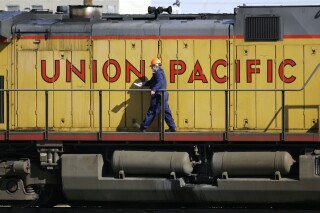
Proposed $85 Billion Railroad Merger Sparks Heated Debate
OMAHA, Neb. – The proposed $85 billion acquisition of Norfolk Southern by Union Pacific, a move that promises to create the United States’ first true transcontinental railroad, has ignited a fierce debate among major rail unions and industry stakeholders. While the nation’s largest rail union has thrown its support behind the deal after securing significant job protections, other powerful labor groups and key chemical manufacturers are voicing strong concerns over potential job losses and reduced market competition.
Key Union Endorsement and Lingering Doubts
On Monday, the SMART-TD union, representing a vast number of conductors and other vital rail workers, officially endorsed Union Pacific’s ambitious merger plan. This pivotal endorsement followed Union Pacific CEO Jim Vena’s written commitment to protect SMART-TD members from layoffs directly resulting from the merger, ensuring their employment throughout their careers. This guarantee aims to allay long-standing fears among railroaders regarding the impact of industry consolidation on their livelihoods.
However, this newfound alignment is not universal. The Brotherhood of Maintenance of Way Employes Division (BMWED), another influential union, remains vehemently opposed. BMWED President Tony Cardwell revealed his union rejected a similar offer from Union Pacific weeks prior, citing the railroad’s unwillingness to protect workers if it opts to lease more of its tracks to smaller “short-line” railroads for final deliveries. Cardwell argues that such a move could force workers to accept significant pay cuts with smaller carriers or relocate across the country to retain their Union Pacific employment, rendering job protection promises hollow. “We’re not going to support it. In fact, we’ll vehemently deny it,” Cardwell stated, indicating his union’s intention to leverage its relationship with the White House to influence the outcome.
Political Influence and Regulatory Hurdles
The political landscape surrounding the merger is equally complex. President Donald Trump initially expressed a favorable view of the deal in the Oval Office, stating it “sounds good” to him. This sentiment could prove critical, as Trump is slated to appoint two more Republican members to the Surface Transportation Board (STB) – the independent federal agency that will ultimately determine the merger’s fate. Just last month, Trump controversially removed one of the board’s two Democratic members, signaling a potential shift in the regulatory body’s composition ahead of this landmark decision. The STB’s review process is expected to be extensive, potentially spanning up to two years, and past rail mergers in the 1990s set a high bar for approval following widespread service disruptions and delays.
Economic Concerns: Competition vs. Efficiency
The proposed merger seeks to combine two of the six largest railroads in the U.S., a move that has sparked alarms within certain industrial sectors. Chris Jahn, president of the American Chemistry Council trade group, voiced strong apprehension, drawing parallels to the tumultuous aftermath of previous major rail consolidations, such as the Union Pacific-Southern Pacific deal and the Conrail acquisition in the 1990s. These mergers notoriously led to extended periods of delivery delays and widespread disruptions, prompting fears of similar service degradation and increased shipping rates. “History has shown that mergers slash service and shift costs onto customers — and the UP–NS merger risks more of the same,” Jahn warned, suggesting it could undermine progress in American manufacturing.
Conversely, over 100 companies have enthusiastically endorsed the merger, envisioning substantial operational benefits. Major shippers of consumer goods and prominent plastic manufacturers anticipate faster, more efficient deliveries by eliminating the cumbersome transfer of freight between railroads in critical hubs like Chicago. This interchange often adds a day or two to transit times. Adam Miller, CEO of Knight-Swift Transportation, a significant logistics provider, hailed the potential for a “coast-to-coast rail network” to create “new efficiencies that will benefit everyone.” Frank Vingerhoets, president of Katoen Natie North America, echoed this optimism, asserting that combining the two networks would enable products like plastic pellets to “reach key markets faster and more seamlessly than ever,” deeming it “a win for shippers and for the entire supply chain.”
As the STB prepares for a rigorous review, Union Pacific CEO Jim Vena remains confident in the merger’s prospects. He asserts that the combined entity will “unlock new sources of growth for the country and our industry, taking more trucks off taxpayer-funded highways, serving new markets, and keeping more railroad jobs in America.” The coming months will undoubtedly see intense lobbying and detailed scrutiny as the rail industry, its workers, and its customers await a decision that could reshape the future of American freight transportation.