


Coordinated Cyberattack Disrupts European Airports, Causes Widespread Delays
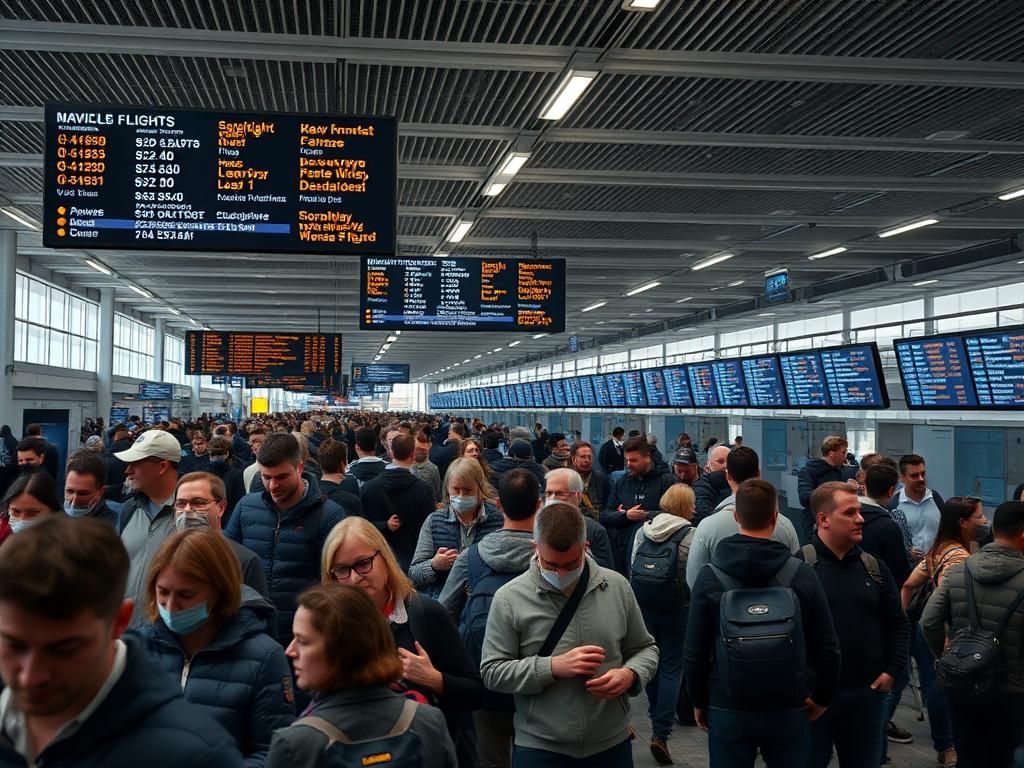
BRUSSELS (AP) – A coordinated cyberattack on Friday night, September 19, crippled vital check-in and boarding systems at several of Europe’s busiest airports, leading to significant flight delays and cancellations that rippled across the continent on Saturday. Travelers at key international gateways like Brussels Airport, Berlin’s Brandenburg Airport, and London’s Heathrow were met with chaotic scenes and manual processing as automated systems became inoperable.
The Root of the Disruption: Collins Aerospace’s MUSE Software Hit
The root of the disruption was identified as a cyber-related incident affecting the Multi-User System Environment (MUSE) software provided by Collins Aerospace, a prominent aviation and defense technology subsidiary of RTX Corp. This critical system is responsible for enabling passengers to self-check-in, print boarding passes and bag tags, and dispatch luggage, making its compromise a direct hit on the efficiency of modern air travel.
Brussels Airport Heavily Impacted, Other Hubs See Minimal Disruptions
Brussels Airport, a major European hub, reported being significantly impacted, initially facing a “large impact” on its flight schedules. By mid-morning Saturday, the airport confirmed that nine flights had been canceled outright, four were rerouted to alternative airports, and at least 15 experienced delays exceeding an hour. Passengers were forced to queue for manual check-in, a process far slower than automated systems, exacerbating wait times.
While the immediate fallout appeared somewhat contained as Saturday progressed, the incident underscored the vulnerability of interconnected global aviation infrastructure. Berlin’s Brandenburg Airport proactively cut off connections to affected systems to mitigate risk, reporting no direct flight cancellations by late morning. Similarly, London’s Heathrow, Europe’s busiest airport by passenger traffic, confirmed “minimal” disruption with no flight cancellations directly attributed to the cyberattack, though specific details on delays were not provided.
Collins Aerospace Responds to “Cyber-Related Disruption”
Collins Aerospace acknowledged the “cyber-related disruption” to its MUSE software at “select airports,” assuring that it was “actively working to resolve the issue and restore full functionality.” The company emphasized that the impact was primarily limited to electronic customer check-in and baggage drop, and that manual operations were successfully implemented to manage passenger flow.
A Stark Reminder of Cyber Threats
In the wake of the incident, airports across Europe advised travelers to meticulously check their flight status before heading to the airport and apologized for the inconvenience caused by the unforeseen cyberattack. The event serves as a stark reminder of the ongoing threat posed by cyber warfare to critical public services and infrastructure.