

Times Square Caesars Palace Casino Bid Rejected Amidst Broadway Opposition
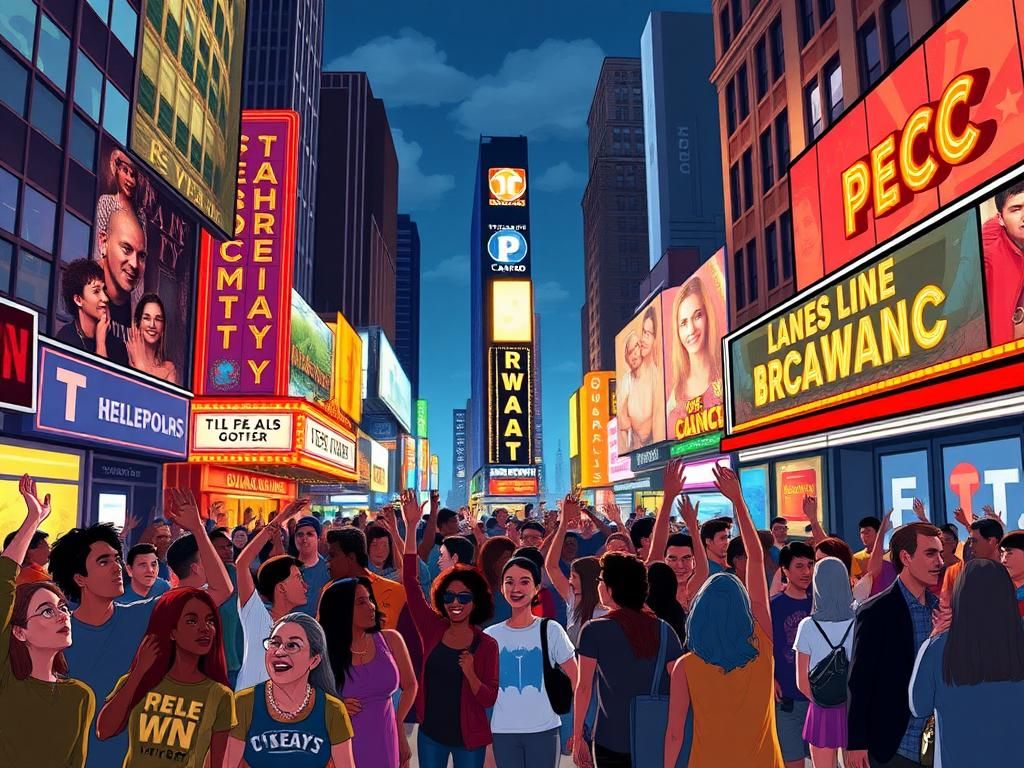
NEW YORK – A highly anticipated proposal for a Caesars Palace casino in the heart of Times Square, a venture backed by developer SL Green and music icon Jay-Z, has been decisively rejected. A state-commissioned community advisory committee unanimously voted against the ambitious $5.4 billion plan on Wednesday, effectively halting its pursuit of one of New York City’s coveted gambling licenses. This significant setback comes after intense opposition from the powerful Broadway theater industry, which voiced profound concerns about the casino’s potential impact on the district’s unique cultural landscape.
Unanimous Rejection Follows Public Outcry
The unanimous vote by the community advisory committee was the culmination of a series of heated public hearings. These sessions saw a diverse coalition – including actors, stagehands, restaurant owners, and local residents – passionately articulate their objections to the casino project. The committee’s decision reflects a strong community sentiment against transforming a significant portion of Times Square into a gambling hub.
Developer’s Anger vs. Broadway’s Triumph
Marc Holliday, CEO of SL Green, reacted with visible anger following the brief vote held in a conference room overlooking Times Square. He reportedly shouted at committee members, “This was a despicable display of cowardice, a complete lack of consideration for all the people who would benefit from this.” His frustration underscores the high stakes involved in the proposal.
Conversely, Jason Laks, president of the Broadway League – a theater industry group that actively campaigned against the project – hailed the decision as a critical victory. “A casino can go anywhere, but Broadway only lives here,” Laks stated, emphasizing that the vote protected the “magic of Broadway” for its thousands of workers and the millions of theatergoers who flock to the district annually. This statement highlights the core argument of the opposition: the irreplaceable nature of Broadway’s cultural ecosystem.
The Ambitious Vision: Caesars in the Heart of Broadway
The proposed development aimed to transform a prominent office tower at 1515 Broadway, which currently houses the Minskoff Theatre (home to the long-running musical “The Lion King”), into a sprawling Caesars-branded hotel, gambling, and entertainment complex. This ambitious vision sought to integrate a major casino operation directly into the fabric of the theater district.
Proponents’ Case: Synergy and Economic Boost
Supporters of the casino, including Jay-Z’s Roc Nation company and influential figures like the Rev. Al Sharpton and former NYPD Commissioner Bill Bratton, argued that the casino would complement existing businesses rather than compete with them. Jay-Z himself asserted in a recent interview with City & State that “Casino visitors will buy tickets, fill seats, book dinners before shows, and keep hotels in the area full.” Matt Goldman, a co-founder of the Blue Man Group, supported this view, drawing parallels to his group’s successful long-running show in Las Vegas. He contended that “more tourism, more gaming brings more people to the restaurants, brings more people to theater,” suggesting a synergistic relationship between gambling and entertainment.
Opponents’ Counter-Arguments: Threat to Broadway’s Culture
However, opponents fiercely dismissed these claims, branding them as “fiction.” Joanne Borts, an actor and musician residing in the area for two decades, argued, “A casino doesn’t put people on the street. The casino locks people inside… A casino helps a casino,” suggesting that a casino primarily benefits itself at the expense of local businesses. Bill Hubner, a union member working on costumes and wardrobes for Broadway productions, voiced a profound concern for the destruction of the famed theatre district’s unique culture. The Harlem resident described Times Square as “an ecosystem of artists and craftsmen and performers and tourists and people with small industries like restaurants.” Committee member Richard Gottfried affirmed that his “no” vote directly reflected the strong community opposition, underscoring the democratic process behind the rejection.
Implications for New York’s Gambling Licenses
Local board approval was a critical prerequisite for the proposal to be considered by the state Gaming Commission, which plans to award up to three new licenses for New York City-area casinos in December. The decisive rejection of the Times Square bid significantly narrows the field for Manhattan projects. Rev. Al Sharpton, a vocal supporter due to the casino’s promise to establish a multimillion-dollar civil rights museum, criticized the vote, alleging it preserved historically white control of Times Square entertainment businesses. “We will remember that in the community,” Sharpton remarked, hinting at broader social and political implications.
The competition for the remaining casino licenses is intense across the metropolitan area. Another Manhattan proposal, the Avenir, planned near the Jacob K. Javits Convention Center and Hudson Yards, was also rejected by its local community board on the same day. Still in contention are:
- A Bally’s casino on a public golf course in the Bronx, which was once managed by former President Donald Trump’s company and could result in a $115 million payday for him if approved.
- A sprawling gambling hall envisioned along Coney Island’s iconic boardwalk in Brooklyn.
- A Hard Rock casino proposed next to Citi Field in Queens, home of the New York Mets.
Additionally, two existing “racinos” – slot parlors located alongside horse racing tracks in Yonkers and Queens – are seeking to upgrade to full-fledged casinos offering live table games like blackjack and poker, further intensifying the competition for gambling revenue in the region.