

Robert Redford was unequivocally more than just a captivating screen presence; he was a titan of acting, a masterful director, and a cultural force who, across six decades, profoundly shaped American cinema. Yet, for countless admirers, his indelible image as a leading man—a blue-eyed, charismatic figure of rugged grace—cemented his status as an iconic sex symbol. This magnetism secured him an array of leading roles opposite some of Hollywood’s most distinguished actresses, weaving a rich tapestry of cinematic romances that continue to enthrall audiences.
As we revisit his prolific career, let’s explore some of the most memorable romantic films that defined Robert Redford’s on-screen allure, offering a glimpse into the chemistry that made these narratives timeless.
Barefoot in the Park (1967) with Jane Fonda
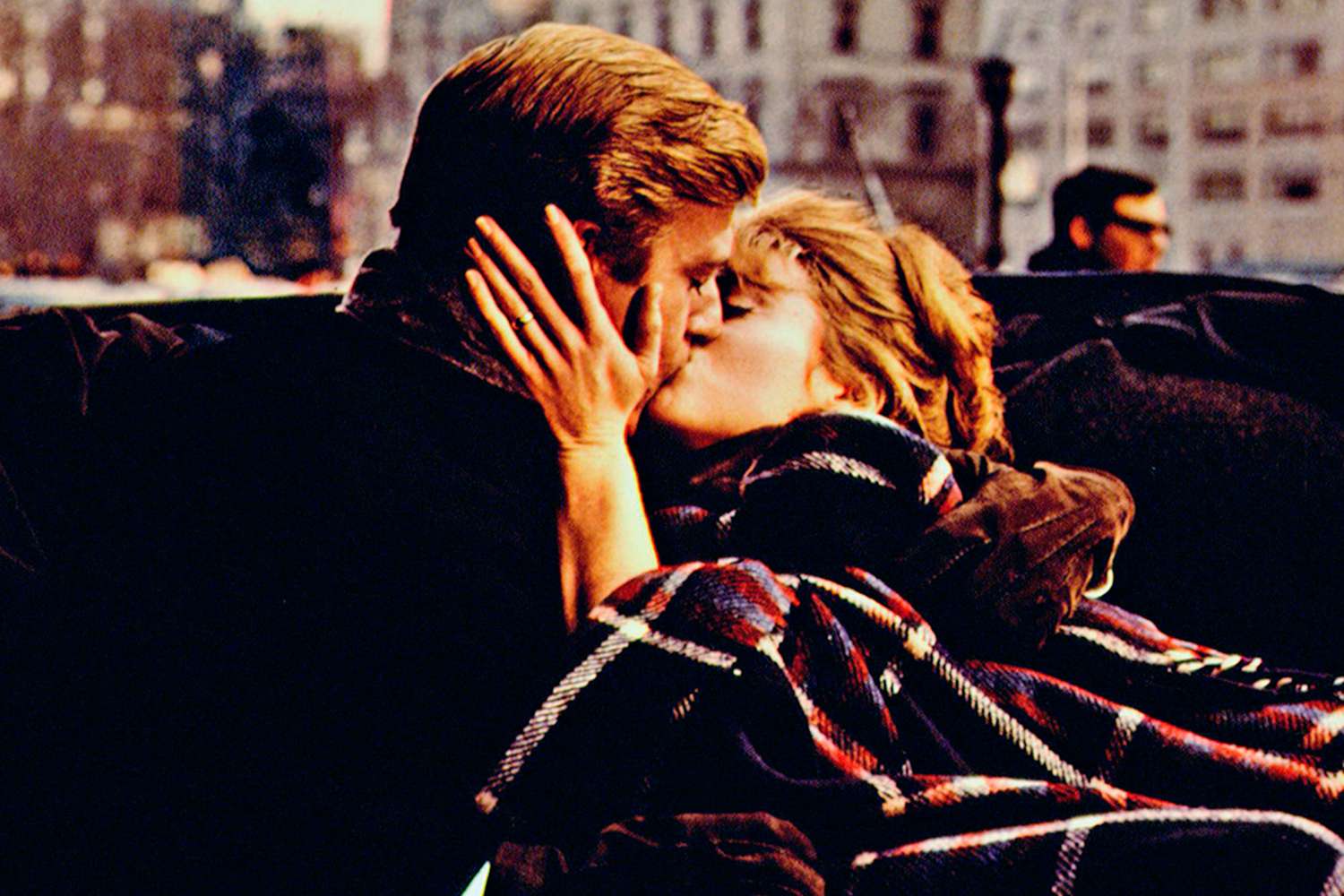
One of Hollywood’s most enduring on-screen partnerships began with Barefoot in the Park, the first of five films starring Robert Redford and Jane Fonda, whose collaborations spanned an impressive five decades from 1960 to 2017. Their palpable chemistry was undeniable, even leading Fonda to famously quip, “He is so handsome and just such a wonderful human being. Every movie I made with him, I developed a crush on him.”
In this delightful 1967 romantic comedy, Redford and Fonda portray Paul and Corie Bratter, young newlyweds navigating the comedic tribulations of their early marriage in a tiny, eccentric fifth-floor walk-up in New York City. Paul, a straitlaced lawyer, clashes humorously with Corie, a free-spirited and impulsive artist. Their contrasting personalities fuel the film’s charm, showcasing their effortless banter and deep affection. Fonda playfully recalled, “In Barefoot in the Park, I couldn’t keep my hands off of him. I was constantly forcing myself on him,” while Redford, with characteristic humility, claimed obliviousness: “I didn’t know she was in love with me.” Their collaborations continued with films like The Chase (1966), The Electric Horseman (1979), and their poignant reunion in Our Souls at Night (2017).
The Way We Were (1973) with Barbra Streisand
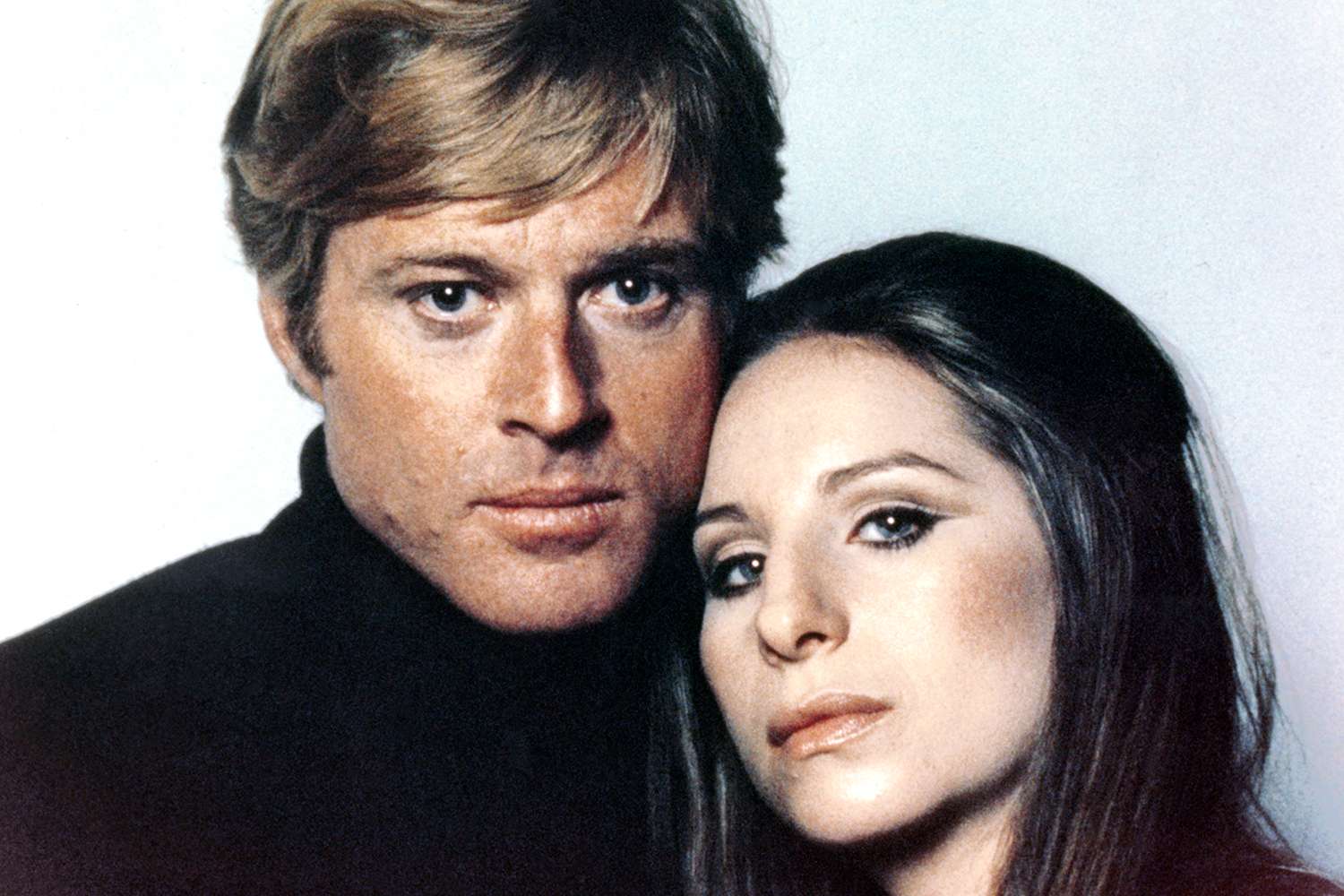
“Your girl is lovely, Hubbell.” This iconic line encapsulates the bittersweet romance of 1973’s The Way We Were, a film that has resonated deeply with generations and earned its place as No. 6 on the American Film Institute’s list of 100 greatest romances. Robert Redford’s handsome, privileged Hubbell Gardiner found his passionate opposite in Barbra Streisand’s fiery political activist, Katie Morosky.
Set against the tumultuous backdrop of 1930s-1950s America, including the McCarthy era, the film chronicles their evolving love story, marked by ideological clashes and undeniable attraction. Despite their profound connection, their differing worlds and principles ultimately prove too vast to bridge. Streisand’s powerful, Oscar-winning title song became an anthem for lost love, and the film’s tear-jerking narrative ensures its perennial popularity. Redford reminisced to Oprah Winfrey about working with Streisand, “I remember the fun we had. I remember liking her energy and her spirit, it was wonderful to play off of. I also really enjoyed kidding her. She was fun to kid.” Streisand, years later, lauded his acting prowess, noting, “You never quite know what he’s really thinking, and that makes him fascinating to watch on screen. Bob understands the power of restraint. You’re never going to get it all, and that’s the secret, I think. That’s the mystery. That’s what makes you want to keep looking at him.”
Out of Africa (1985) with Meryl Streep
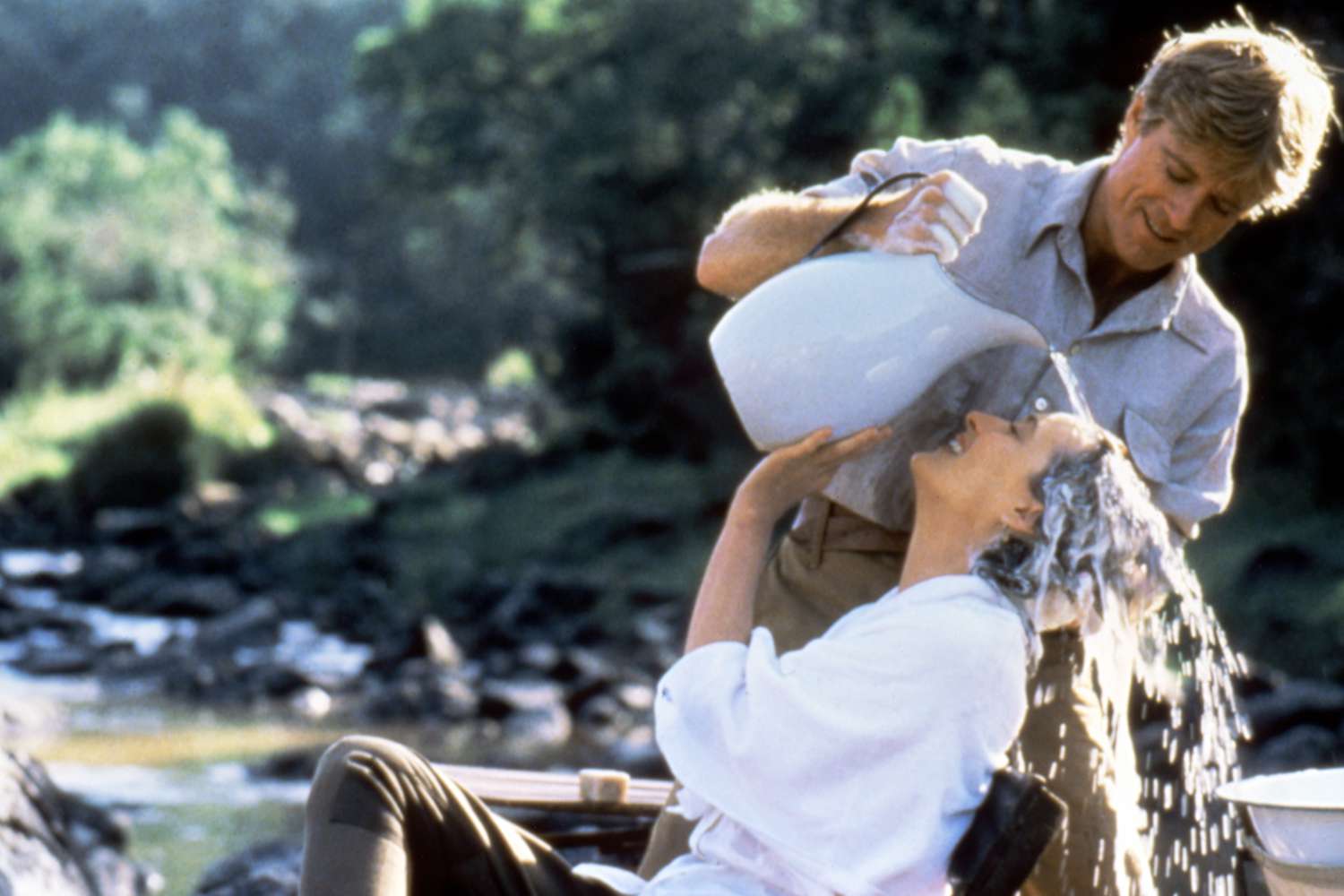
In the visually stunning, sweeping epic Out of Africa, Robert Redford once again embodied the quintessential romantic lead opposite Meryl Streep, in a film that garnered seven Academy Awards, including Best Picture and Best Director for Sydney Pollack. Released in 1985, the film transports viewers to British East Africa (present-day Kenya) in the 1930s.
Streep portrays Karen Blixen, a Danish baroness who moves to Africa to manage a coffee plantation, while Redford plays Denys Finch Hatton, a charismatic big-game hunter and adventurer. Their romance, a complex dance between two independent spirits, blossoms amidst breathtaking landscapes and culminates in passionate connection and inevitable heartbreak. Streep later confirmed to Oprah Winfrey that Redford delivered her favorite onscreen kiss, revealing to the Sun-Sentinel that she developed a “huge crush” on him during filming, partly due to his exceptional listening skills. Redford himself once told the New York Times, “I’ve always had a rather romantic view of women: I liked them and I liked putting them on a pedestal to some degree,” a sentiment that often translated powerfully to his on-screen portrayals.
The Natural (1984) with Glenn Close
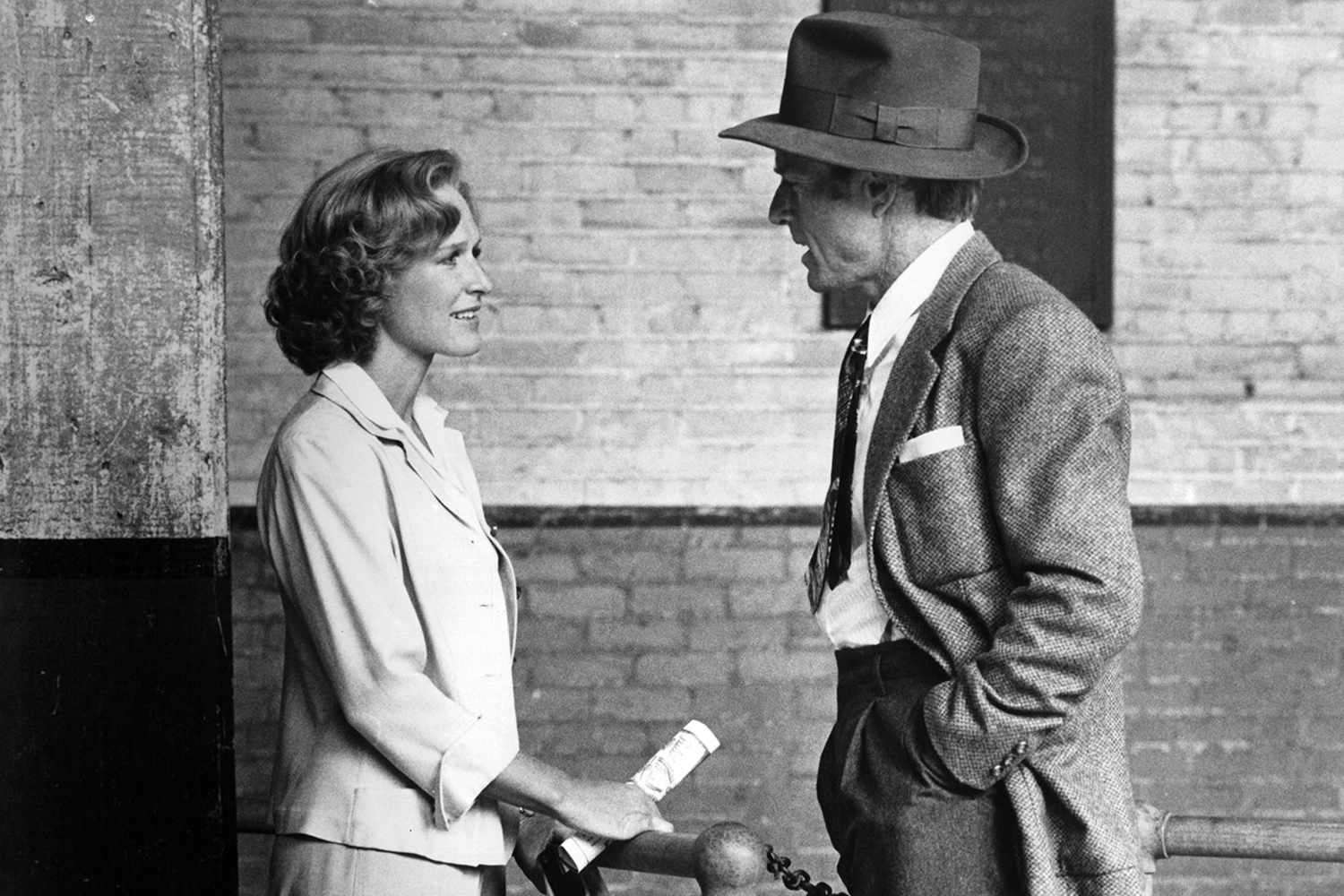
Beyond the overtly romantic dramas, Redford also wove compelling love stories into other genres. In Barry Levinson’s critically acclaimed 1984 sports fantasy The Natural, Robert Redford stars as Roy Hobbs, a mysterious baseball prodigy granted a miraculous second chance in the major leagues after a shocking, decades-old injury. His journey to redemption is deeply intertwined with his enduring connection to Iris Gaines, his steadfast high school sweetheart, played by Glenn Close.
Iris’s reappearance serves as a powerful source of strength and inspiration for Hobbs. Their path to rekindling their romance is fraught with complications, but it is ultimately deeply moving. Close, reflecting on the film’s realistic portrayal of cautious reconciliation, notably ranked Redford as her No. 1 movie husband, recalling to Vulture, “I don’t know how many women in movies have actually thrown Robert Redford out of their apartment!”—a testament to her character’s fierce independence.
The Great Gatsby (1974) with Mia Farrow
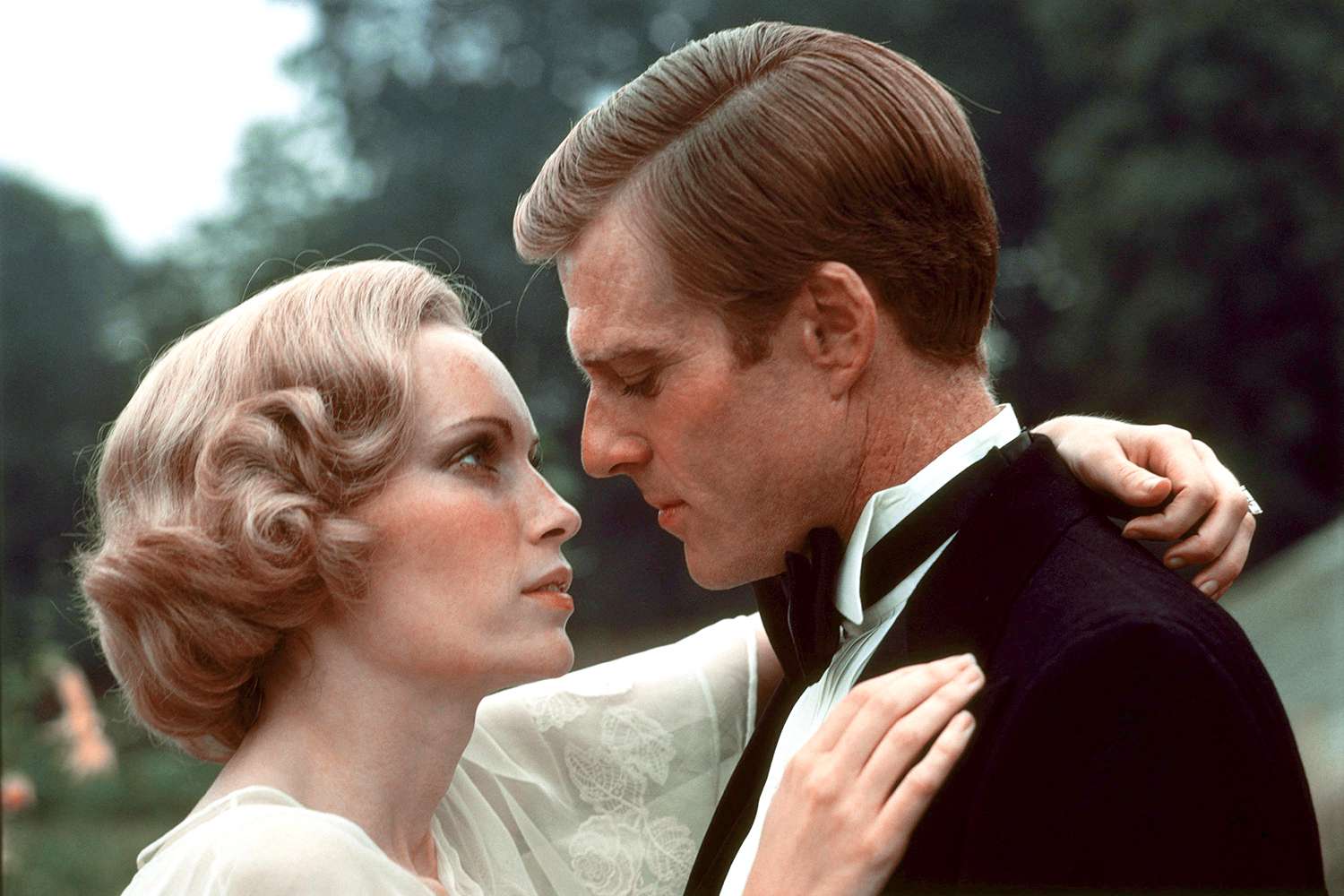
The 1974 adaptation of F. Scott Fitzgerald’s seminal novel, The Great Gatsby, might not have been a critical darling, but it offered a visually splendid portrayal of Jazz Age decadence, with Robert Redford and Mia Farrow as the exquisite, star-crossed lovers, Jay Gatsby and Daisy Buchanan.
Redford, as the enigmatic millionaire Gatsby, embodies the tragic American dream, obsessed with recapturing his lost love, Daisy (Farrow), a socialite trapped in a hollow marriage. Though the film faced mixed reviews, it earned two Academy Awards for Best Costume Design and Best Original Score, celebrating its opulent recreation of the 1920s. Redford and Farrow, draped in lavish period attire, captured the fragile beauty and poignant despair inherent in Fitzgerald’s iconic romance.
Three Days of the Condor (1975) with Faye Dunaway
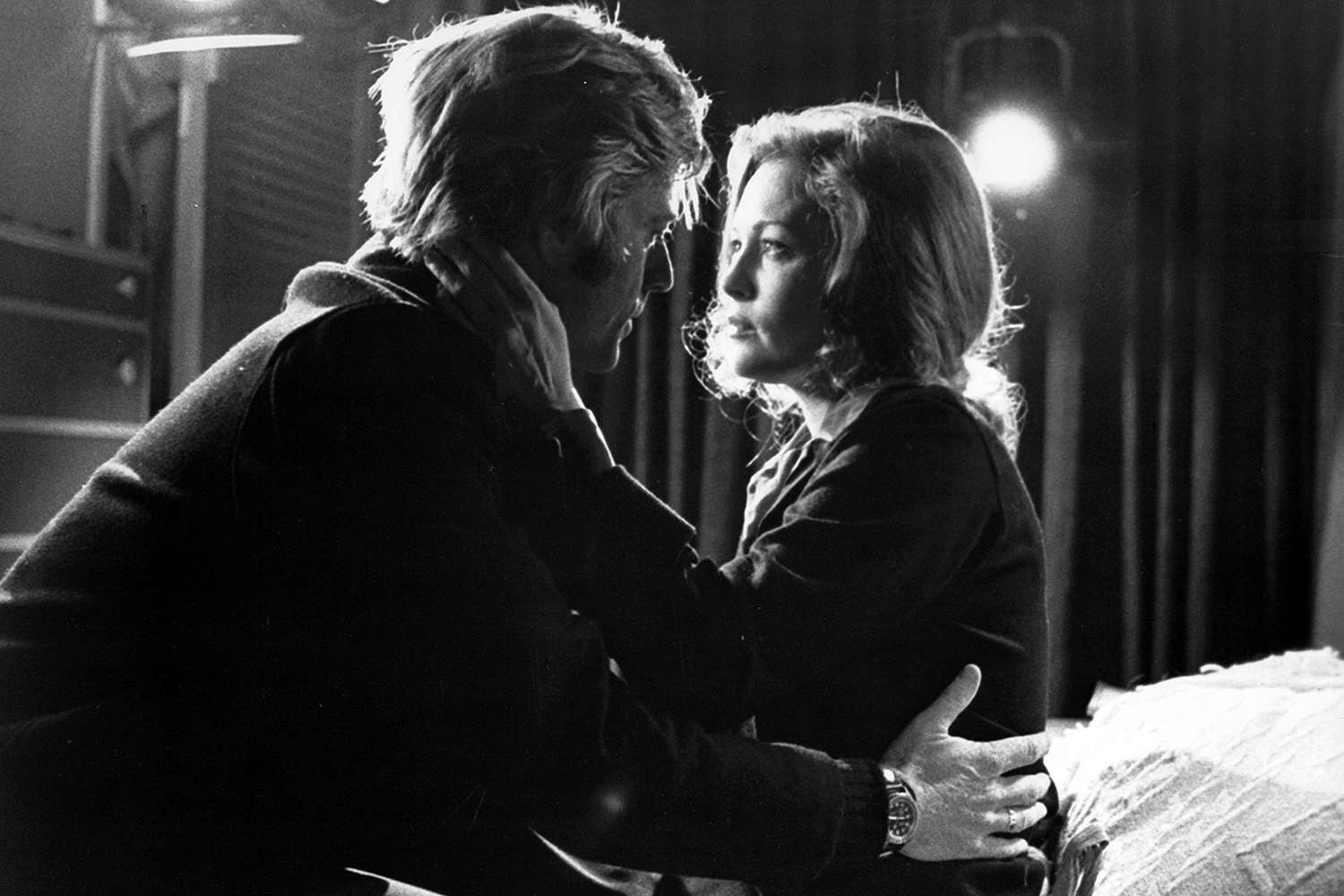
In Sydney Pollack’s taut 1975 political thriller, Three Days of the Condor, Robert Redford’s Joe Turner, a CIA analyst, finds his world upended when he narrowly escapes an assassination attempt that claims the lives of his entire research unit. Forced into hiding, he encounters Kathy Hale, a photographer played by Faye Dunaway, whom he initially takes hostage.
Their burgeoning romance unfolds amidst a desperate scramble for survival, as Turner attempts to expose a deep-seated conspiracy within the CIA. Dunaway humorously recalled on a British talk show in 2008 the challenge of portraying fear while opposite Redford: “You’d just say, ‘Yes, fine, do it’ — because he’s so gorgeous!” The film masterfully blends espionage and unexpected intimacy, showcasing Redford’s ability to generate chemistry even in high-stakes environments.
Indecent Proposal (1993) with Demi Moore
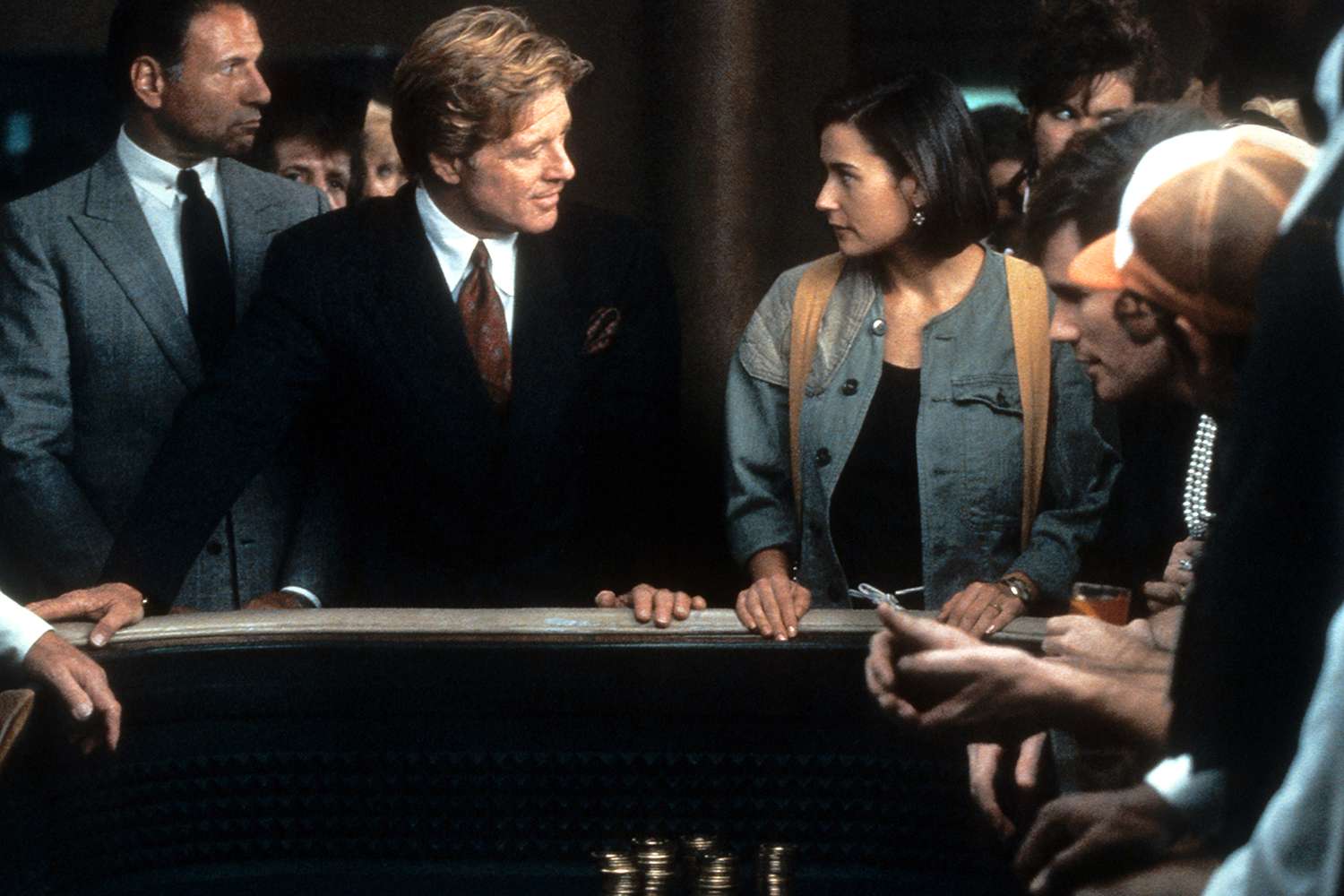
The controversial 1993 drama Indecent Proposal presented Robert Redford in a more morally ambiguous romantic role as John Gage, a wealthy, alluring billionaire. Gage offers a struggling couple, Diana (Demi Moore) and David Murphy (Woody Harrelson), $1 million for one night with Diana, testing the very foundation of their marriage.
Despite the film’s polarizing premise, the on-screen heat between Redford and Moore was undeniable. The power of Redford’s charisma was so significant that, according to screenwriter Amy Holden Jones, the original ending, which saw Moore’s character ultimately leave Gage, had to be rewritten. Jones told the New York Post, “He had that changed, because Robert Redford couldn’t be left,” highlighting Redford’s enduring appeal and influence on cinematic narratives.
Inside Daisy Clover (1965) with Natalie Wood
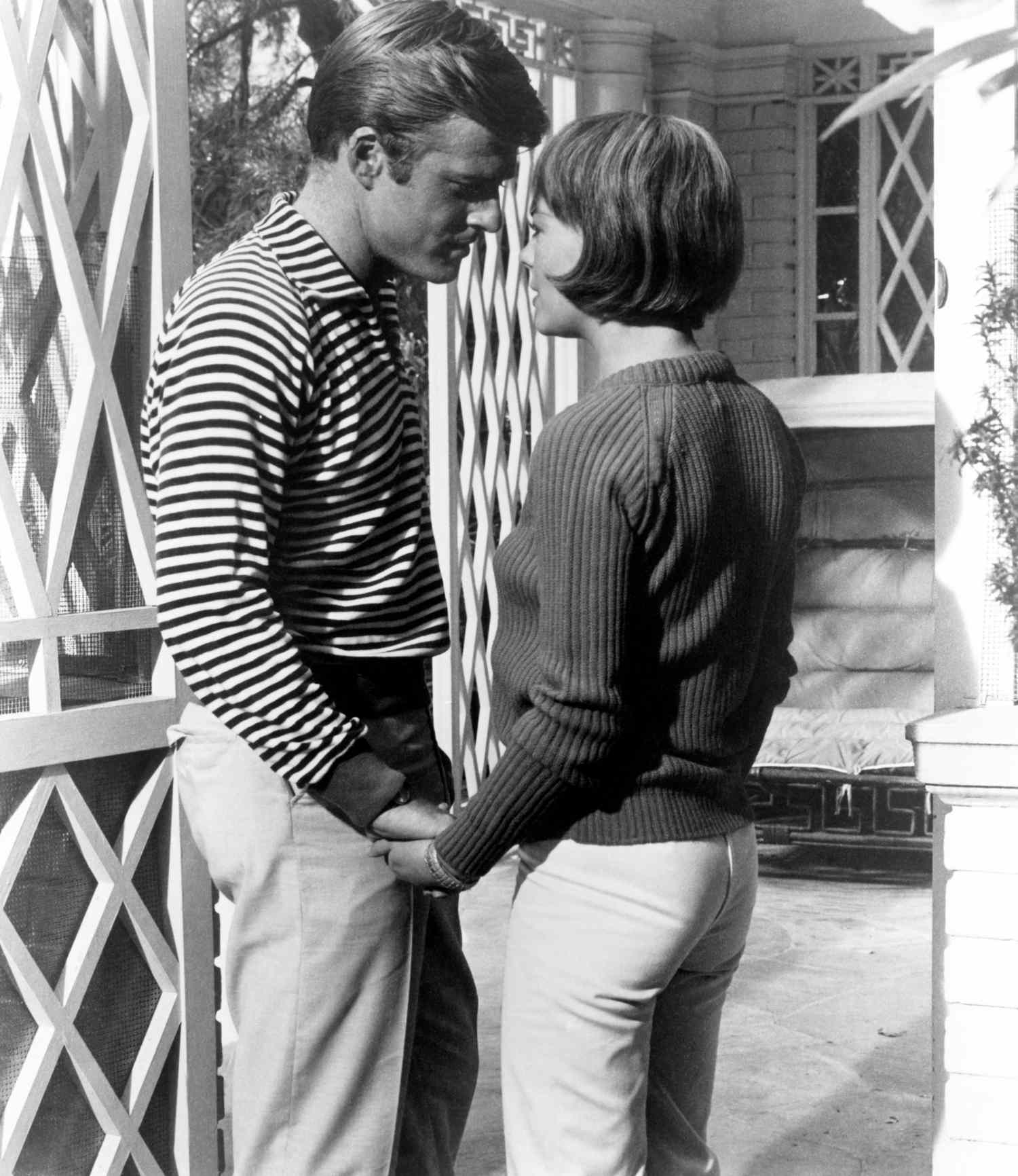
While not a blockbuster hit, 1965’s Inside Daisy Clover holds a special place in Robert Redford’s filmography as a significant early role that helped launch his illustrious career. In the film, he portrays Wade Lewis, a complex and conflicted Hollywood actor who marries Natalie Wood’s titular former child star.
Beyond the troubled on-screen relationship, the film cemented a deep personal friendship between Redford and Wood that had begun years earlier when they crossed paths in high school. Redford even served as best man at Wood’s second wedding to Robert Wagner, reflecting the strength of their bond. In a retrospective for Turner Classic Movies, Redford remembered Wood fondly, underscoring a connection that transcended their work together.
The Horse Whisperer (1998) with Kristin Scott Thomas
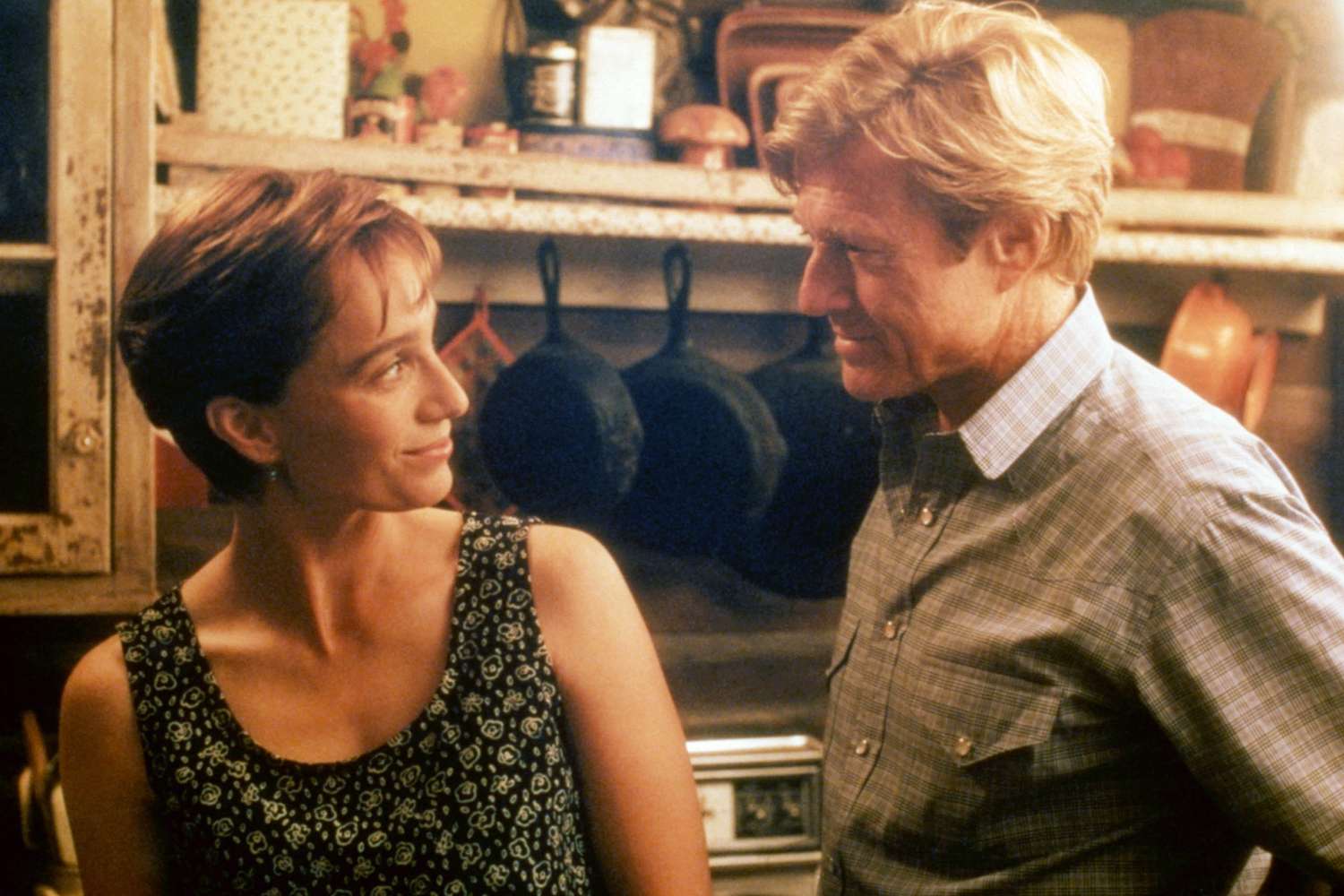
Robert Redford not only starred in but also directed the poignant 1998 drama The Horse Whisperer, based on Nicholas Evans’ bestselling novel. The story centers on Annie MacLean (Kristin Scott Thomas), a fiercely independent New York editor who travels to rural Montana with her injured daughter, Grace (Scarlett Johansson), and her traumatized horse, Pilgrim. There, they seek the help of Tom Booker (Redford), a gifted rancher and “horse whisperer” renowned for his ability to heal troubled animals and, implicitly, human hearts.
A quiet, profound attraction develops between the sophisticated city woman and the grounded countryman, a romance subtly explored and deeply felt. Redford, as director, masterfully illustrated their mutual desire with a memorable slow dance scene. He explained his creative choice to The Morning Call: “I’m so glad to hear that that women think that scene is sexy… I wondered, ‘How do I illustrate this romance that’s about heat and desire?’ Dancing is one of the sexiest things two people can do. Nudity is now de rigueur in every film. I wanted the audience to see love in another way,” showcasing his thoughtful approach to portraying intimacy on screen.
The Unseen Romance: Robert Redford and Betty White
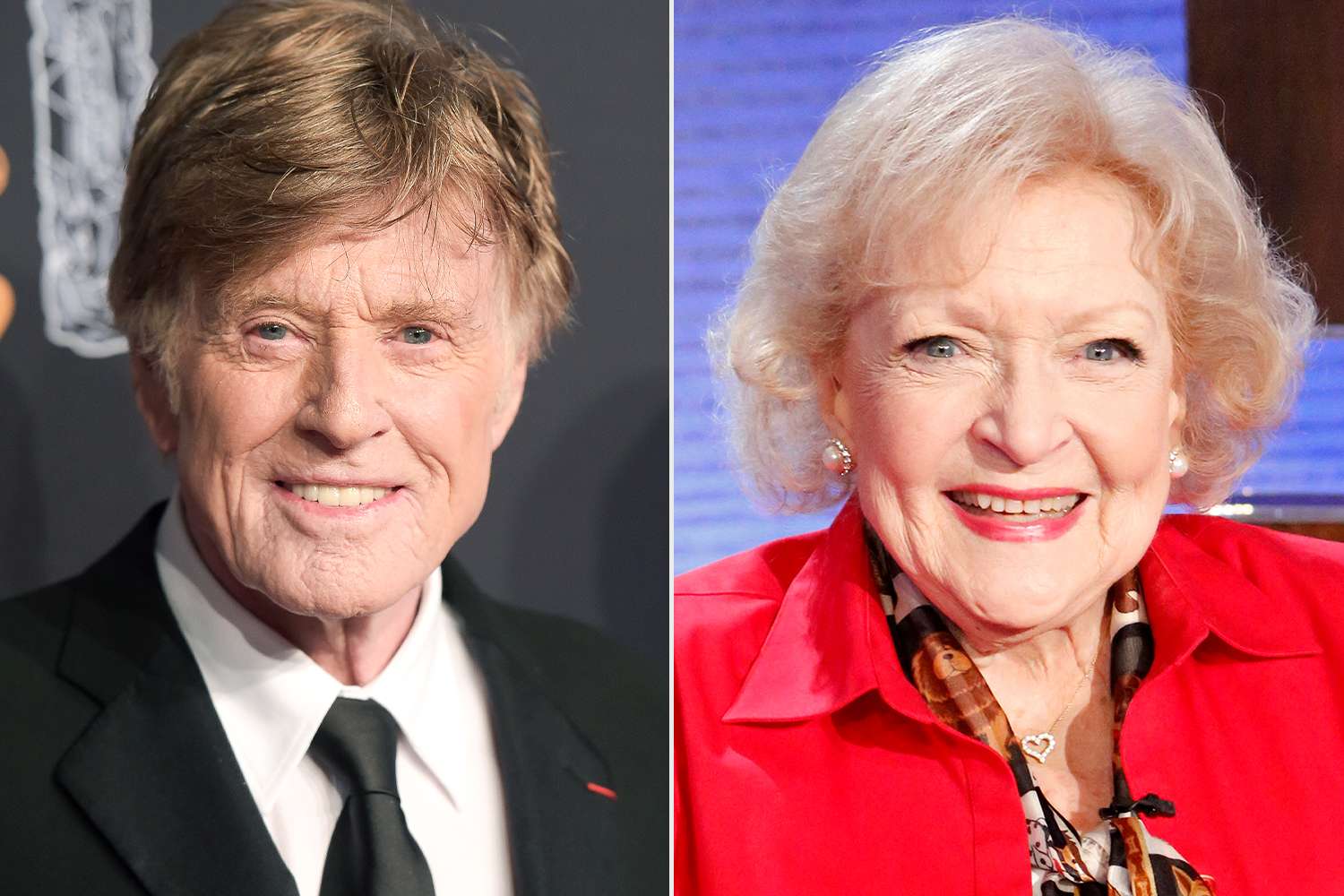
While they never shared the screen, the legendary Betty White harbored a decades-long, public, and utterly delightful crush on Robert Redford, creating a beloved, running gag that highlighted Redford’s enduring universal appeal. White, with her signature wit, frequently confessed her admiration, famously telling The Insider, “My answer to anything under the sun, like, ‘What have you not done in the business that you’ve always wanted to do?’ is: ‘Robert Redford.’ “
Her affection remained steadfast, even into her late 90s. At 99 years old, she reiterated to PEOPLE, “I’ve heard Ryan [Reynolds] can’t get over his thing for me… but Robert Redford is The One.” After her passing, Redford himself issued a touching statement to PEOPLE, confirming the mutual admiration: “She made us all laugh, including me… I had a crush on her, too!” This endearing, unfulfilled on-screen romance cemented Redford’s status as a timeless object of affection, transcending generations and even the boundaries of film itself.
From his intense on-screen partnerships to the wistful adoration of a fellow legend, Robert Redford’s career is a testament to the power of his romantic persona. His ability to craft nuanced, compelling relationships with his leading ladies remains a hallmark of his incredible legacy in Hollywood.