

The Shocking Aftermath: Free Speech, Firings, and the Digital Workplace
NEW YORK (AP) — The shocking news of conservative activist Charlie Kirk’s fatal shooting sent immediate ripples across the nation, not only among political circles but also into the American workplace. In the days following the tragic event, a notable consequence emerged: numerous individuals, including prominent figures like MSNBC political analyst Matthew Dowd, found themselves terminated from their positions for comments made on social media regarding Kirk’s death. This swift wave of dismissals has cast a harsh spotlight on the often-misunderstood boundaries of free speech, particularly for employees in the private sector.
The Catalyst: A Polarizing Event and Its Digital Fallout
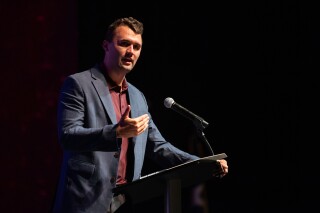
Charlie Kirk, known for founding the influential conservative student organization Turning Point USA, was a highly visible and often polarizing figure in American politics. His sudden and violent death immediately became a flashpoint for intense online discourse. Almost immediately, conservative activists galvanized, actively seeking to identify and publicize social media users whose posts were deemed offensive or celebratory regarding Kirk’s passing. Figures like right-wing influencer Laura Loomer publicly vowed to undermine the professional standing of anyone found to be celebrating the death, setting a precedent for a targeted digital campaign that quickly translated into real-world job losses.
Navigating the ‘At-Will’ Maze: Limited Protections for Private Employees
The speed and scale of these firings underscore a critical, yet often overlooked, aspect of American employment law: the fundamental difference between constitutional free speech protections and workplace realities. Unlike common perception, the First Amendment primarily restricts government actions against speech; it offers very little legal protection for employees in the private sector who are disciplined or terminated for their comments, whether made in or outside the workplace.
“Most people think they have a right to free speech, but that doesn’t necessarily apply in the workplace,” explains Vanessa Matsis-McCready, associate general counsel and vice president of HR Services for Engage PEO. “Most employees in the private sector do not have any protections for that type of speech at work.”
The vast majority of the U.S. operates under “at-will” employment laws, a doctrine that grants employers extensive latitude to hire and fire employees for any reason, or no reason at all, provided it’s not discriminatory or illegal. Andrew Kragie, an attorney specializing in employment and labor law at Maynard Nexsen, clarifies this distinction: “The First Amendment does not apply in private workplaces to protect employees’ speech. It actually does protect employers’ right to make decisions about employees, based on employees’ speech.”
Pockets of Protection: State Laws and Their Limits
While “at-will” employment is the norm, some states offer nuanced protections. New York, for instance, has provisions that prevent employers from firing an employee for participating in a weekend political protest, provided they don’t associate themselves with their employer. However, even these state-level safeguards often come with critical caveats. Steven T. Collis, a law professor at the University of Texas at Austin and faculty director of the school’s Bech-Loughlin First Amendment Center, points to “legal off-duty conduct” statutes found in some states. Yet, these laws frequently include exceptions for conduct deemed disruptive to an employer’s business or reputation.
Collis elaborates, “In this scenario, if somebody feels like one of their employees has done something that suggests they are glorifying or celebrating a murder, an employer might still be able to fire them even with one of those laws on the books.” This illustrates the precarious balance between an individual’s right to express political views and an employer’s right to protect its business interests.
Public Employees: A Different Standard
The landscape shifts significantly for public employees, which encompasses a wide array of roles from school teachers and postal workers to elected officials. For these workers, the First Amendment plays a unique and more direct role as the government is their employer. The Supreme Court has established that if a public employee is speaking in a private capacity on a matter of public concern, their speech may be protected. Nevertheless, government employers retain the authority to discipline a worker if their conduct is determined to interfere with the government’s ability to perform its job effectively.
Mirroring this concern for order and reputation, military leadership, through its official channels, quickly announced a “zero tolerance” policy following Kirk’s death. This directive specifically targeted any posts or comments from troops that made light of or celebrated the killing, with officials stating that such conduct was “unacceptable for military personnel and Department of War civilians to celebrate or mock the assassination of a fellow American.” This policy underscored the stringent expectations for conduct within uniformed services, even in the realm of personal expression.
The Ubiquitous Digital “Town Square”: Social Media’s Amplifying Role
The digital age, characterized by the omnipresence of social media platforms, has profoundly reshaped the dynamics of public discourse and its impact on employment. Platforms like X (formerly Twitter), Facebook, and Instagram serve as a global “town square,” where opinions about politics and breaking news are shared instantly and widely. However, every post leaves a permanent record, and in an era of escalating political polarization, these declarations can swiftly be perceived as damaging to an individual’s professional standing or their employer’s reputation.
“People don’t realize when they’re on social media, it is the town square,” remarks Amy Dufrane, CEO of the Human Resource Certification Institute. “They’re not having a private conversation with the neighbor over the fence. They’re really broadcasting their views.” The ease of sharing opinions, coupled with the potential for posts to go viral, has significantly increased the visibility and the potential repercussions of employees’ online activities.
Political Debates Permeate the Workplace: HR Professionals Caught Unprepared
The lines between personal and professional communication have further blurred with the integration of communication tools like Slack and Teams into daily work life. These platforms, designed for rapid internal communication, often foster a less formal environment that can unintentionally mirror social media interactions, leading employees to express political viewpoints they might otherwise hold back in traditional settings.
Compounding this, many human resource professionals across the U.S. have admitted feeling unprepared to effectively address politically charged discussions in the workplace, according to surveys by the Human Resource Certification Institute. This highlights a critical need for organizational preparedness. Dufrane stresses the importance of clarity: “HR has got to really drill down and make sure that they’re super clear on their policies and practices and communicating to their employees on what are their responsibilities as an employee of the organization.” Many employers are now actively reviewing their policies on political speech and implementing training programs to define appropriate conduct both inside and outside the workplace.
Employer Duty and Brand Protection in a Divided Climate
Employers are not merely reacting to social media firestorms out of corporate whim; they are often compelled by a combination of legal duty, reputational risk, and a commitment to maintaining a safe work environment. The increasingly violent nature of political rhetoric has heightened concerns for workplace safety, pushing employers to be “extra vigilant about anything that could be viewed as a threat, which is their duty,” as Matsis-McCready notes.
Furthermore, employees are increasingly seen as ambassadors of a company’s brand. Public political speech, especially if controversial or offensive, can directly dilute that brand and cause significant reputational harm, leading to a strong impetus for companies to intervene. The immediate and widespread public backlash against certain online comments, with “the phone lines of their employers… just nonstop calls complaining,” serves as a potent reminder of the direct financial and reputational consequences employers face.
An Enduring Challenge in the Digital Age
While the specific catalyst of Charlie Kirk’s fictional death brought this issue into sharp focus, the underlying challenges of employee speech in the digital age are far from new. Experts like Steven Collis point out that employer monitoring of online activity has been a consistent practice for at least the past 15 years. The ongoing tension between individual rights to expression and an employer’s right to manage its workforce and reputation remains a complex and evolving aspect of modern employment. As digital footprints become ever more indelible, the necessity for both employees to understand the potential ramifications of their public comments and for employers to establish clear, fair policies will only continue to grow.