


“Welcome Back, Kotter”: A Look Back at the Beloved Sitcom’s Tumultuous Journey
As “Welcome Back, Kotter” approaches its landmark 50th anniversary, co-creator and star Gabe Kaplan, now 80, has offered an unprecedented look into the tumultuous yet triumphant creation of the beloved 1970s sitcom. In a revealing essay for the September issue of Emmy Magazine, Kaplan chronicles the show’s journey from a “worst idea” to a cultural phenomenon, highlighting the early struggles faced by its breakout star, John Travolta.
John Travolta’s Rocky Start as Vinnie Barbarino
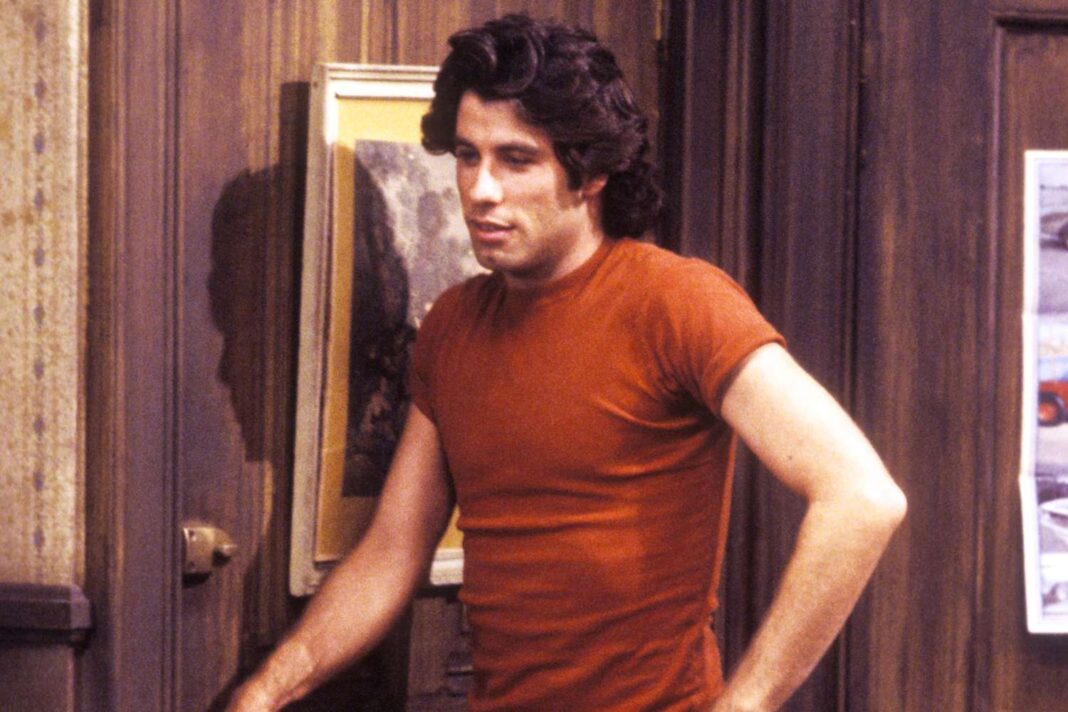
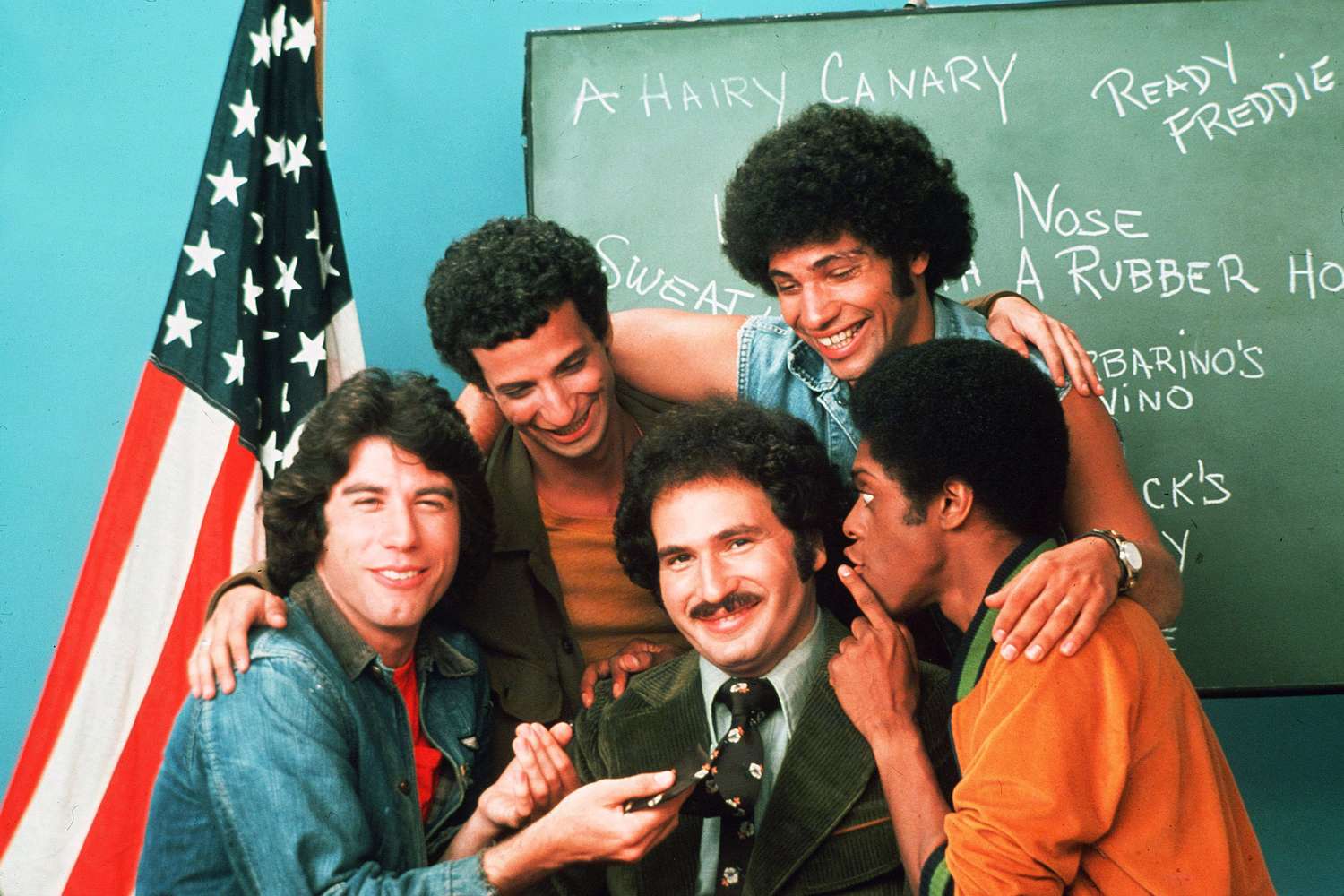
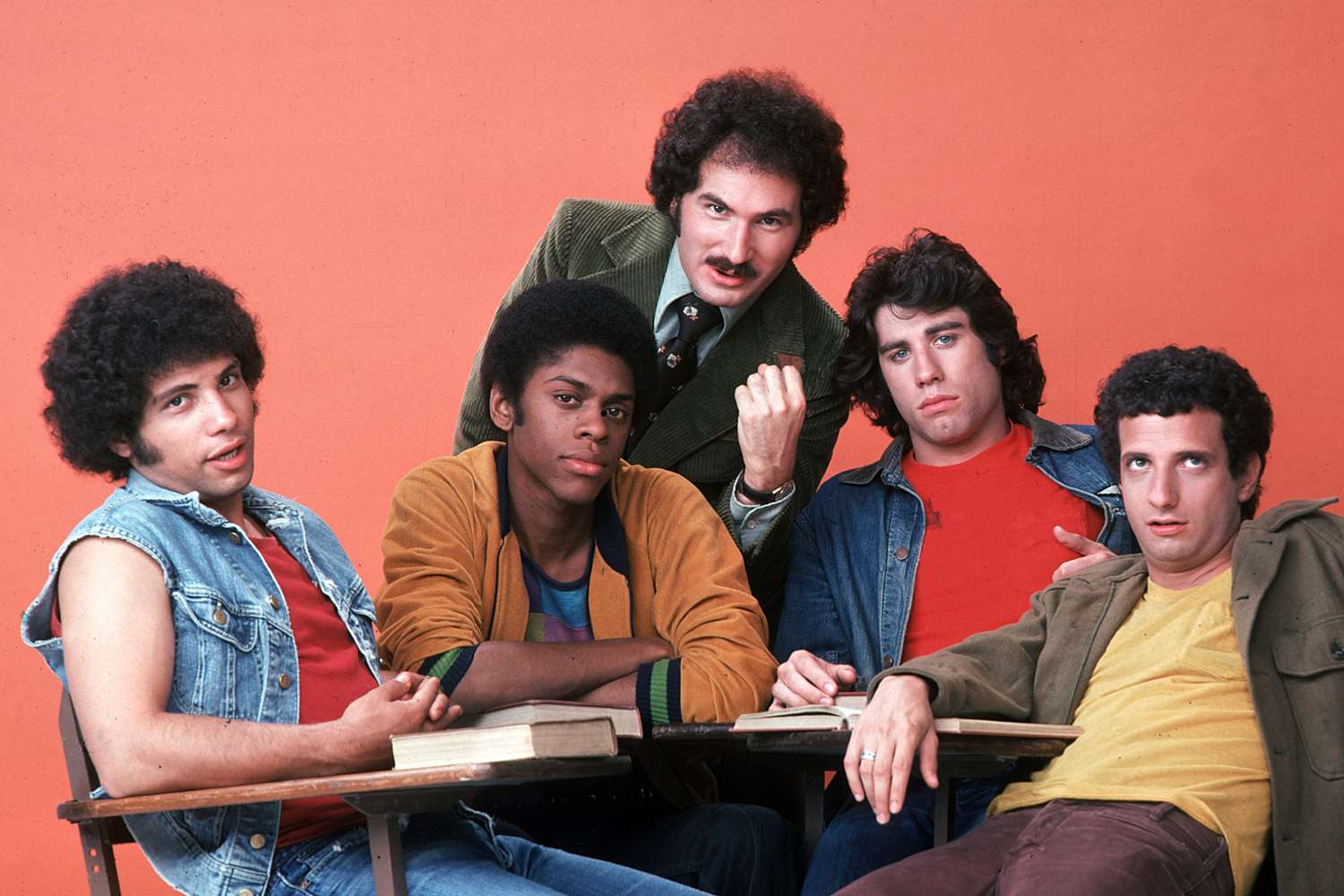
Travolta, then a burgeoning talent, became a household name as the charming but dim-witted Vinnie Barbarino, leader of the “Sweathogs”—a group of remedial students at the fictional James Buchanan High School in Brooklyn, New York. Yet, his path to iconic status was fraught with a notable lack of support from one of the series’ key figures: producer James Komack, who passed away in 1997 at age 73.
From “Worst Idea” to Pilot Success
Kaplan, who co-created the series with Alan Sacks, based “Welcome Back, Kotter” on his own stand-up comedy routines and experiences as a former student returning to teach. The duo soon partnered with Komack, a seasoned producer and director known for his work on the Freddie Prinze vehicle “Chico and the Man.” However, Komack’s initial reaction to the “Kotter” concept was far from enthusiastic. According to Kaplan, Sacks relayed Komack’s scathing assessment: “This might be the worst idea for a show I’ve ever heard.”
Despite Komack’s initial disdain, the project found a powerful champion in Michael Eisner, then head of programming at ABC. Eisner’s belief in the series led to an ordered pilot. “Suddenly,” Kaplan recounts, “Jimmy became totally immersed in the worst idea he’d ever heard.”
Komack’s Harsh Criticism and Travolta’s Breakthrough
The pilot episode required two tapings, and it was during this intensive process that Komack’s critical nature became acutely clear to the young Travolta. Travolta, 71, later confided in Kaplan about the painful experience. “Jimmy came down on me after the first show,” Travolta recalled, mimicking Komack’s harsh words: “‘What happened? Where was that guy from rehearsals? We won’t get on the air if you do that again.’” Kaplan, recognizing the impact on Travolta, offered reassurance, affirming his performance was “great.” He speculated that Komack might have believed such tactics would yield a better performance, but Travolta admitted, “it shook him up.”
It was during this period of creative struggle that Travolta found the crucial inspiration for Vinnie Barbarino. Kaplan remembers Travolta citing Robert De Niro’s electrifying portrayal of Johnny Boy in Martin Scorsese’s gritty 1973 crime drama, “Mean Streets.” Travolta explained, “I know guys like Johnny Boy. You know you should stay away from them, but you can’t.” This revelation allowed Travolta to imbue Barbarino with a “new soul,” adding layers of charisma and vulnerability that resonated deeply with audiences.
The Birth of Iconic Catchphrases and Producer Resistance
As Travolta refined Barbarino, certain mannerisms and phrases organically emerged, notably the inquisitive catchphrase “What? Where? When?” Writers soon began incorporating it into the scripts, much to the delight of the growing fanbase. However, Komack remained an unlikely antagonist to Barbarino’s burgeoning popularity. Kaplan further revealed Komack’s vehement dislike for another of Barbarino’s iconic lines: “I’m so confused.” After its initial use, Komack abruptly banned it, exclaiming, “This is supposed to be the leader of your gang. You’re turning him into a f—— idiot!”
An Instant Sensation and Travolta’s Rise to Stardom
When “Welcome Back, Kotter” officially premiered in September 1975, it was an immediate sensation. Vinnie Barbarino quickly became the show’s undeniable breakout character, catapulting John Travolta into mainstream stardom. The show ran for four successful seasons, concluding in 1979. By then, Travolta had already cemented his legacy as a bona fide movie star, headlining blockbusters like 1977’s “Saturday Night Fever” and 1978’s “Grease,” both of which further showcased his magnetic screen presence.
Internal Conflicts and Retrospective Wisdom
Kaplan’s essay doesn’t shy away from other internal conflicts with Komack. The producer reportedly expressed concerns that the “ethnic diversity” of the cast would be a “distraction” and, at one point, even considered replacing Kaplan himself as an actor. These anecdotes paint a picture of a challenging creative environment, despite the show’s widespread appeal.
Years later, in the 1980s, Kaplan and Komack had one final encounter, offering a moment of shared reflection. Kaplan stated, “We both had a little more hindsight, recognizing we could’ve made things easier for ourselves and everybody else.” He concluded with a poignant thought: if they had allowed themselves to be more vulnerable with each other, “We could’ve had as much fun making Kotter as the viewers had watching it.” This retrospective sentiment underscores the complex dynamics behind one of television’s most memorable sitcoms.