


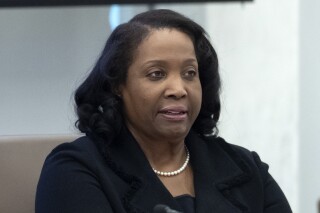
Federal Reserve Governor Lisa Cook Under DOJ Scrutiny for Mortgage Fraud Allegations
WASHINGTON (AP) — The U.S. Justice Department has significantly escalated its inquiry into Federal Reserve Governor Lisa Cook, issuing subpoenas as part of an investigation into mortgage fraud allegations. This probe, revealed on Wednesday, September 3, 2025, by a source familiar with the matter and previously reported by The Wall Street Journal, intensifies a high-stakes legal battle following the Trump administration’s attempt to remove Cook from her influential role.
Allegations of Mortgage Fraud Surface
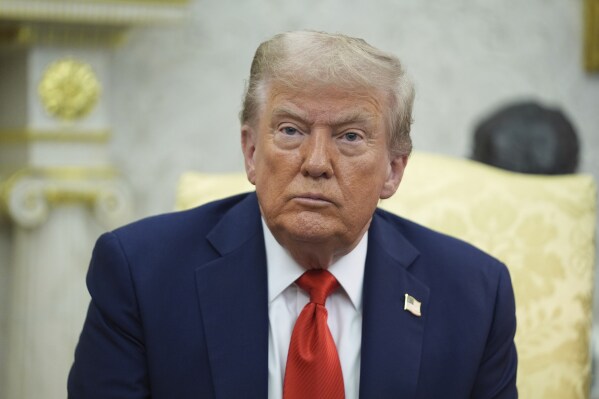
The investigation stems from a criminal referral made by Bill Pulte, a Trump appointee serving as director of the Federal Housing Finance Agency. Pulte alleges that Cook committed mortgage fraud in 2021, prior to her appointment to the Federal Reserve Board. Specifically, the inquiry focuses on two properties—one in Ann Arbor, Michigan, and another in Atlanta—for which Cook allegedly claimed primary residency simultaneously to secure more favorable mortgage terms. Mortgage rates are typically higher for secondary residences or investment properties, making such misrepresentations a serious offense.

Cook’s Attorney Cites Political Motivation
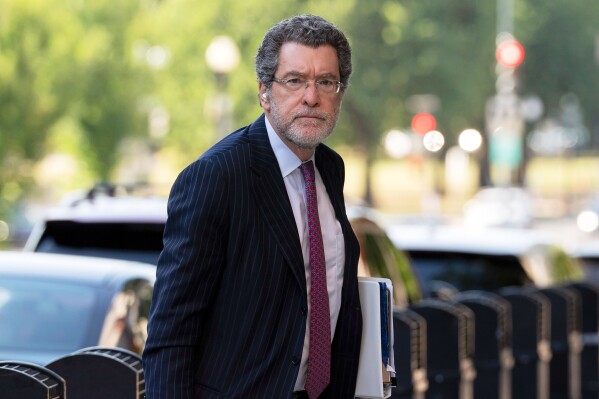
Abbe David Lowell, Cook’s attorney, vehemently denies the allegations, asserting that the investigation is a politically motivated maneuver. “Predictably and recognizing the flaws in challenging their illegal firing of Governor Cook, the administration is scrambling to invent new justifications for its overreach,” Lowell stated. “This Justice Department—perhaps the most politicized in American history—will do whatever President Trump demands.”
Legal Battle Amidst Ousting Controversy
The new probe unfolds amidst a contentious legal challenge by Cook against President Donald Trump’s August 25 announcement of her ousting. Cook argues that her removal is an unlawful attempt to erode the Federal Reserve’s cherished independence, a cornerstone of its nearly 112-year history. The central bank is designed to operate free from political pressure, making crucial decisions on interest rates and monetary policy to stabilize the U.S. economy. Presidents can only remove Fed governors “for cause,” typically involving inefficiency, neglect of duty, or malfeasance during their tenure, and after due process. Cook’s legal team contends she was denied a hearing and an opportunity to respond to any charges.
The Justice Department, however, urged a federal judge in Washington to permit Cook’s immediate removal, dismissing her claims of presidential overreach as “baseless.” The department maintains that the president retains the discretion to fire for cause and that these decisions are not subject to judicial review.
DOJ’s “Weaponization Working Group” Leads Inquiry
Adding another layer to the political narrative, the Justice Department inquiry is being coordinated by Ed Martin, director of the department’s “Weaponization Working Group.” Martin has been criticized for pursuing similar mortgage fraud investigations against perceived Trump adversaries, including Sen. Adam Schiff of California and New York Attorney General Letitia James, both Democrats who have strongly denied any wrongdoing.
The scrutiny on Cook also brings into focus other public figures. When questioned in a recent CNBC interview about similar mortgage practices by Texas Attorney General Ken Paxton—a Trump ally running for Senate who took out mortgages on three properties, each identified as his primary residence—Pulte declined to comment on specific situations that had not been made public.
The Imperative of Federal Reserve Independence
Economists widely agree that an independent central bank is vital for effective monetary policy, as it allows for unpopular but necessary actions, such as raising interest rates to combat inflation, without succumbing to short-term political expediency. Concerns are mounting that if the Federal Reserve were to fall under direct White House control, it could manipulate interest rates to satisfy political demands for cheaper borrowing, potentially destabilizing the economy. This potential erosion of institutional integrity underscores the profound implications of the current legal and investigative battles surrounding Governor Cook.