

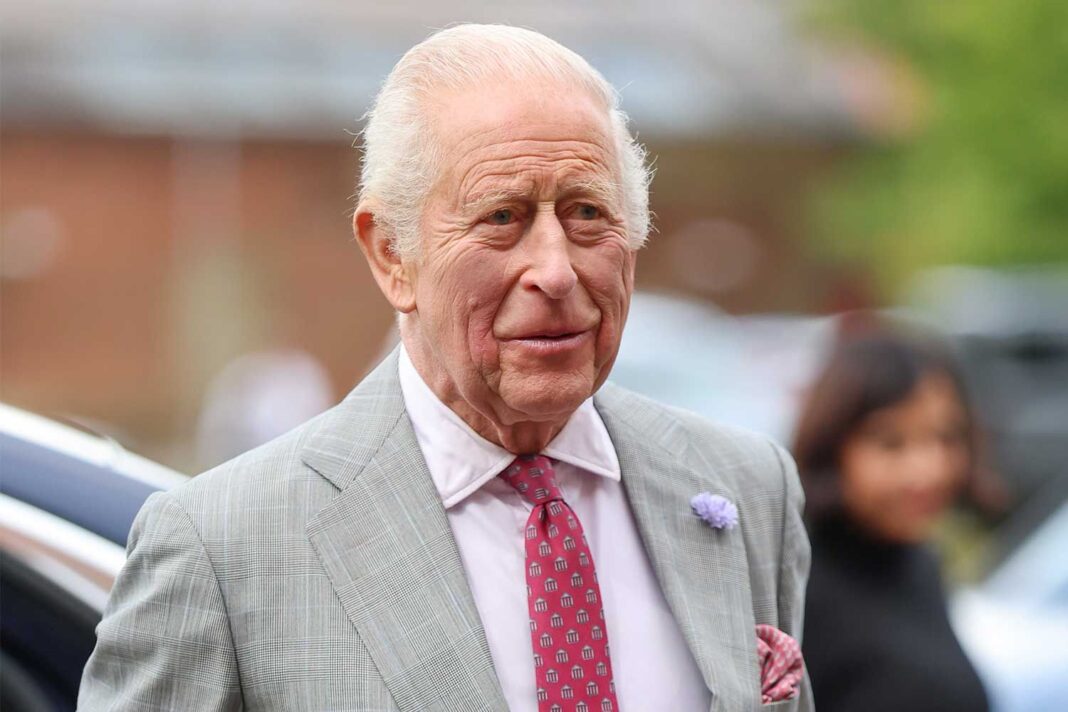
Birmingham, England – September 3, 2025 – King Charles III, 76, offered a notably candid update on his health, confirming he is “not too bad” as he continues his treatment for an undisclosed form of cancer. The monarch’s remarks came during a visit to officially open the new Midland Metropolitan University Hospital in Smethwick, Birmingham, an engagement originally postponed due to his own health setbacks earlier this year. His presence marked a significant moment, showcasing his ongoing dedication to public duty amidst his personal health battle.

King Charles III Provides Health Update During Hospital Opening
The King’s visit to the state-of-the-art medical facility saw him engage with clinical staff, volunteers, and, poignantly, several patients undergoing cancer treatment. It was during an interaction with Matthew Shinda, a 73-year-old prostate cancer patient, that the King provided a rare glimpse into his own condition. When asked about his recovery, His Majesty responded, “I’m not too bad,” a remark that quickly resonated across the nation.
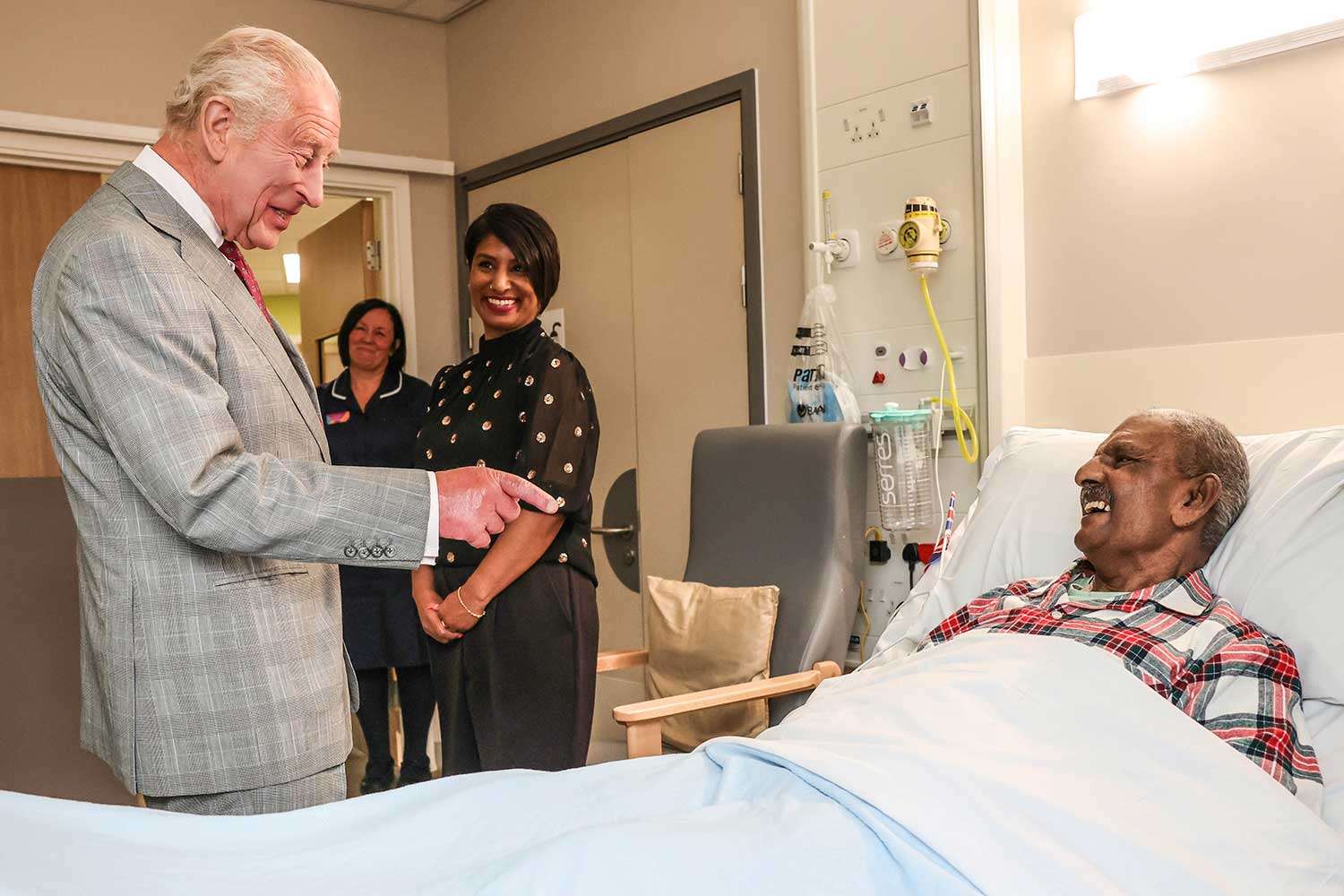
The conversation with Mr. Shinda delved deeper, touching upon the critical issue of early diagnosis. Mr. Shinda shared his frustrations regarding delays in receiving his prostate cancer diagnosis, to which the King responded empathetically, “I’m very sorry about that, it’s so frustrating.” He further reflected, acknowledging the challenges inherent in detection: “Half the problem is detecting it, isn’t it, in time. The great thing, I think, is they’re getting better and better at dealing with these things. The trouble is there’s always hope down the road.” This exchange underscored the King’s personal understanding of the complexities and emotional toll of a cancer diagnosis.
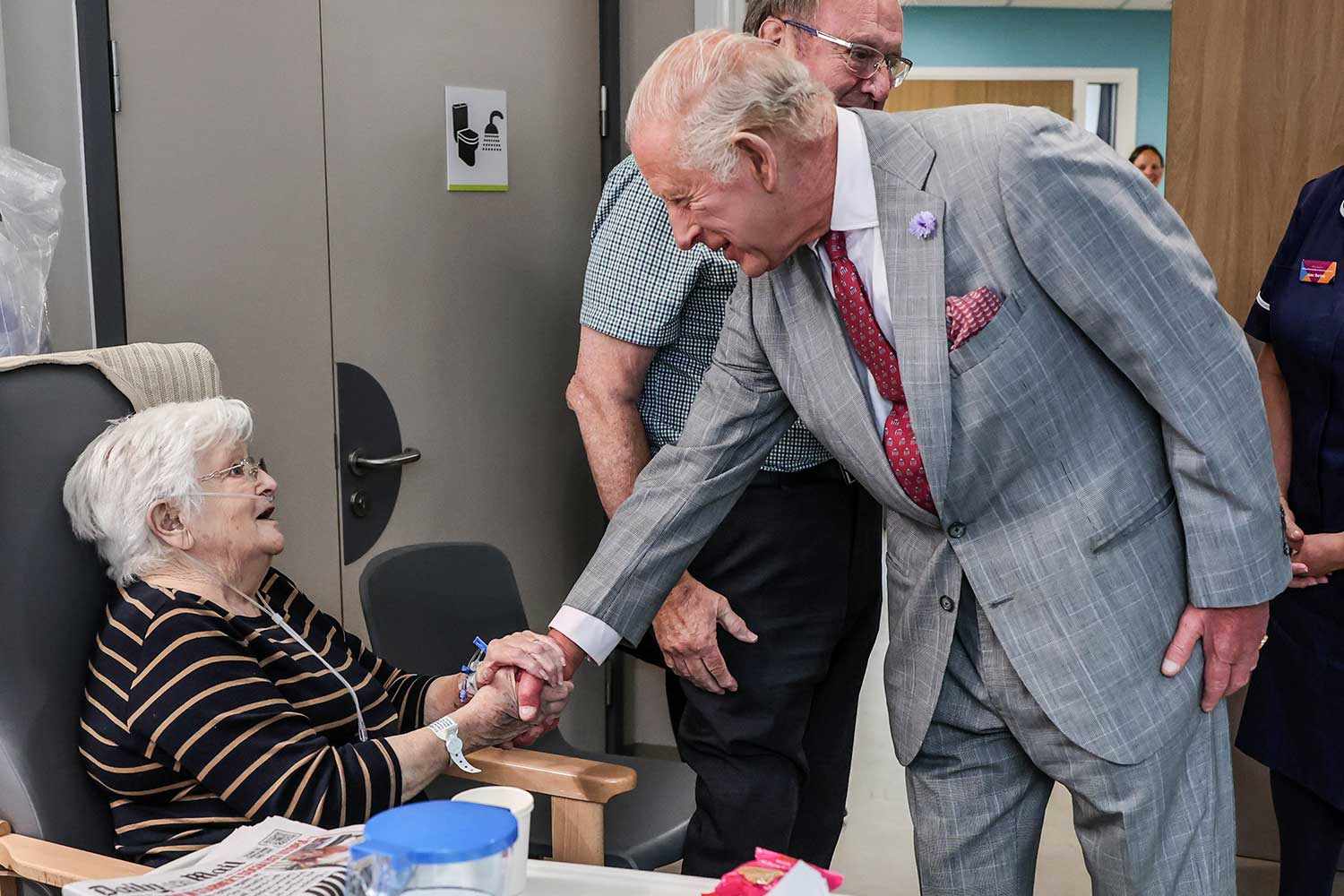
Later in his tour, while visiting an acute elderly care ward, the King met 85-year-old patient Jacqueline Page. When Ms. Page humorously told him she was “wearing out,” King Charles, who will turn 77 in November, replied with characteristic wit, “I know, this is the terrible thing, as I am discovering already. The bits don’t work so well when you get past 70.” His relatable humor provided a lighter moment amidst the serious context of his visit, connecting with patients on a human level.
A Shift in Royal Health Disclosures
King Charles’s openness about his health stands in contrast to previous royal traditions of maintaining privacy regarding personal medical matters. Buckingham Palace first announced his cancer diagnosis in February 2024. This followed a procedure in January 2024 to treat a benign enlarged prostate. Crucially, royal spokespeople clarified that the King does not have prostate cancer, though the initial procedure led to the discovery of his separate cancer. Following medical advice, the King postponed all public-facing duties for three months, dedicating himself to state business and official paperwork behind the scenes. He resumed public engagements in April 2024, with palace sources indicating that his cancer treatment would continue through the year.
Overcoming Setbacks: The Postponed Visit
The visit to the Midland Metropolitan University Hospital had been originally scheduled for March but was delayed after the King experienced an “adverse reaction” to his routine cancer treatment. On March 27, the palace confirmed he had been briefly hospitalized at The London Clinic for a short period of observation due to “temporary side effects.” Sources close to the palace described the incident as “the most minor bump in the road that’s very much heading in the right direction,” emphasizing the normal fluctuations in cancer treatment. The King swiftly resumed his duties the following week, maintaining a robust schedule.
Apologizing for the delay in his attendance, King Charles told hospital staff during his visit, “I’m sorry I didn’t get here a few months ago.” His unwavering commitment to his royal duties, even while navigating a significant health challenge, continues to be a source of public focus and admiration. His candid conversations at the Midland Metropolitan University Hospital underscore a more modern approach to royal health disclosures, offering a degree of transparency that resonates with many.