

CSX Merger Prospects Derailed as BNSF and CPKC Rule Out Acquisitions
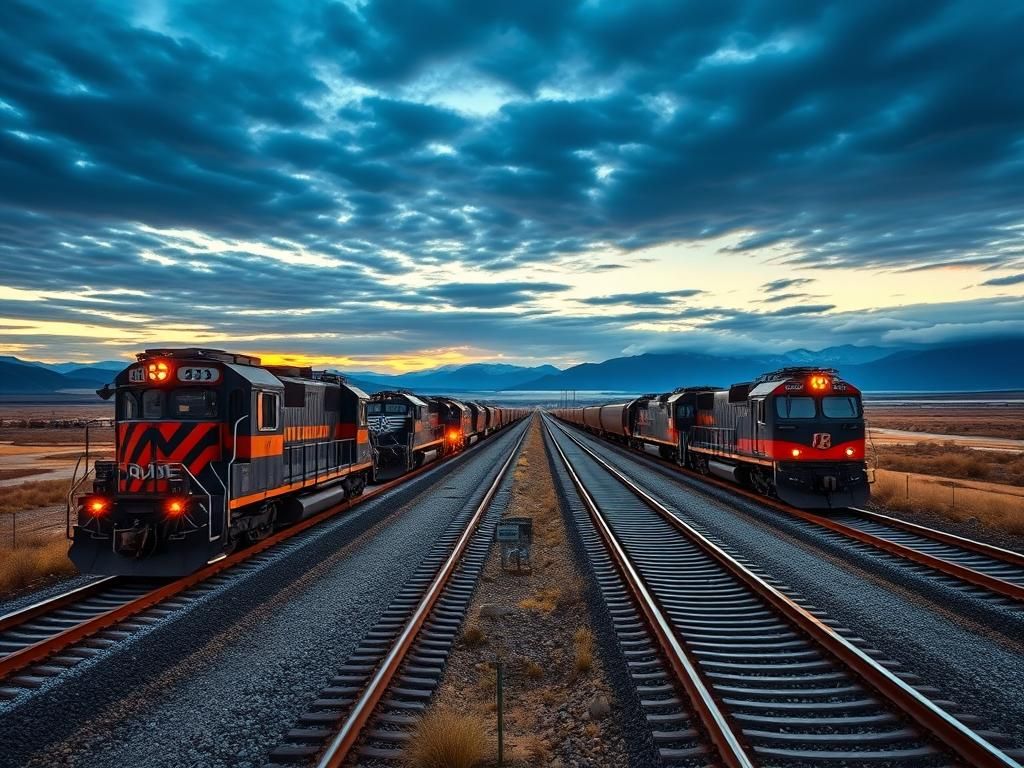
The highly anticipated wave of consolidation within the North American freight rail industry has hit a significant roadblock this week, as CSX Corporation’s prospects for a transformative merger evaporated. Both BNSF Railway and Canadian Pacific Kansas City (CPKC), considered CSX’s primary potential partners, have explicitly stated their disinterest in pursuing acquisition deals, sending a clear signal that major transcontinental mergers are not on the immediate horizon.
Investor Speculation and CSX’s Tumbling Shares
Investor speculation about CSX becoming an acquisition target intensified over the summer following rumors of merger talks between two other industry giants, Union Pacific and Norfolk Southern. The rationale was simple: facing the potential competitive challenge of an $85 billion nationwide railroad, CSX, one of the six remaining major freight railroads in North America, would need to scale up to compete effectively.
This speculation initially buoyed CSX’s stock, which nearly reached a new 52-week high of $37.25 last week. However, the optimism proved short-lived. By Tuesday, CSX shares had tumbled to $32.31 after it became evident that neither BNSF nor CPKC were engaging in merger discussions with the Jacksonville, Florida-based company.
Buffett and Creel Quash Acquisition Hopes
Warren Buffett, whose Berkshire Hathaway conglomerate owns BNSF, publicly quashed any notions of an acquisition on Monday. Despite sitting on a staggering $344 billion in cash after several years without a major acquisition, Buffett told CNBC that he is not interested in buying another railroad. He and Greg Abel, who will succeed Buffett as Berkshire CEO in January, recently met with CSX CEO Joe Hinrichs to discuss enhanced cooperation, but unequivocally ruled out a bid for CSX.
Similarly, CPKC CEO Keith Creel expressed strong reservations about further consolidation. CPKC itself was formed two years ago by the acquisition of Kansas City Southern, a deal that underwent a rigorous two-year review by the U.S. Surface Transportation Board (STB) — the first major rail merger in over two decades. Creel stated, “We believe that a transcontinental merger would trigger permanent restructuring of the industry and result in a disproportionately large railway whose size and scope would require others to take action. This will likely result in an unnecessary wave of railway mergers that today is not the best way to support American businesses nor the public interest, and has the potential to create more issues than it solves.”
Regulatory Scrutiny and Industry Shift Towards Cooperation
Indeed, the STB has maintained a high standard for rail mergers since 2001, a direct response to the prolonged disruptions and delayed shipments that followed major deals in the 1990s. Notably, the 1996 merger between Union Pacific and Southern Pacific led to extensive snarled traffic, and the 1999 divvying up of Conrail by Norfolk Southern and CSX also created severe backups in the East.
Instead of mergers, the industry appears to be prioritizing collaborative agreements to enhance service. Just last week, CSX and BNSF announced a significant agreement allowing seamless, coast-to-coast shipments without the traditional handoffs between carriers. This follows a similar deal struck last month between CPKC and CSX, aimed at streamlining shipments between Mexico, Texas, and the Southeast. These partnerships underscore a growing emphasis on operational efficiency and customer service improvement without the complexities and regulatory hurdles of full-scale mergers.
Investor Pressure on CSX
However, CSX faces pressure from investors like the Ancora Holdings fund, which earlier this month sent a letter to the CSX board urging them to quickly secure a deal with another railroad or consider replacing CEO Joe Hinrichs and implementing reforms to boost results. In response, CSX reiterated its commitment, stating that its board remains “laser focused on exploring any and all opportunities to enhance shareholder value, drive profitable growth and provide industry leading customer service,” echoing comments made by Hinrichs when the company reported earnings in July.
Note: No image links were provided in the prompt, therefore no images could be included in the blog post.