

From “Empire” Star to Accused Hoaxster: The Enduring Mystery of an Infamous Chicago Night and its Six-Year Aftermath
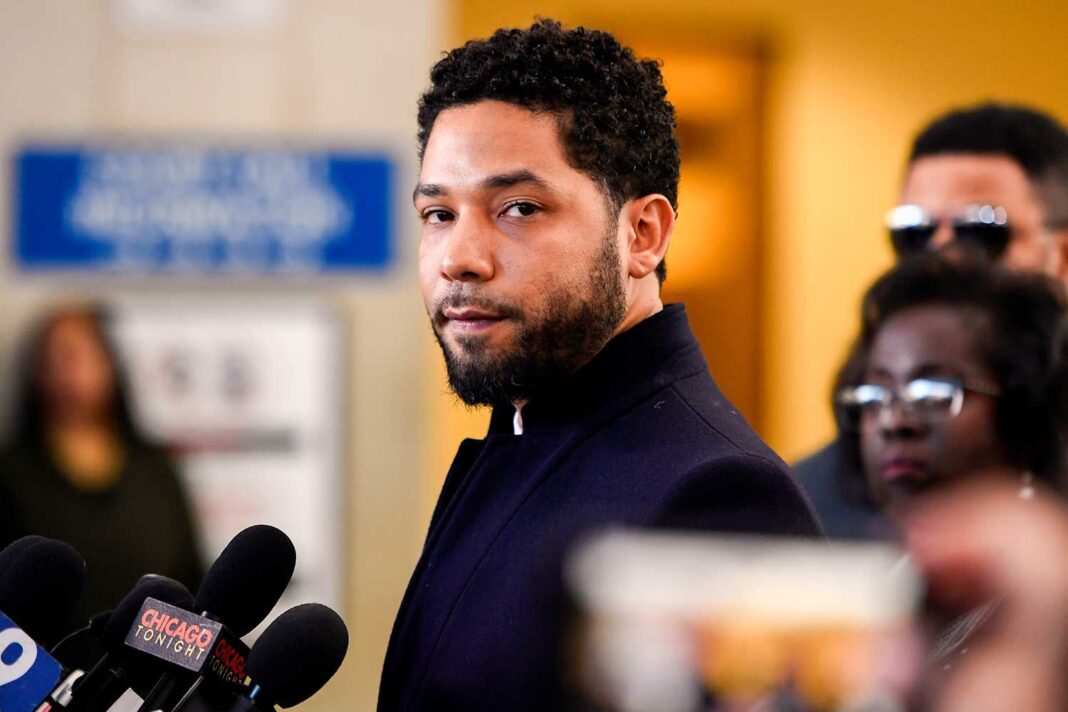
In January 2019, actor Jussie Smollett, then a prominent star on the hit Fox series Empire, alleged he was the victim of a brutal hate crime in Chicago. What began as an outpouring of public sympathy quickly devolved into a complex and polarizing legal saga, ultimately seeing Smollett convicted of disorderly conduct, a verdict that was recently overturned on procedural grounds in November 2024.
The Rise of a Star: Jussie Smollett’s Journey
Born on June 21, 1982, in Santa Rosa, California, Jussie Smollett began his acting career as a child, appearing in the 1992 film The Mighty Ducks and the short-lived ABC sitcom On Our Own. After a period focused on activism, his career experienced a significant resurgence with his role as Jamal Lyon, the gay son of music moguls Lucious and Cookie Lyon, in Lee Daniels’ Empire. The series, which premiered on January 7, 2015, propelled Smollett to national recognition, leading to a record deal with Columbia Records and even directing episodes of the show.
The Alleged Attack: A Claim of Hate and Violence
On January 22, 2019, Smollett received a racist and homophobic threatening letter at Fox Studios, prompting increased security on the Empire set. Just a week later, in the early hours of January 29, 2019, around 2 a.m., Smollett reported a harrowing attack. He claimed two masked men assaulted him as he walked home from a Subway sandwich shop in Chicago. According to Smollett, the attackers, whom he described as White, doused him with an unknown chemical, later identified as bleach, placed a rope around his neck, and hurled racist and homophobic slurs at him, including “This is MAGA country.” Smollett stated he was on the phone with his manager during the incident, and the assailants fled the scene. Upon arriving home, his manager called the police approximately 40 minutes after the alleged attack. Bodycam footage from responding officers showed Smollett still wearing the rope around his neck, and he reportedly asked the officers to turn off their cameras.
The Investigation’s Pivotal Turn: Suspicions Mount
Initially treated as a hate crime, the Chicago Police Department launched a high-profile investigation. However, the narrative shifted dramatically on February 13, 2019, when brothers Abimbola “Bola” and Olabinjo “Ola” Osundairo were arrested in connection with the attack. Just two days later, they were released without charges. The police investigation then took an unexpected turn, pivoting from searching for Smollett’s attackers to scrutinizing Smollett himself. The Osundairo brothers subsequently claimed that Smollett had orchestrated the entire incident, alleging he paid them to stage the attack for attention. They later sued Smollett’s attorneys for defamation.
Conflicting Accounts: Money, Motives, and DNA
Prosecutors alleged that Smollett had paid the Osundairo brothers $3,500 to stage the attack. They presented text messages between Smollett and Abimbola, including one that read, “Might need your help on the low. You around to meet up and talk face to face?” Further texts, according to prosecutors, directly referenced staging the attack, with instructions to avoid excessive harm and allow Smollett to appear to fight back. Smollett vehemently denied these claims, asserting that the $3,500 check was for Abimbola’s training services and an illegal herbal steroid to lose belly fat, which he claimed could be obtained in Nigeria. He also steadfastly maintained that his attackers were two White men, a claim corroborated by two witnesses, Anthony Moore, a hotel security guard, and a neighbor, who both described seeing a “pale” or “White man” near the scene. Notably, forensic analysis found two people’s DNA on the rope, neither of which matched the Osundairo brothers.
A Tumultuous Legal Road: Charges, Dismissals, and Reindictment
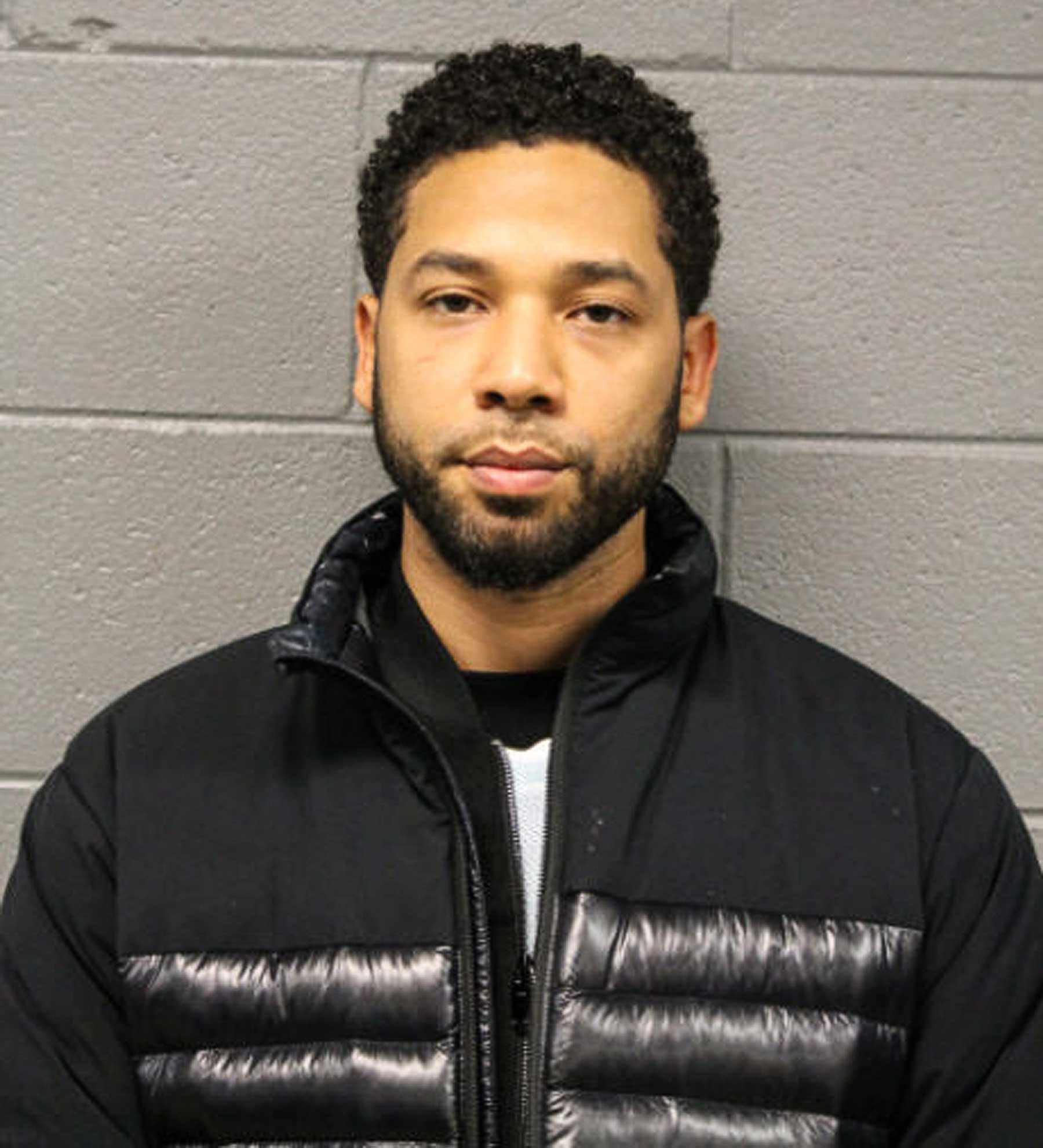
On February 21, 2019, Smollett turned himself in to police and was initially charged with 16 counts of disorderly conduct for allegedly filing false police reports. He pleaded not guilty.
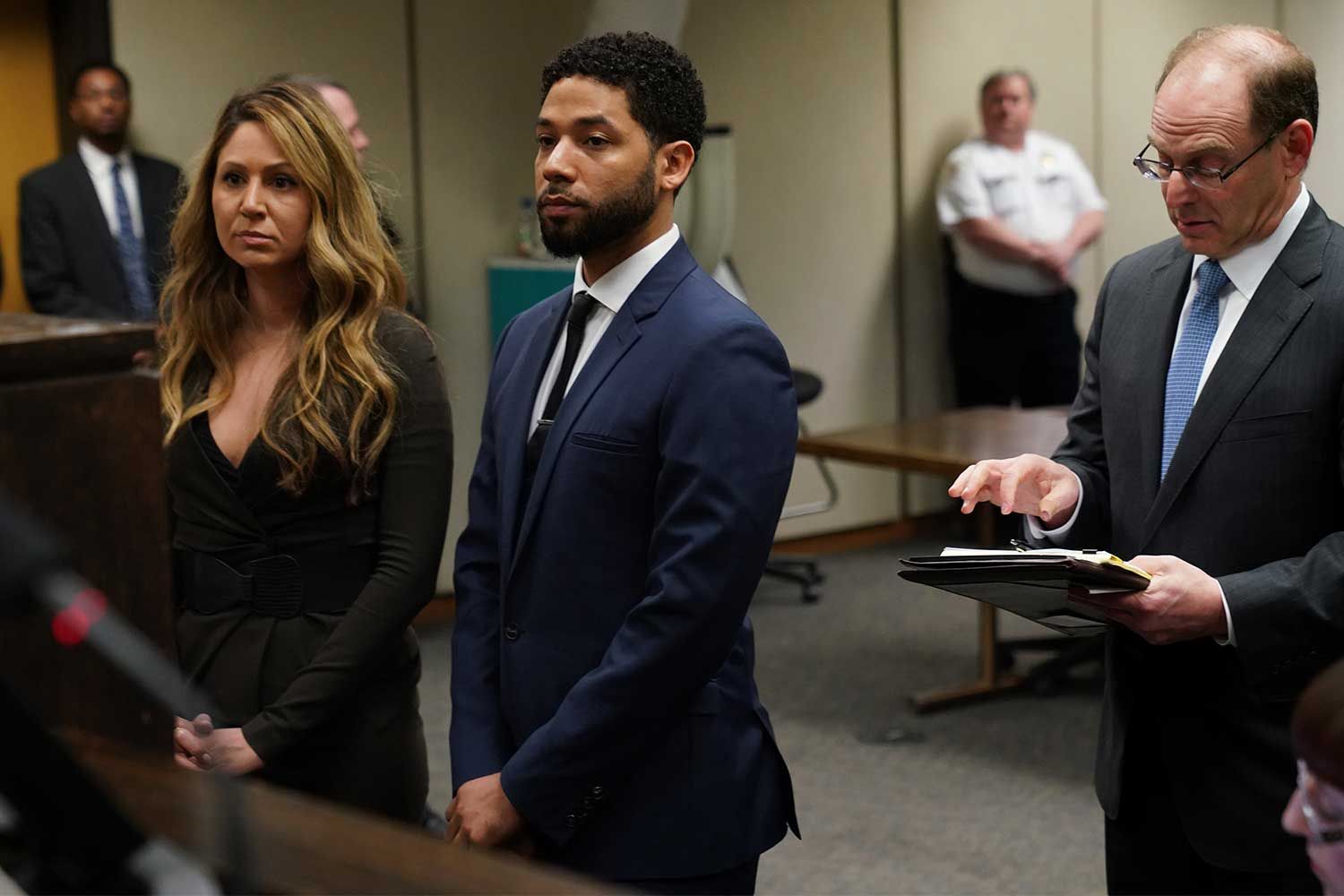
In a surprising development on March 26, 2019, prosecutors dropped all charges against him, citing Smollett’s forfeiture of his bond and performance of community service. This decision sparked significant public backlash.

Days later, the City of Chicago demanded Smollett pay over $130,000 to cover police overtime and investigation costs, formally suing him for the sum in April 2019. Smollett filed his own countersuit in November 2019. In August 2019, a special prosecutor, Dan Webb, was appointed to investigate the circumstances surrounding the dismissal of the initial charges. This led to a grand jury indictment in February 2020, charging Smollett with six new counts of disorderly conduct for allegedly filing false reports, to which he again pleaded not guilty.
Trial, Conviction, and a Dramatic Sentence
Smollett’s trial began in November 2021, culminating in his testimony in his own defense. After more than nine hours of deliberation, a jury on December 9, 2021, convicted Smollett on five of the six counts of disorderly conduct. On March 10, 2022, Cook County Judge James Linn sentenced Smollett to 30 months of felony probation, with the first 150 days to be served in jail. He was also ordered to pay a maximum fine of $25,000 and over $120,000 in restitution to the City of Chicago.
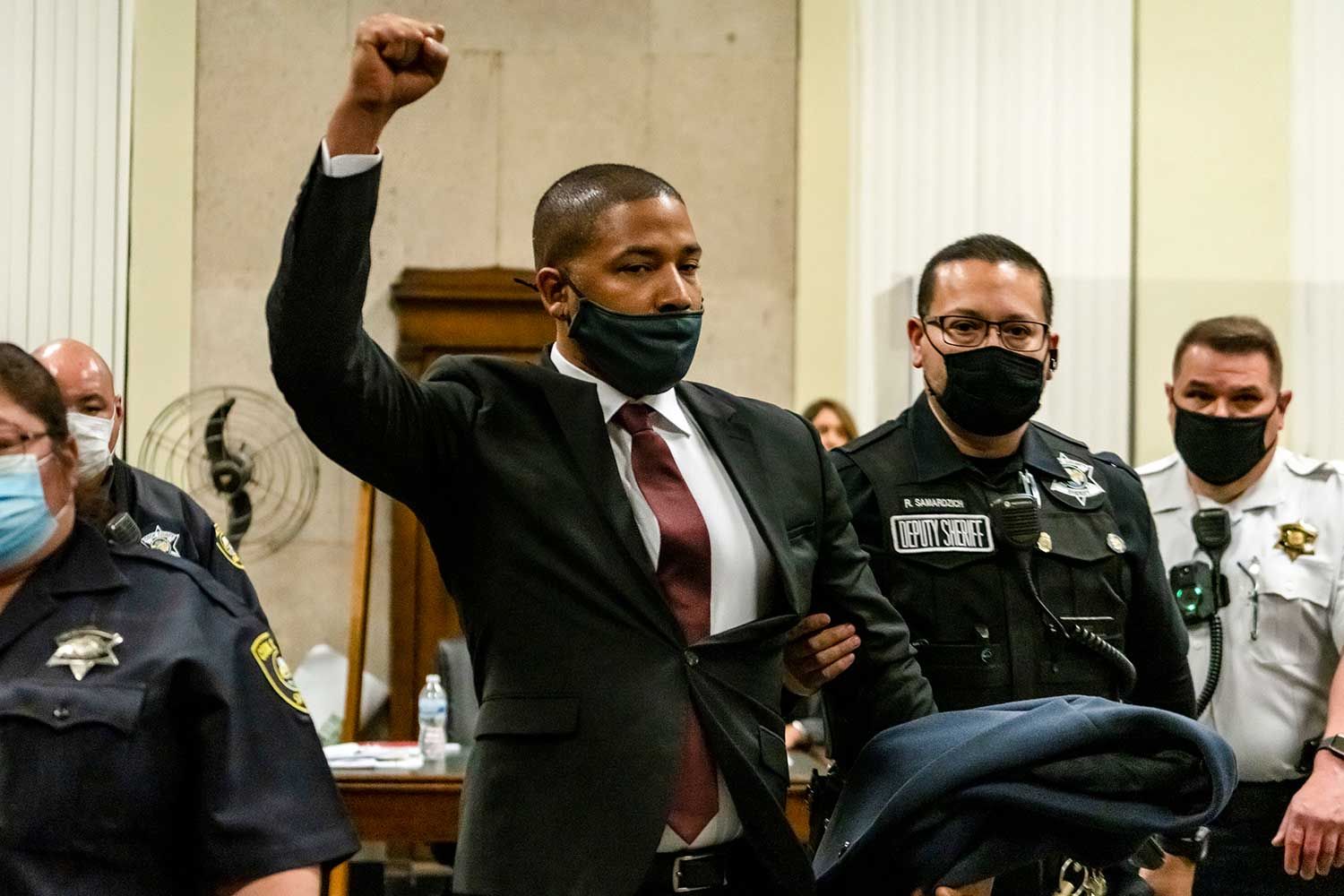
As he was being led out of the courtroom, Smollett dramatically declared, “I am not suicidal, and if anything happens to me when I go [to jail], I didn’t do it to myself and you must all remember that.” He was released from jail after serving only six days of his sentence, as his legal team successfully appealed for his release due to the non-violent nature of his offenses.
The Overturned Conviction and Final Settlement
The lengthy legal battle took another turn on November 21, 2024, when the Illinois Supreme Court overturned Smollett’s conviction. The court cited a violation of Smollett’s rights, arguing that the special prosecutor pursued charges after they had initially been dropped. Special prosecutor Dan Webb clarified that this decision had “nothing to do with Mr. Smollett’s innocence” and that the court found no errors in the evidence presented at his trial. Smollett’s attorneys characterized the trial as “vindictive prosecution.” In May 2025, Smollett announced on Instagram that he had reached a settlement with the City of Chicago, which included a $50,000 donation to the Building Brighter Futures Center for the Arts and an additional $10,000 to the Chicago Torture Justice Center.
Smollett’s Unwavering Stance: Innocence Maintained
Throughout the entire ordeal, Jussie Smollett has consistently maintained his innocence. He revealed to Entertainment Tonight that he spent a staggering $3 million attempting to legally clear his name. In September 2024, he reflected on his situation, acknowledging his privilege in having the resources to defend himself, unlike many others. “I’m not going to sit here and victimize myself and be like ‘Woe is me,’ because there’s so many people that don’t have the platform or the resources that I have to protect themselves,” Smollett stated. He continues to assert that he is “blessed to continue on and make films and make music and do the things that I was put down here by God to do,” despite the enduring controversy surrounding the January 2019 incident.