

CFPB Halts Credova Probe, Citing Political Bias and ‘Weaponization’
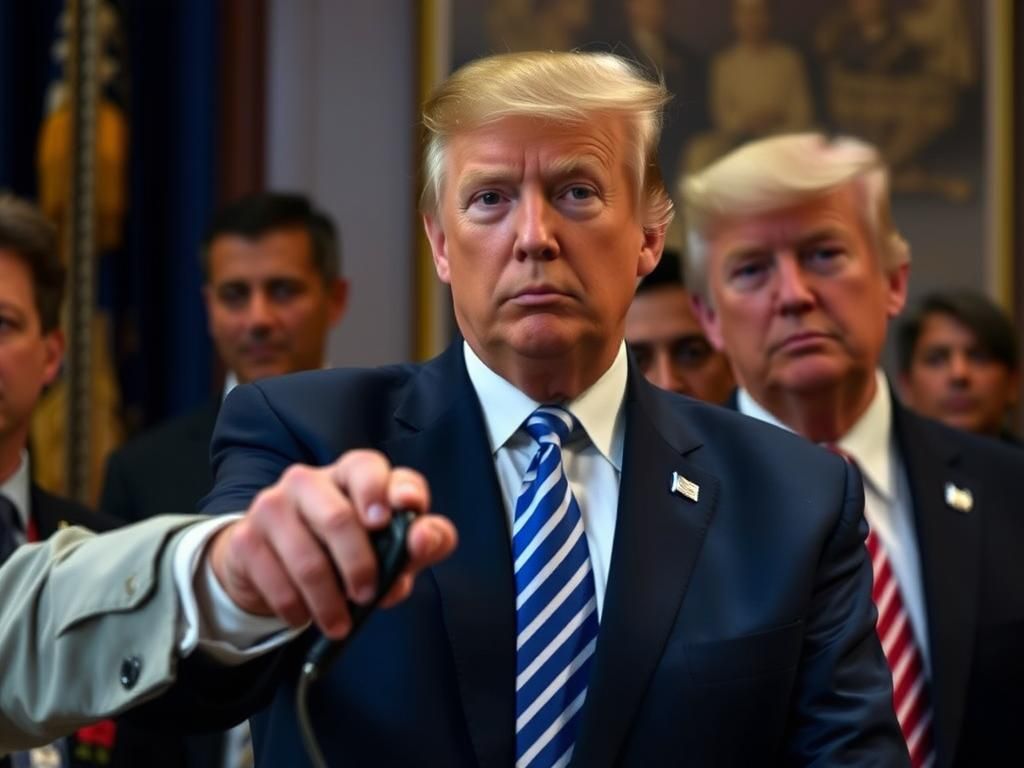
WASHINGTON (AP) — The Consumer Financial Protection Bureau (CFPB) has abruptly dropped an investigation into Credova Financial, a “buy now, pay later” company with strong ties to Donald Trump Jr. The consumer watchdog agency, now under new acting leadership, has attributed the halt to political bias, claiming the probe was initiated during the Biden administration with undue prejudice against firearms companies and Trump Jr.
The Investigation and Allegations of Bias
In a formal notification to Credova Financial on Tuesday, the CFPB declared that the investigation, which commenced during President Joe Biden’s term, “exemplifies the type of weaponization against disfavored industries and individuals.” This move aligns with a broader agenda under the CFPB’s acting director, Russell Vought, aimed at rolling back previous administrations’ rulemaking and enforcement actions. The agency specifically alleges that settlement demands against Credova escalated significantly on the very day, December 2024, that Trump Jr. joined Public Square’s board of directors. Former CFPB employees from the Biden era have declined to comment on the decision, citing restrictions on discussing ongoing investigations.
Credova Financial: Business Model and Trump Jr.’s Connection
Credova Financial, a subsidiary of Public Square Holdings, provides financing for a diverse range of products, including firearms and even family pets, primarily catering to conservative-leaning customers. Donald Trump Jr. plays a significant role within Public Square, serving as a board member and investor. His firearms marketplace, GrabAGun, which went public earlier this year, notably utilizes Credova’s “buy now, pay later” services.
A History of Controversies and Consumer Issues
Despite the CFPB’s recent decision, Credova Financial’s operational history is not without controversy. The company has faced numerous accusations of consumer protection violations and has been subject to multiple state-level settlements:
- In 2021, Credova, alongside another Nevada-based firm, settled with the Massachusetts Attorney General’s office. The settlement involved waiving over $126,000 in customer balances, resolving allegations that the companies illegally leased dogs, a practice deemed a violation of the Massachusetts Consumer Protection Act.
- More recently, in January 2024, the California Department of Financial Protection and Innovation issued a consent order against Credova, imposing a $50,000 penalty for the firm’s failure to adequately disclose potential third-party convenience fees to consumers.
Beyond these official actions, public databases reveal a consistent pattern of consumer dissatisfaction. Over 50 complaints have been filed directly against Credova with the CFPB, many detailing aggressive debt collection practices. Furthermore, the Better Business Bureau database records 134 complaints against the company over the past three years, with 21 resolved in the last 12 months. A significant portion of these complaints consistently points to customers being charged undisclosed “junk fees.”
Donald Trump Jr.’s Financial Stake and Denial of Influence
Donald Trump Jr.’s financial stake in Public Square (PSQ Holdings) is substantial, with him owning 697,403 shares valued at approximately $1.1 million. Despite these clear business ties, Andy Surabian, a spokesman for Trump Jr., vehemently denied any involvement in the investigation’s closure. Surabian characterized the suggestion of his influence as a “classic cheap media tactic” lacking evidentiary support.
Critics Voice Skepticism and Concern
Critics, however, view the CFPB’s decision with deep skepticism. Donald Sherman, executive director and chief counsel of Citizens for Responsibility and Ethics in Washington (CREW), described the dropping of the case as “emblematic of the toxic stew of corruption.” Sherman argued that the situation highlights not only a company’s ties to the president’s son, who, along with his father, has sought to “monetize and profit off of the presidency at every step of the way,” but also a broader trend of the current administration using federal law enforcement to favor political allies and disadvantage perceived adversaries.
Implications for Regulatory Impartiality
The abrupt termination of this investigation underscores the ongoing debate regarding the impartiality of regulatory agencies and the influence of political appointments on enforcement priorities. This is particularly concerning when companies with documented consumer issues are involved, raising questions about accountability and consumer protection in a politically charged environment.