


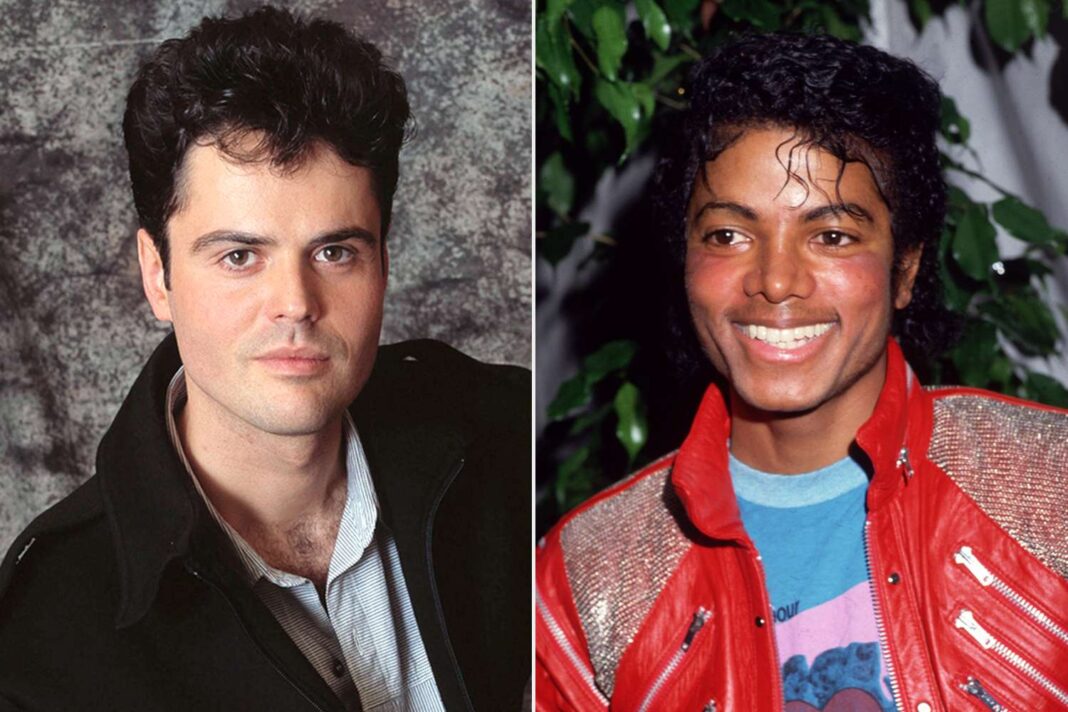
Donny Osmond Reveals Michael Jackson’s “Offensive” Advice That Saved His Career
In a candid revelation, veteran entertainer Donny Osmond recently shed light on the jarring yet ultimately instrumental advice he received from Michael Jackson in the mid-1980s, a period when Osmond desperately sought to reinvent his music career. The King of Pop’s blunt counsel, initially perceived as “very offensive,” proved to be a pivotal factor in Osmond’s surprising resurgence with his 1989 hit single, “Soldier of Love.”
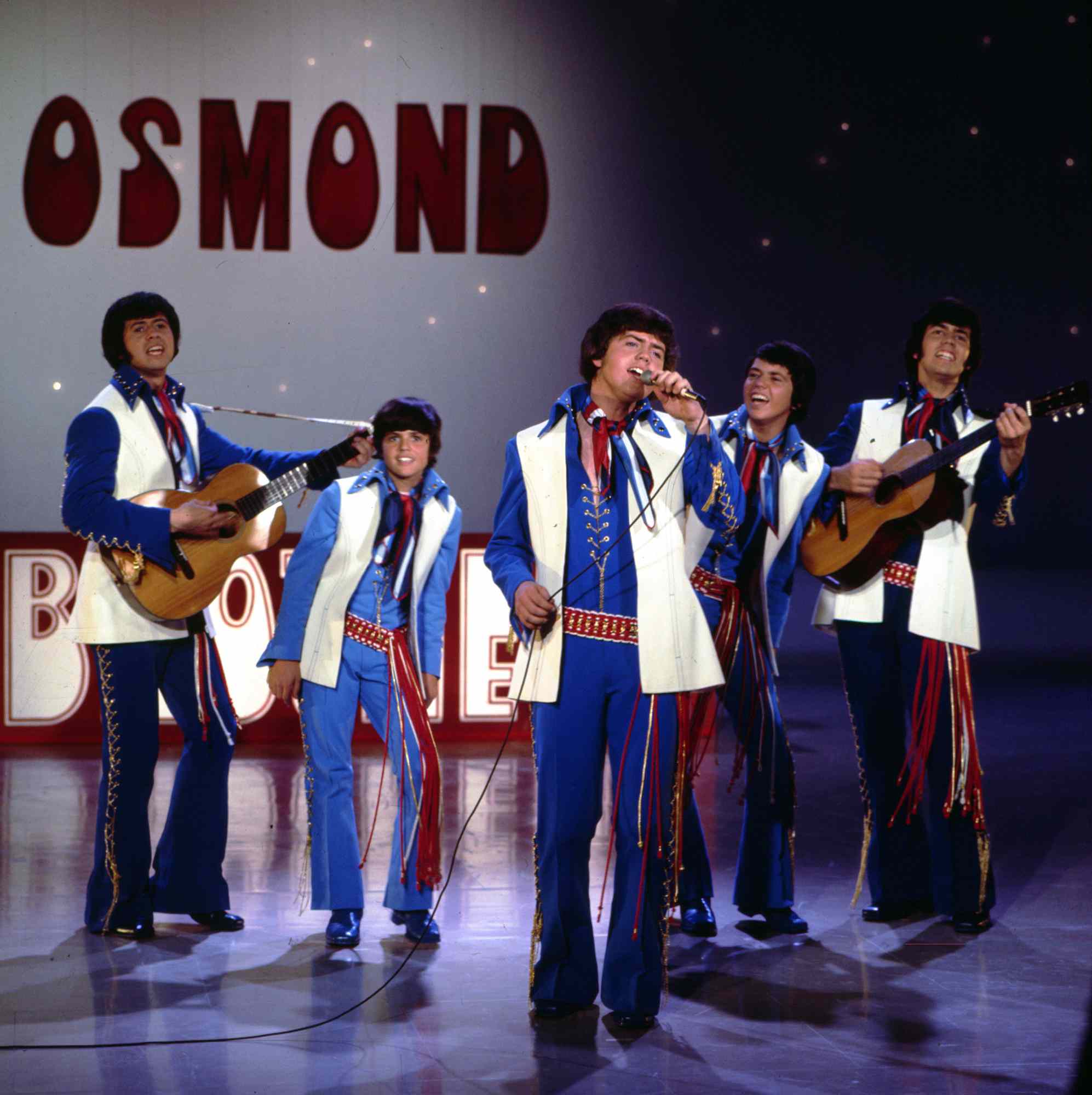
Osmond, now 67, rose to prominence in the 1970s as a beloved teen idol, first as a key member of the family group The Osmonds – alongside brothers Alan, Wayne, Merrill, and Jay, and later sister Marie – and then through a flourishing solo career, culminating in the highly popular variety series Donny & Marie. However, as he matured, transitioning from the saccharine pop of his youth to a more adult sound proved to be a formidable challenge. “The name Donny Osmond was a joke, years ago,” Osmond lamented in a recent clip from The Adam Carolla Show shared on July 30. He recalled the industry sentiment: “If you said you like Donny Osmond music, you were ousted.”
This image problem came to a head around 1983 when Osmond found himself seeking guidance from a contemporary who had navigated a similar transition with unprecedented success: Michael Jackson. Jackson, who had just departed his own family act, The Jackson 5, was at the zenith of his global fame following the monumental success of his 1982 album, Thriller, which would go on to sell an estimated 70 million copies worldwide, making it the best-selling album of all time. Osmond recounted his direct plea to Jackson: “Mike, how do I get back on the charts?”
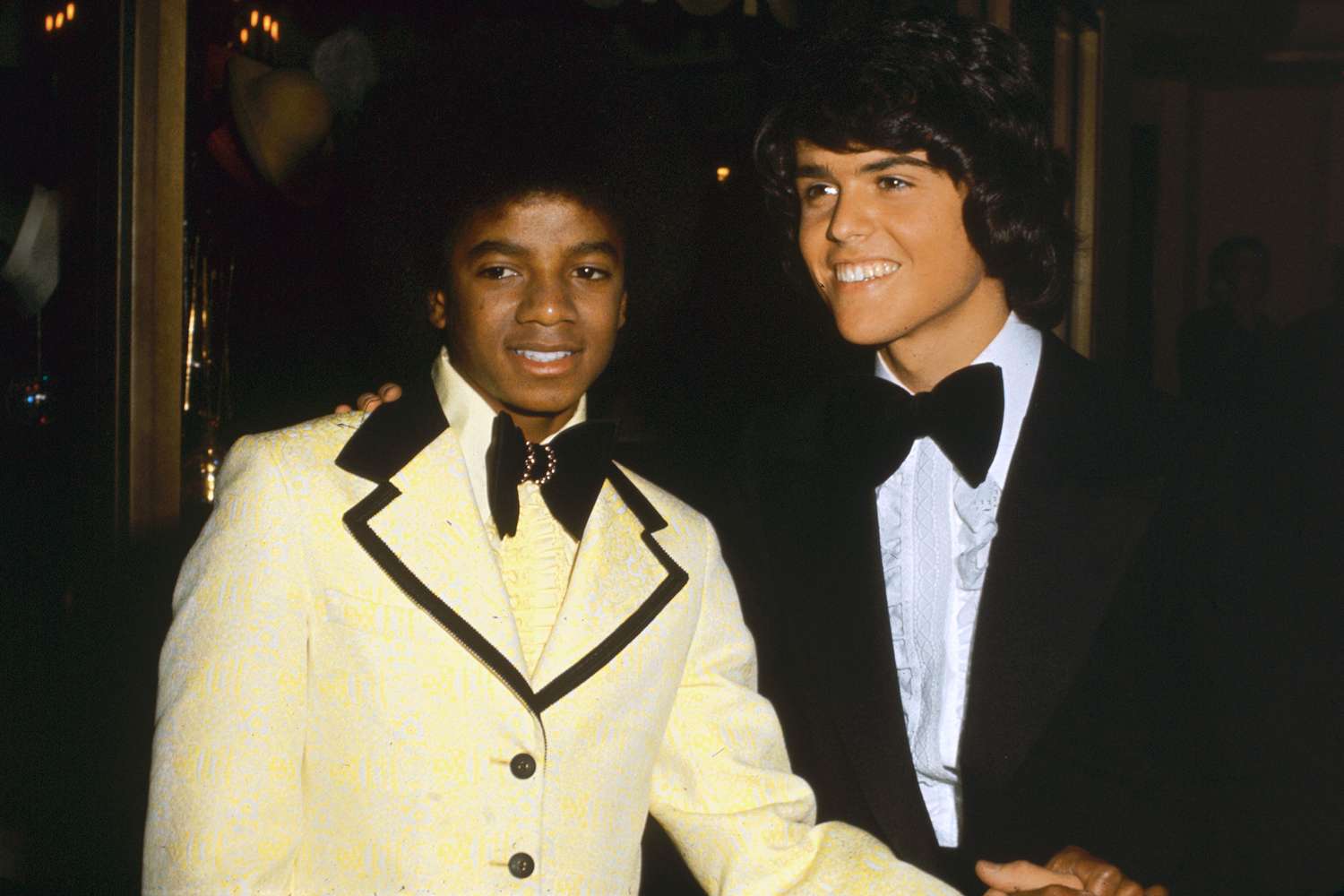
Jackson’s response was unsparing. “He said, ‘Your name’s poison, Donny. You gotta change your name,'” Osmond recalled, initially reacting with a mix of shock and humor. “It was very offensive,” he admitted, “It was tough to hear that.” Yet, the painful truth embedded in Jackson’s words would soon be validated.
The testament to Jackson’s controversial advice came with the unlikely success of “Soldier of Love.” Released in 1988, the track featured more mature lyrics and a distinct disco-infused beat, a stark departure from Osmond’s earlier bubblegum pop. Lacking a U.S. record deal at the time, the song was initially an import. However, a dedicated fan took matters into their own hands, sending a cassette of “Soldier of Love” to WPLJ, a prominent radio station in New York City. The station, intrigued by the song’s undeniable appeal but wary of the public perception of Donny Osmond, decided to play it anonymously. “They played the record to test it because they liked the song,” Osmond explained, “but they just didn’t want to say my name.”
This stealth strategy proved ingenious. Listeners embraced the song, propelling it up the charts. Only after it gained significant traction did the radio stations reveal the artist’s true identity. “And they did me a favor by not saying who I was, and it became a hit. Then they found out it was me,” Osmond stated, acknowledging the irony of the situation. “Soldier of Love” soared to No. 2 on the Billboard Hot 100, marking his sixth and, to date, last top 10 hit. The success paved the way for his 1989 self-titled album, Donny Osmond, his first since 1977’s Donald Clark Osmond, which also spawned another top 20 hit, “Sacred Emotion” (No. 13). His last significant chart entry was 1990’s “My Love Is a Fire,” which peaked at No. 21.
Beyond chart success, Osmond’s career has demonstrated remarkable longevity and versatility. He lent his singing voice to Captain Li Shang in Disney’s beloved 1998 animated film Mulan and starred in the stage production of Joseph and the Amazing Technicolor Dreamcoat in 1999. For 11 years, he enjoyed a highly successful residency in Las Vegas with his sister Marie, and just last year, he returned to the stage as the Pharaoh in Joseph at the Edinburgh Playhouse.
The profound connection between Osmond and Jackson extended far beyond shared professional advice. As detailed in the documentary Larger than Life: Reign of the Boybands, Osmond highlighted the “uncanny” similarities between their two families. Both the Osmonds and the Jackson 5 comprised nine children. Remarkably, both Donny and Michael were the seventh children born into their respective families, their mothers shared the same birthday, and the two music legends were precisely the same age. Osmond also noted the parallel work ethics instilled by their fathers, George Osmond and Joe Jackson. This deep, shared understanding forged an unparalleled bond. “Michael said something to me one day, and he said, ‘Donnie, you’re the only person on this planet that knows what my childhood is like,'” Osmond shared, underscoring the unique empathy they held for one another until Jackson’s passing in 2009 at age 50.