

Berkshire Hathaway Invests Heavily in UnitedHealth Amidst Challenges
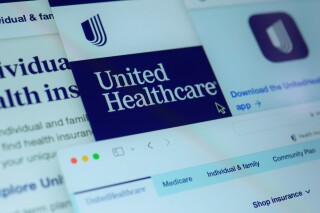
NEW YORK – Shares of UnitedHealth Group surged over 12% in premarket trading Friday following the disclosure that Warren Buffett’s Berkshire Hathaway Inc. acquired a significant stake in the embattled healthcare giant during the last quarter. This strategic investment, valued at approximately $1.57 billion and comprising around 5 million shares, comes at a pivotal time for UnitedHealth, which has been grappling with a series of federal investigations and operational challenges.
Berkshire Hathaway’s latest regulatory filing revealed the unexpected purchase, immediately capturing the attention of investors who closely scrutinize Buffett’s investment decisions. While Buffett, the legendary “Oracle of Omaha,” is slated to retire as CEO at the end of the year after six decades at the helm, it remains unclear whether he personally directed this specific investment or if it was handled by his portfolio managers, Ted Weschler or Todd Combs, who typically oversee smaller portfolios.
UnitedHealth Under Scrutiny
The investment by Buffett’s conglomerate injects a new dynamic into UnitedHealth’s challenging period. The company, which operates one of the nation’s largest health insurance and pharmacy benefits management businesses, has recently become the subject of intense federal scrutiny. Last month, UnitedHealth confirmed its cooperation with both federal criminal and civil investigations concerning its market-leading Medicare Advantage (MA) business. These investigations reportedly involve allegations of civil fraud and potential criminal health care fraud.
Reports from The Wall Street Journal have shed light on the nature of these probes, indicating a focus on how the company records patient diagnoses. Federal officials are examining whether UnitedHealth’s practices for gathering diagnoses, reportedly involving the use of doctors and nurses, were aimed at bolstering payments from its Medicare Advantage plans. Medicare Advantage plans are private versions of the government’s Medicare coverage program, primarily for individuals aged 65 and over.
Operational Headwinds and Leadership Changes
Beyond regulatory concerns, UnitedHealth’s UnitedHealthcare business, which provides coverage to over 8 million individuals in its Medicare Advantage plans, has faced considerable pressure. Rising healthcare utilization rates and adverse rate cuts have impacted its financial performance in recent quarters.
The company has also endured a series of high-profile setbacks. In December, Brian Thompson, the CEO of UnitedHealthcare, was tragically shot and killed in midtown Manhattan en route to the company’s annual investor meeting. A suspect, Luigi Mangione, has since been charged in connection with the fatal shooting.
Earlier this year, the company revised its financial outlook downwards in April due to an unexpected spike in healthcare service utilization. This was followed by the resignation of former CEO Andrew Witty in May, at which point UnitedHealth withdrew its full-year forecast entirely, citing higher-than-anticipated medical costs associated with new Medicare Advantage members.
A Vote of Confidence?
Despite UnitedHealth’s stock having lost roughly half its value over the past year amidst these various challenges, Berkshire Hathaway’s significant investment is being interpreted by many as a potential vote of confidence from one of the world’s most revered investors. Berkshire Hathaway, based in Omaha, Nebraska, boasts a diverse portfolio of companies across various sectors, including insurance (Geico), railroads (BNSF), utilities, manufacturing, and consumer brands like See’s Candy and Dairy Queen. This latest move adds a major healthcare insurer to its sprawling investment empire.