


President Trump’s Federal Intervention: A Challenge to D.C. Self-Governance
Washington D.C. — President Donald Trump dramatically escalated his conflict with the Washington D.C. local government on Monday, August 11, 2025, announcing an unprecedented move to seize direct control of the Metropolitan Police Department (MPD) and deploy National Guard troops across the U.S. capital. This aggressive federal intervention, declared during a press conference at the White House, places Attorney General Pam Bondi’s Justice Department in charge of the city’s police force, a significant shift that bypasses local authority.
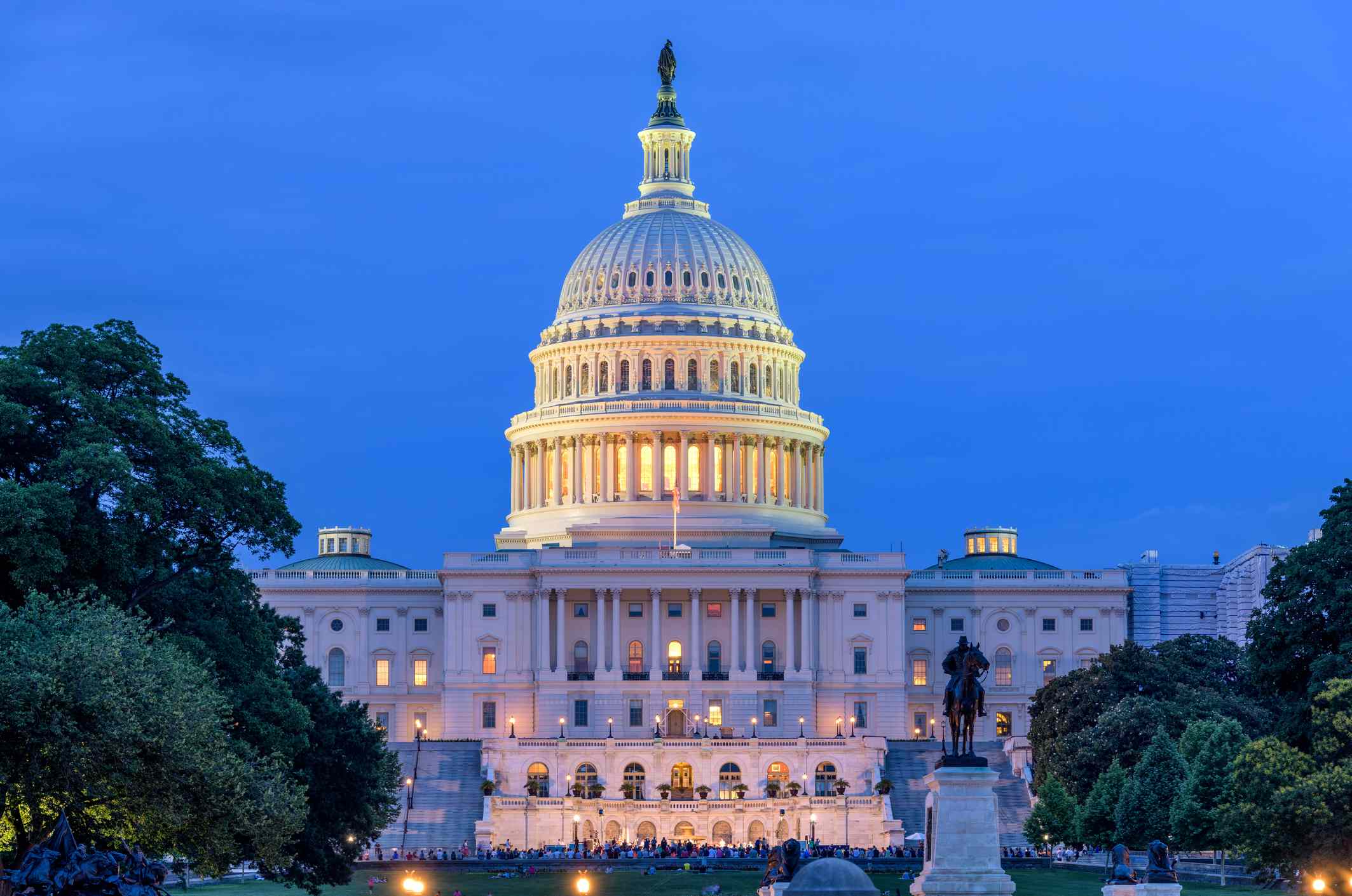
During the announcement, President Trump formally declared a “public safety emergency,” framing his actions as essential to combat crime and address the city’s homeless population. “It’s embarrassing for me to be up here,” he stated, expressing his dissatisfaction with the capital’s condition. “I don’t like being up here talking about how unsafe and how dirty and disgusting this once-beautiful capital was.”
However, Trump’s pronouncements contradict official local crime data, which indicates a substantial decline in criminal activity over the past eighteen months. Specifically, violent crime in Washington D.C. has reportedly fallen by 26% in 2025 compared to the previous year. Despite these figures, the President asserted, without presenting any evidence, that official crime statistics had been manipulated to conceal the true extent of the city’s public safety challenges.
This latest action builds upon President Trump’s long-standing interest in federalizing the D.C. government, a controversial proposition that would effectively strip the city of its current limited powers of self-governance. Under the D.C. Home Rule Act of 1973, residents gained the right to elect their own mayor and council members, a marked improvement from the prior system where the city was administered by a panel of commissioners appointed by the President. While the “home rule” afforded greater representation to the city, Congress has always retained substantial oversight over D.C.’s legislative affairs and budget, highlighting the capital’s unique and often contested semi-autonomous status. The new federal takeover of the MPD represents a significant challenge to this established framework and is expected to ignite further debate over Washington D.C.’s right to self-determination.