


The Royal Enigma: Did Queen Elizabeth II and the Queen Mother Hold an ‘Exorcism’ at Sandringham?
A mysterious ceremony reportedly took place at the Norfolk estate in 2000, prompted by staff accounts of unexplained phenomena in a room with a somber history.
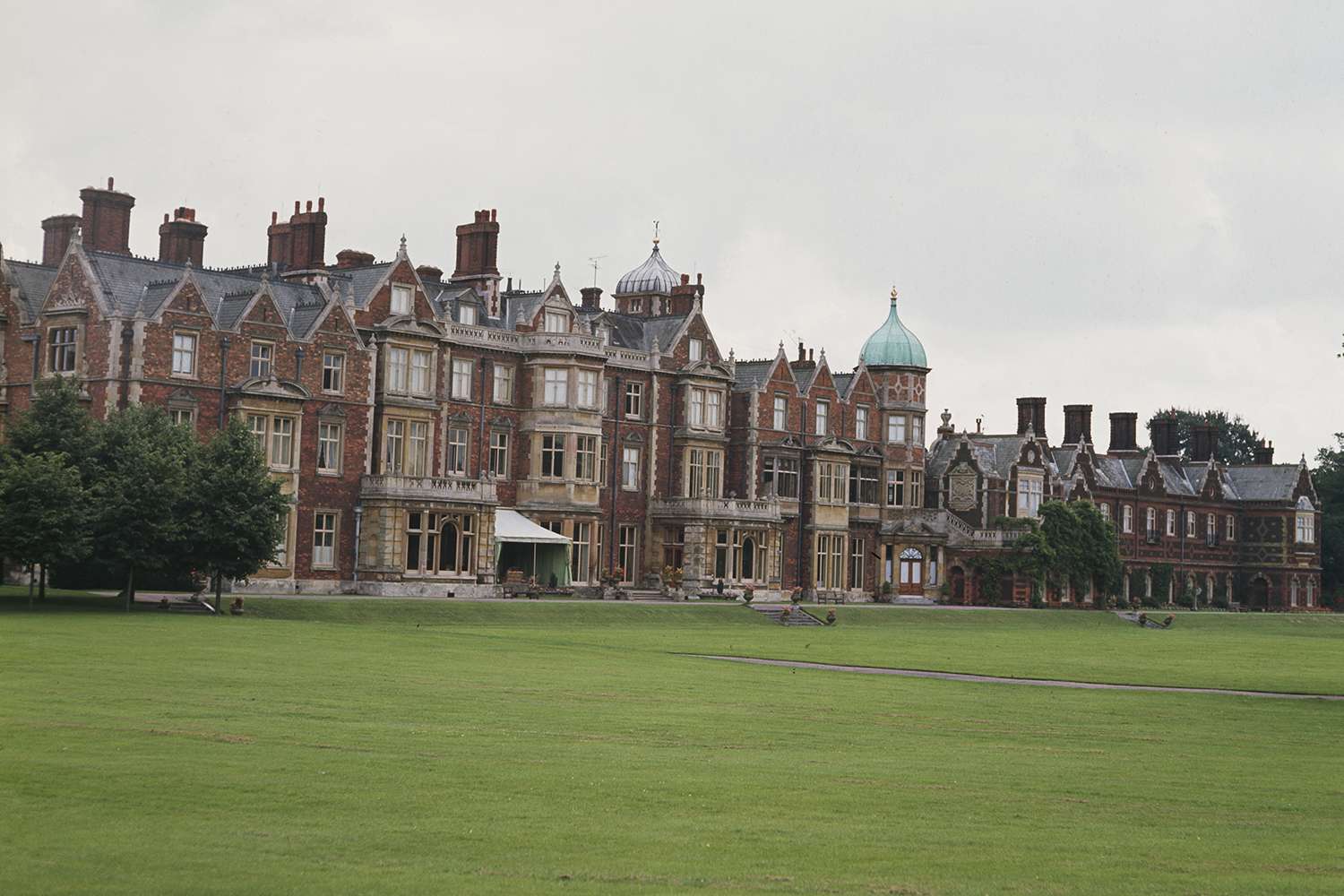
The hallowed halls of Sandringham House, the beloved Norfolk estate where the British Royal Family traditionally spends their Christmas and New Year holidays, hold more than just centuries of history and festive traditions. According to whispers from royal circles and documented accounts, the sprawling residence was once the setting for a highly unusual “spiritual ceremony” in the year 2000, involving none other than Queen Elizabeth II and her mother, Queen Elizabeth The Queen Mother. The event, often sensationalized as an “exorcism,” was reportedly a direct response to unsettling reports from palace staff of strange and inexplicable paranormal activity.
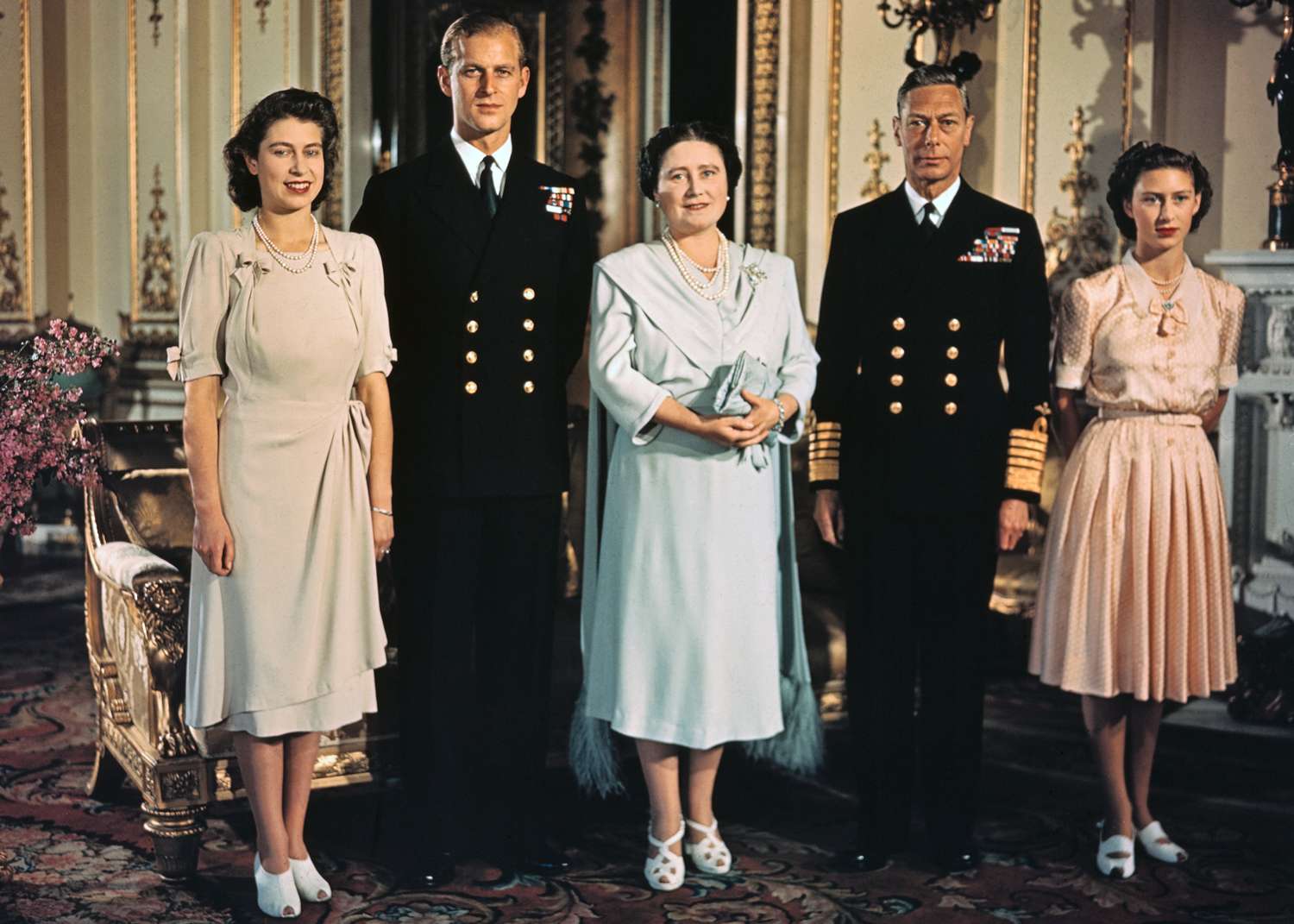
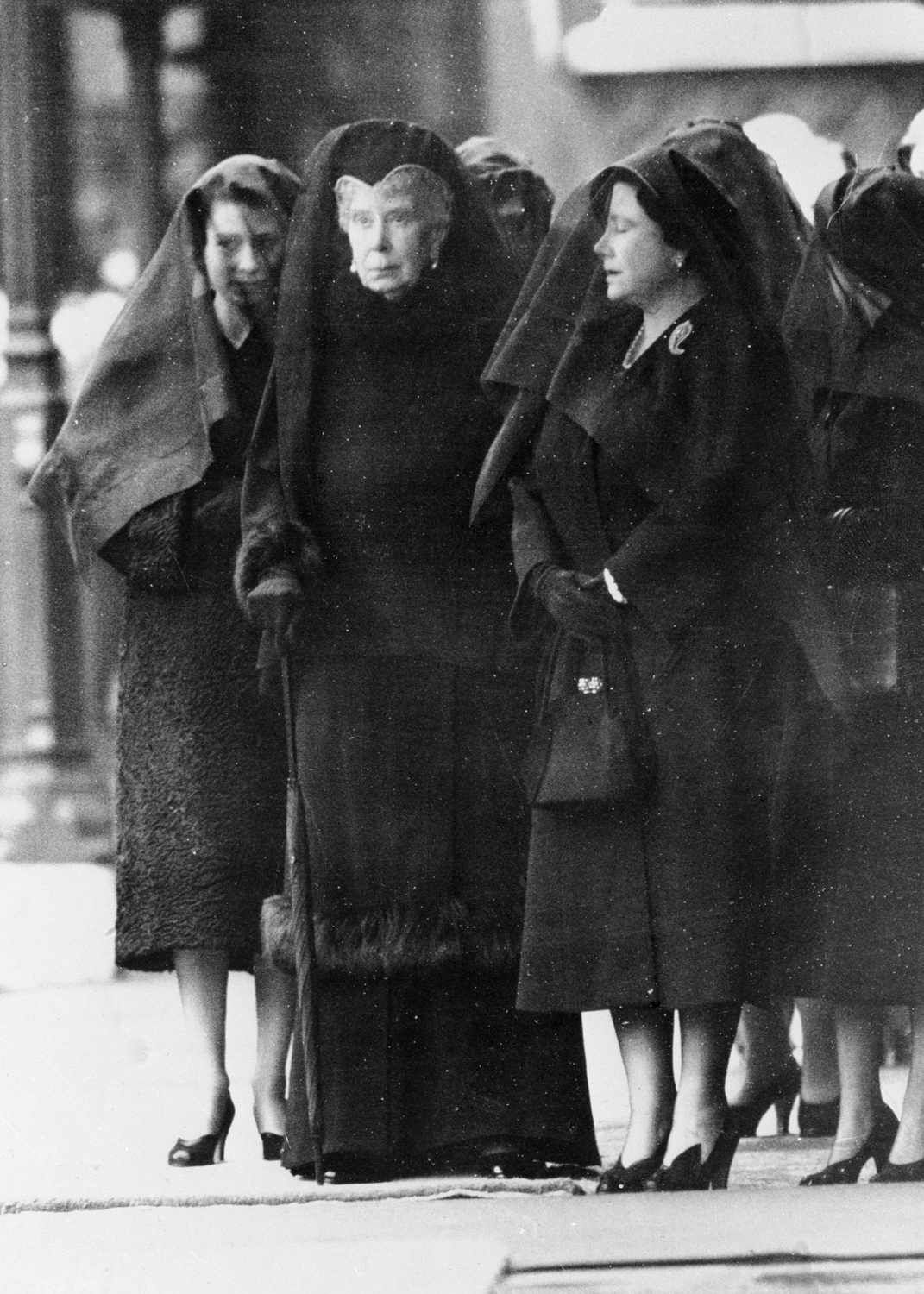
The unsettling occurrences were concentrated in a specific, poignant location within the sprawling estate: the very bedroom where King George VI, Queen Elizabeth II’s father, passed away in 1952. For 48 years, the room had quietly borne its historical weight, but by the turn of the millennium, staff reportedly became increasingly distressed by perceived paranormal phenomena. Faced with their employees’ genuine fears, The Queen Mother, known for her pragmatic yet understanding nature, decided that a “religious cleansing ritual” was necessary to address the perceived “restlessness” in the space.
The primary source for this intriguing anecdote is the late royal biographer Kenneth Rose, whose private journals meticulously documented the inner workings of the monarchy. Rose detailed a ceremony that was far from the dramatic, cinematic portrayals of exorcisms. As historian and royal biographer Robert Hardman clarified in a recent episode of his podcast, “Queens, Kings and Dastardly Things,” “It wasn’t a conventional exorcism… There was no dramatic casting out of demons, like you see in films. It was said that the room contained a troubled spirit and that the parson was supposed to bless the space.”
The solemn ceremony involved a parson, the taking of Holy Communion, and special prayers, all intended to bring peace to the supposedly troubled room. Key royal figures present included Queen Elizabeth II, The Queen Mother, and her trusted lady-in-waiting, Prue Penn. Despite the focus on the room where King George VI died, the identity of the “troubled spirit” remained a mystery. Rose himself speculated whether the perceived presence might even have been that of the late Princess Diana, who had tragically died just a few years prior in 1997.
The question of whether the devoutly Christian yet eminently pragmatic Queen Elizabeth II, or indeed any of the royal attendees, truly believed in the supernatural remains ambiguous. Robert Hardman suggests that Queen Elizabeth’s involvement was likely more a gesture of support and concern for her staff’s well-being rather than an endorsement of paranormal theories. “The late Queen had a strong faith, but she was not superstitious,” Hardman explained. “She did not have time for these wilder theories – but she did have a strong sense of the spiritual, as does King Charles.” Indeed, the current monarch, King Charles III, is also reported to have had his own chilling encounter at Sandringham. Author John West, in his book Britain’s Ghostly Heritage, recounts an incident where the then-Prince of Wales and a staff member allegedly bolted from a library on the estate after a frightening experience.
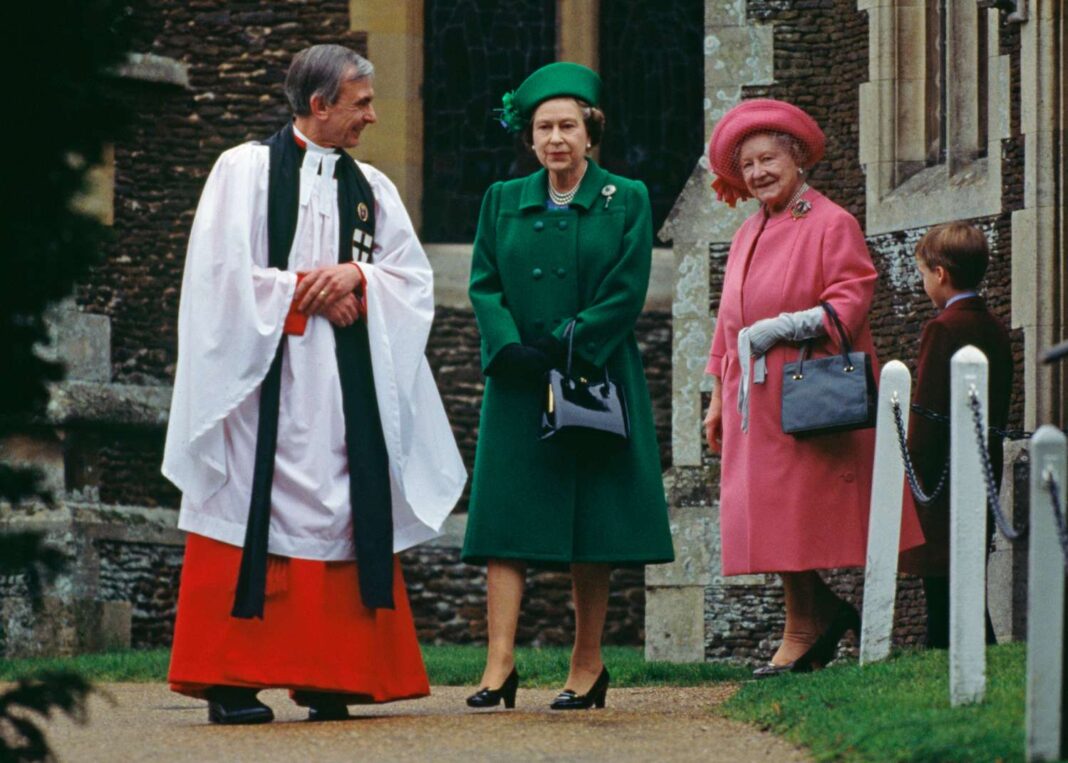
Beyond the occasional whisper of the supernatural, Sandringham holds deep-rooted significance for the Windsors. It was Queen Elizabeth II who firmly established the tradition in 1988 of the Royal Family gathering at the Norfolk residence for Christmas and New Year’s, ensuring that generations of her grandchildren grew up cherishing holidays at the beloved home. The festive period sees the family engage in time-honored customs, from a formal, black-tie dinner and a raucous gift exchange on Christmas Eve—as Prince Harry vividly recounted in his 2023 memoir, Spare, describing a “free-for-all” of presents—to the traditional walk to the 16th-century St. Mary Magdalene Church on Christmas morning, where they greet well-wishers and the press before returning to the house to enjoy the day together.
The tale of the Sandringham “exorcism” is a curious footnote in the long history of the British monarchy, blending royal tradition, deep-seated faith, and the enduring human fascination with the unexplained. It underscores that even within the most established institutions, moments of profound mystery can emerge, leaving observers to ponder the lines between belief, duty, and the unknown.