

The Clash of Comedic Ideologies: Oliver Defends Engaged Humor as Leno Advocates Broad Appeal
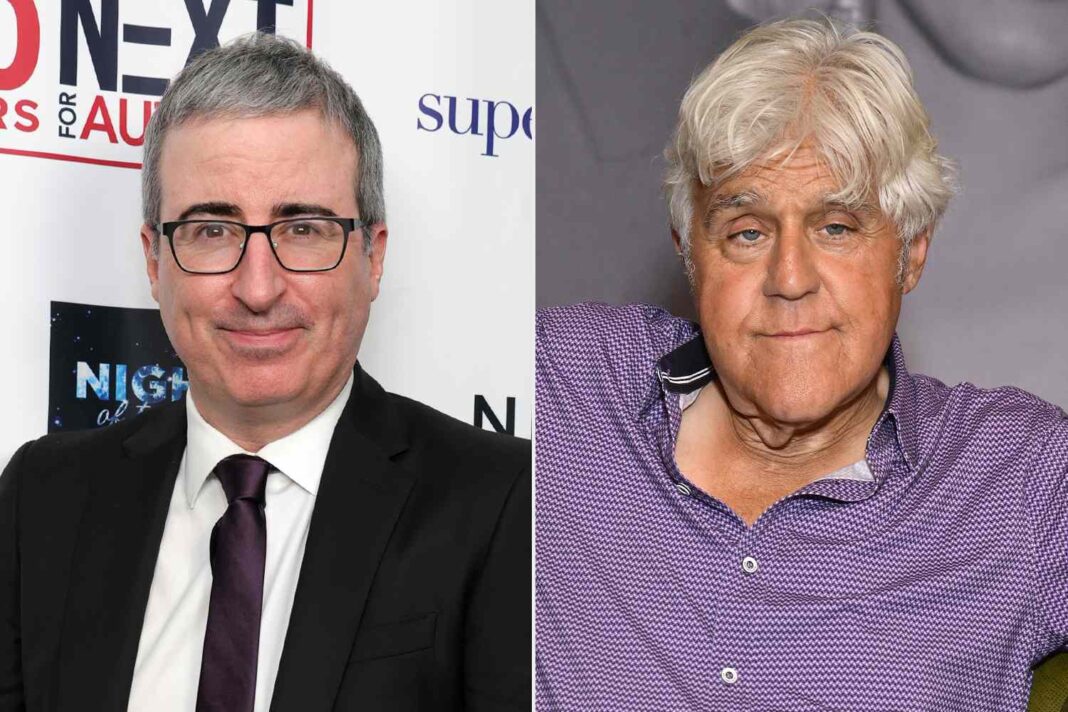
A sharp divide in late-night comedy philosophies has emerged, with “Last Week Tonight” host John Oliver emphatically rejecting veteran comedian Jay Leno’s recent counsel on political humor. The exchange unfolds against the backdrop of CBS’s controversial cancellation of “The Late Show with Stephen Colbert,” a move that has ignited discussions about the role and risks of political commentary in television comedy.
Leno’s Call for Universal Appeal
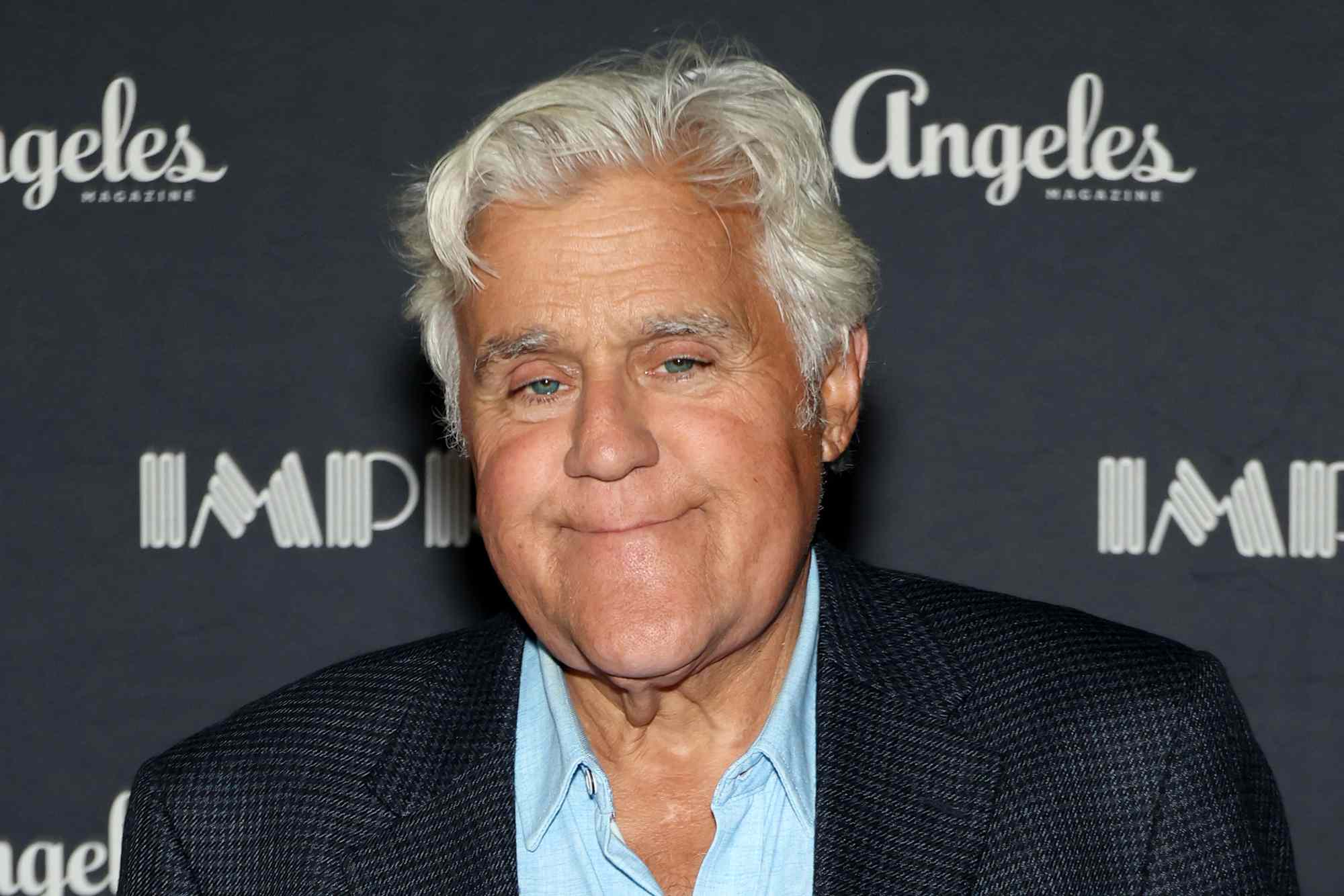
On July 27, speaking at the Ronald Reagan Presidential Foundation & Institute, 75-year-old Jay Leno, who helmed “The Tonight Show” for two decades, articulated his long-held belief that late-night hosts should strive for universal appeal. “Why shoot for half an audience? Why not try to get the whole?” Leno questioned, asserting that overtly political jokes risk alienating significant portions of the viewership. He recalled his own approach, aiming for a “whole” audience by eliciting “hate mail” from both Republican and Democratic viewers, signifying broad engagement rather than partisan alignment.
Oliver’s Rejection of Broad Appeal
However, John Oliver, 48, offered a direct retort to Leno’s perspective in an interview with The Hollywood Reporter published on Tuesday, August 5. When presented with Leno’s remarks, Oliver stated, “I’m going to take a hard pass on taking comedic advice from Jay Leno.” The Emmy-winning host, whose HBO series “Last Week Tonight” has garnered an impressive 30 Primetime Emmys since its 2014 debut, emphasized the subjective nature of comedy. “Comedy can’t be for everyone,” Oliver explained, adding that while appealing to a broad audience is “completely legitimate” for some, so is the opposite.
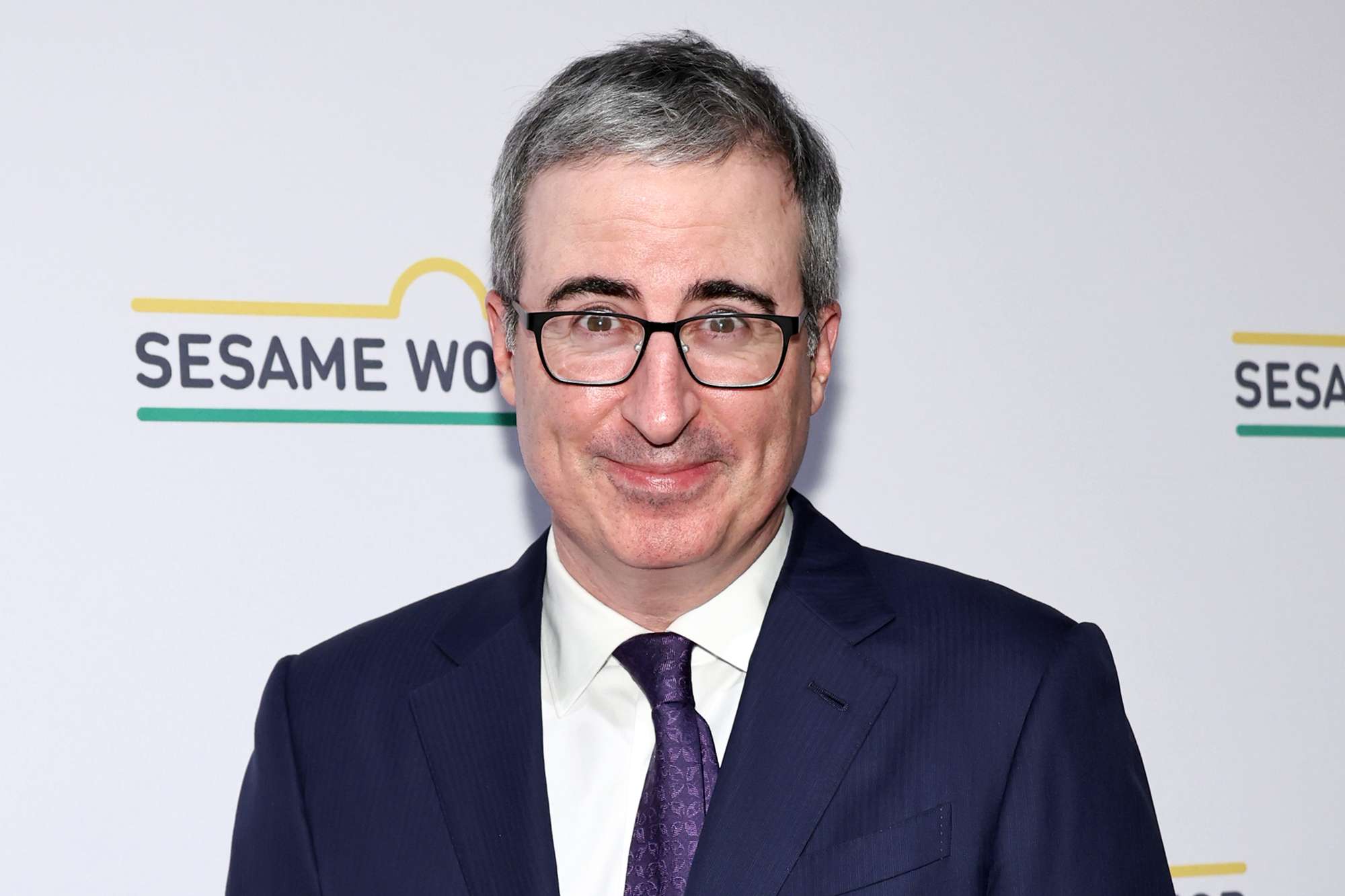
Oliver highlighted his show’s distinct approach, which, while undoubtedly holding a point of view, primarily delves into “systemic issues” rather than partisan politics. He cited recent topics such as gang databases, AI slop, juvenile justice, med spas, and air traffic control as examples. “I hope a lot of them actually reach across people’s political persuasions. You want people to at least be able to agree on the problem, even if you disagree on what the solution to it is,” Oliver articulated, underscoring a desire for common ground on critical societal problems.
The Colbert Controversy and Industry Solidarity
The debate gained heightened relevance following CBS’s sudden cancellation of “The Late Show with Stephen Colbert” on July 17. Despite the show’s strong viewership and critical acclaim, CBS cited “purely a financial decision against a challenging backdrop in late night.” However, the timing fueled widespread speculation linking the cancellation to the ongoing corporate maneuvers of CBS’s parent company, Paramount. At the time, Paramount was actively seeking approval from the Trump administration for its substantial merger with entertainment company Skydance, a merger ultimately approved by the FCC on July 25. Adding another layer of complexity, earlier in July, CBS had also settled a $16 million lawsuit with President Donald Trump, who accused “60 Minutes” of deceptively editing an interview with Vice President Kamala Harris during the 2024 presidential campaign.
In the wake of Colbert’s departure, the late-night community has rallied in support. Oliver joined fellow comedians Jon Stewart, Jimmy Fallon, Andy Cohen, and Anderson Cooper on a July 21 “Late Night” episode to show solidarity. Jimmy Kimmel has also publicly expressed his support on social media, signaling a collective concern for Colbert and his staff during this “horrible, horrible time.” The differing viewpoints of Oliver and Leno thus encapsulate a broader industry discussion about the boundaries, responsibilities, and commercial viability of political humor in a polarized media landscape.