

US-China Trade Talks Hit Snag Over Oil Purchases from Iran and Russia
WASHINGTON (AP) — Despite two days of seemingly productive trade negotiations in Stockholm, U.S. and Chinese officials remain at an impasse over one critical issue: Washington’s insistence that Beijing halt its significant oil purchases from Iran and Russia. This unresolved point threatens to derail broader progress towards a comprehensive trade agreement, even as both global economic powers express optimism about stabilizing their commercial ties.
Beijing Rejects US Demands Amidst Trade Negotiations
China’s Foreign Ministry firmly rejected the U.S. demands, which included a potential 100% tariff on Chinese goods, stating on X on Wednesday, “China will always ensure its energy supply in ways that serve our national interests.” The ministry underscored Beijing’s resolve, adding, “Coercion and pressuring will not achieve anything. China will firmly defend its sovereignty, security and development interests.” This strong rebuke comes at a time when both nations have been signaling goodwill after a period of escalating tariffs and trade restrictions.
US Officials Remain Optimistic Despite Standoff
U.S. Treasury Secretary Scott Bessent, speaking after the talks, acknowledged China’s stance, noting, “The Chinese take their sovereignty very seriously” regarding Russian oil. He sarcastically added, “We don’t want to impede on their sovereignty, so they would like to pay a 100% tariff.” On Thursday, Bessent, despite calling the Chinese “tough” negotiators, maintained optimism, telling CNBC, “I believe that we have the makings of a deal.” The U.S. aims to curb oil sales from Russia and Iran, major revenue sources that Washington contends fund Moscow’s ongoing war against Ukraine and Tehran’s support for militant groups across the Middle East.
Experts Weigh in on China’s Strategic Oil Reliance
Experts suggest China’s hardline approach is multifaceted. Gabriel Wildau, managing director of the consultancy Teneo, doubts the Trump administration would implement the drastic 100% tariff, fearing it would “derail all the recent progress.” Tu Xinquan, director of the China Institute for WTO Studies, noted that China views such threats as inconsistent with U.S. foreign policy and may see them as a negotiating tactic. Scott Kennedy of the Center for Strategic and International Studies highlighted Beijing’s consistent policy support for Moscow and the potential for China to leverage this issue for further concessions. Danny Russel of the Asia Society Policy Institute emphasized that Beijing perceives itself “holding the cards,” believing Trump seeks a “headline-grabbing deal,” and that China “simply can’t afford to walk away from the oil from Russia and Iran” due to its strategic importance and “fire‑sale prices.”
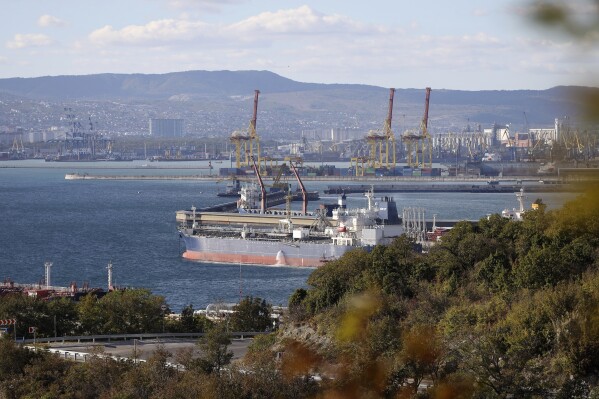
Indeed, China’s reliance on these energy sources is substantial. A 2024 report by the U.S. Energy Information Administration estimated that approximately 80% to 90% of Iran’s oil exports are directed to China, with the Chinese economy benefiting from over 1 million barrels of Iranian oil imported daily. China also serves as a crucial client for Russian oil, though it trails India in purchasing Russian seaborne crude. In April, Chinese imports of Russian oil surged by 20% over the previous month, reaching more than 1.3 million barrels per day, according to the KSE Institute, an analytical center at the Kyiv School of Economics.
Broader US Efforts to Curb Adversarial Oil Trade
This dispute mirrors broader U.S. efforts to restrict global oil purchases from adversarial nations. This past week, President Trump announced a 25% tariff on goods from India, coupled with an additional import tax, citing India’s continued acquisition of Russian oil. India’s Foreign Ministry promptly affirmed its relationship with Russia as “steady and time-tested.” Stephen Miller, White House deputy chief of staff, underscored the U.S. position on Fox News, stating it is “not acceptable” for India to finance the Ukraine war through Russian oil purchases, highlighting that India is “basically tied with China in purchasing Russian oil.”
Congressional Action Targets Russian Oil Revenue
In Congress, bipartisan pressure is mounting for stronger measures. Senator Lindsey Graham, a South Carolina Republican, introduced a bill in April that would grant the president authority to impose tariffs as high as 500% on Russia and any country “knowingly” purchasing oil, uranium, natural gas, or petrochemical products from Russia. The bill boasts 84 co-sponsors in the 100-seat Senate, with a corresponding version in the House. While Republicans indicate readiness to advance the legislation if requested by the President, the bill currently remains on hold, reflecting the delicate balance of trade negotiations and geopolitical strategy.