

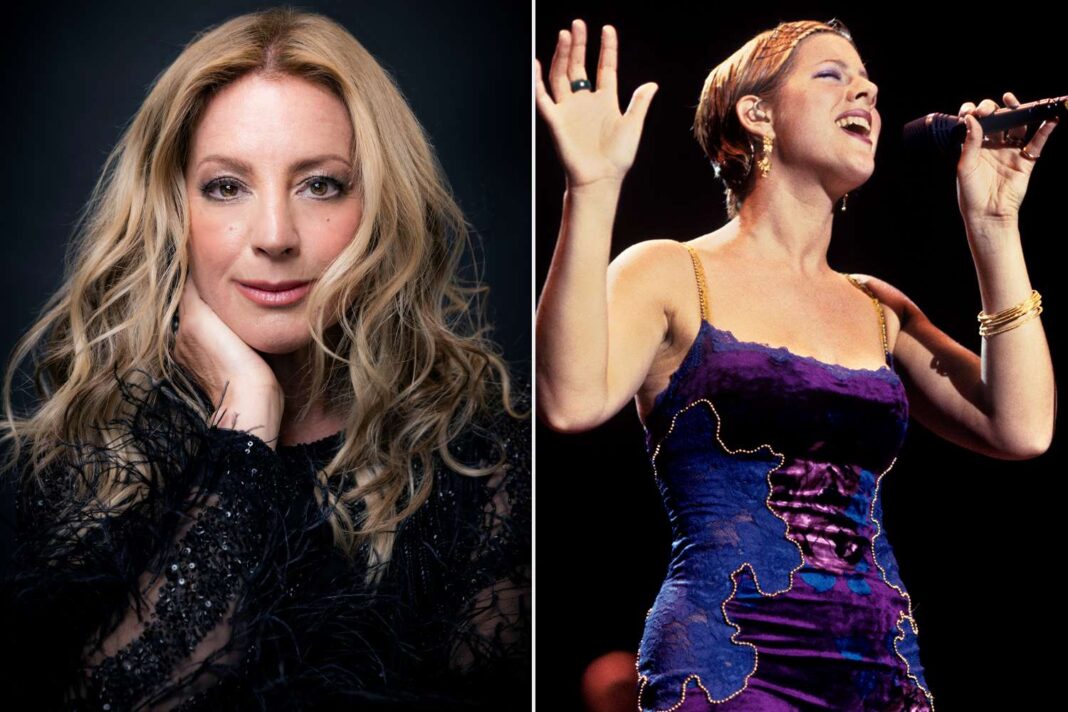
Sarah McLachlan Reflects on Lilith Fair: A Revolution Against Sexism
In the late 1990s, amidst a music industry often reluctant to place more than one female artist on a concert bill, Canadian singer-songwriter Sarah McLachlan spearheaded a revolution: Lilith Fair. This groundbreaking, all-female touring music festival, which ran from 1997 to 1999 and briefly returned in 2010, wasn’t just a series of concerts; it was a powerful statement against systemic sexism, fostering a vibrant community and becoming the highest-grossing music festival tour of 1997, earning over $16 million.
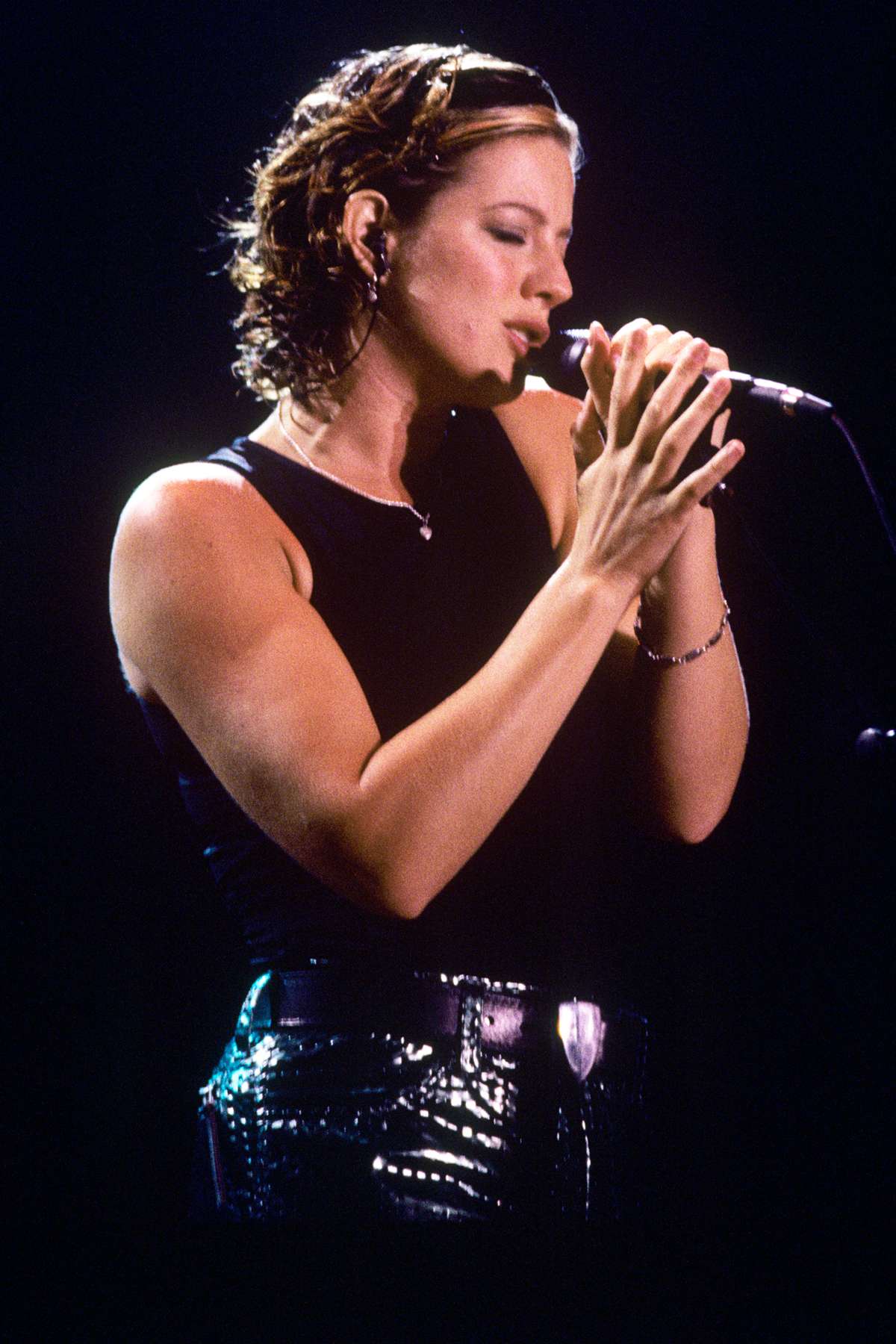
Now, as McLachlan, 57, looks back, her recollections are brought to the forefront in the Ally Pankiw-directed documentary, Lilith Fair: Building a Mystery – The Untold Story, premiering Sunday, Sept. 21, on Hulu and Hulu on Disney+. The film features revealing interviews with original Lilith Fair artists such as Bonnie Raitt, Sheryl Crow, Erykah Badu, Paula Cole, Jewel, Mýa, Natalie Merchant, Indigo Girls, and Emmylou Harris, alongside contemporary artists like Brandi Carlile and Olivia Rodrigo, who attest to its lasting impact.
Challenging Sexism and Misogyny
McLachlan candidly shared with PEOPLE the persistent sexism she encountered while helming the festival. At numerous press conferences, male disc jockeys barraged her with questions steeped in misogyny. “One of the most-asked questions was, ‘Why do you hate men?'” McLachlan revealed. “I’m like, ‘What in the world does celebrating women have to do with hating women or hating men?’ That says way more about you than anything else. There was a lot of baiting.”
She recalled frequently having to defend Lilith Fair’s all-female lineup, facing accusations of excluding men. “I haven’t excluded men. There’s men everywhere, but we’re celebrating women here. And you know what? Men can celebrate women, too. Why are you being an ass?” she stated, expressing a frustration that resonated with many. The questions often devolved into demeaning inquiries, such as “What do you girls do backstage?” and “Do you share lipstick tips?” McLachlan, “quite young and green at the time,” admits she mostly tried to “deflect and move on to topics that are more interesting.”
Facing Threats and Fostering Unity
The challenges extended far beyond sexist remarks. Lilith Fair’s outspoken pro-choice stance and its partnership with Planned Parenthood, which had information booths at events, led to terrifying threats. “It was scary,” McLachlan recounted. “I remember being very afraid the day of, especially with the bomb threats. But guys came in, they swept everything with their dogs.” Faced with the decision to continue, McLachlan’s resolve hardened. “For me, I’m like, ‘I don’t want them to win. I don’t want to be intimidated by this.’ So we pushed on. I think about if we were doing something like this today in today’s climate, it’d be 10 times worse.”
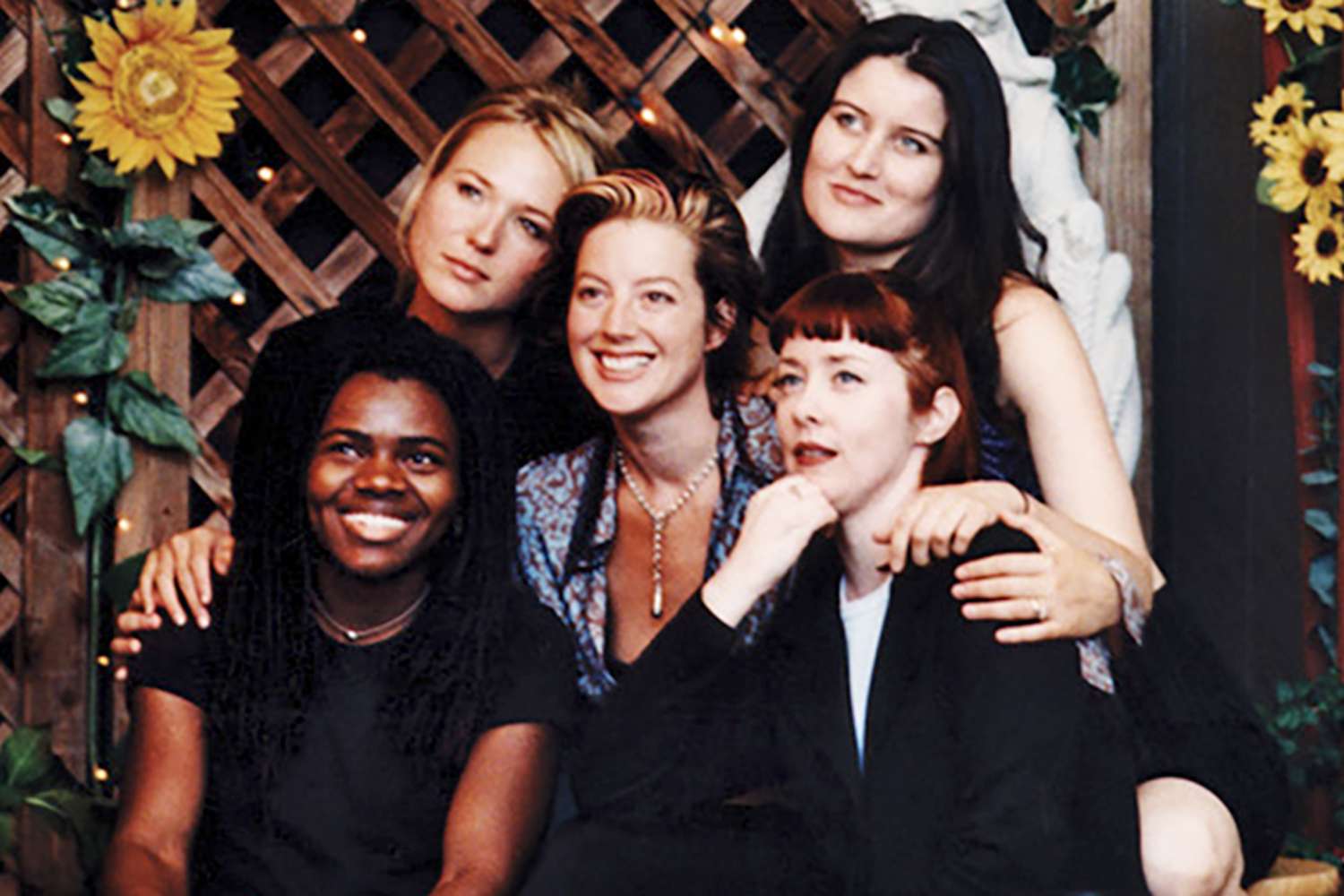
Despite these external pressures, the festival fostered an undeniable sense of unity. “There was an instant connection and an instant camaraderie,” the “Fallen” musician affirmed. “That community didn’t go away.” This powerful collective spirit became one of Lilith Fair’s most cherished legacies.
Addressing Diversity and Lasting Impact
McLachlan also addressed criticisms concerning the festival’s diversity, particularly in its early stages. “There was not enough diversity, especially at the beginning,” she conceded to PEOPLE. “We were a start-up, a fledgling that nobody had heard of before, and we asked everybody from all different genres of music, and we got who said ‘yes.'” She noted that managers often struggled to see how their artists, who might not fit a preconceived mold, could participate. “I’m like, ‘Well, that’s the point. I don’t listen to one kind of music. I listen to all different kinds of music and so do a lot of my fans, so do a lot of music fans. So, why are we limiting what we’re hearing?'” Despite the critiques, McLachlan believes she and her team “were doing the best we could and tried to put on a really great festival that showcased a lot of different kinds of music.”
As Lilith Fair: Building a Mystery – The Untold Story brings this pivotal moment in music history to a new generation, McLachlan’s reflections underscore the enduring importance of female solidarity, artistic freedom, and the courage to challenge established norms, even when faced with significant adversity.