

Judge Allows Anonymity for Plaintiffs in $50M Sexual Misconduct Lawsuit Against Smokey Robinson
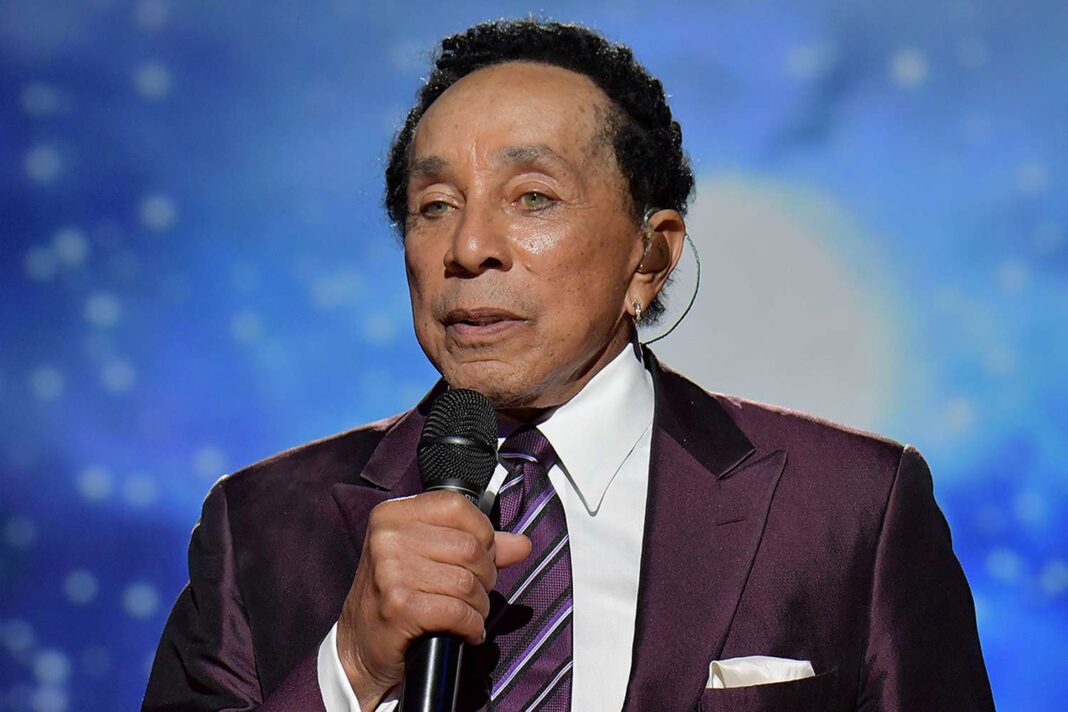
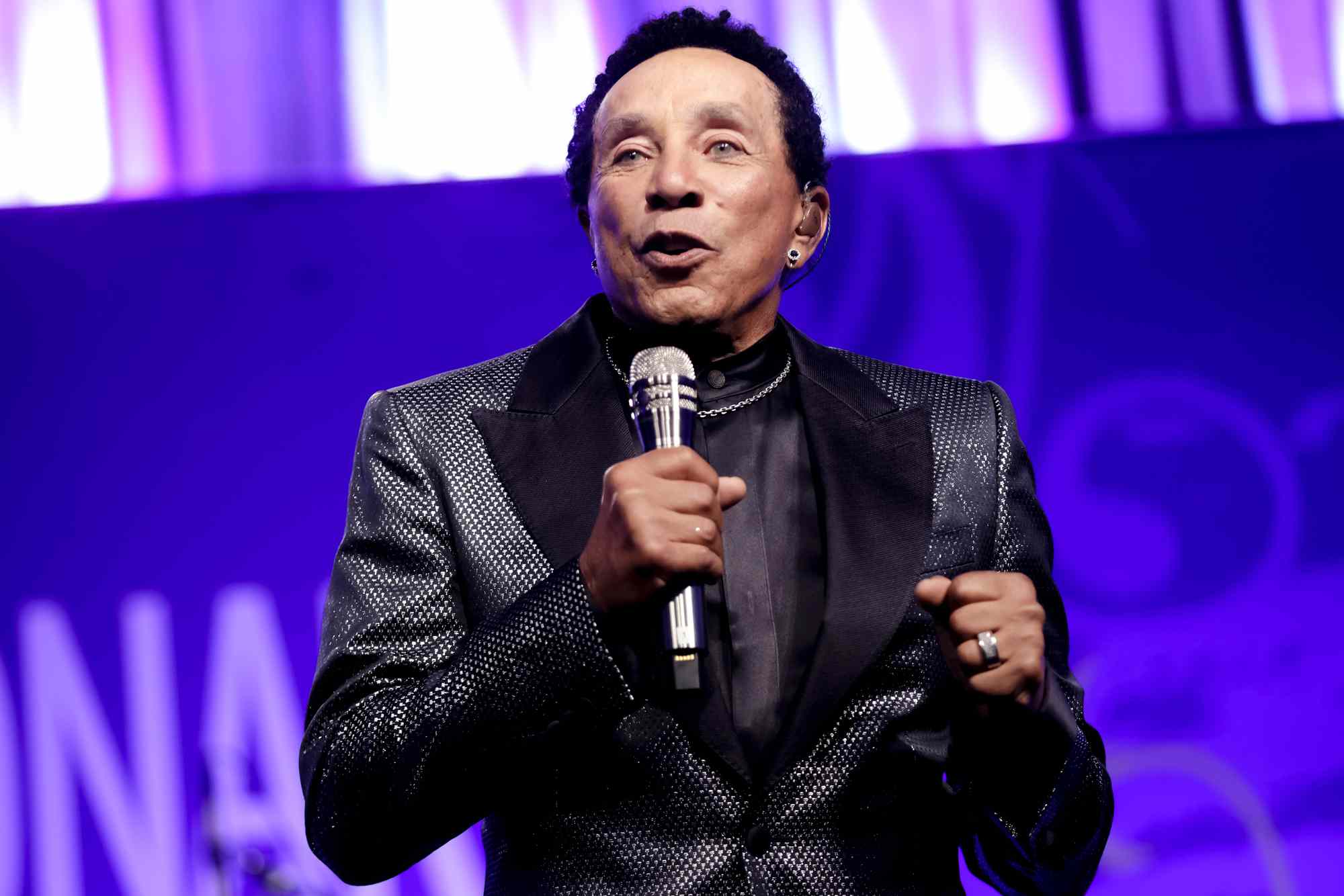
LOS ANGELES, CA – In a significant development in the high-profile sexual misconduct case against legendary Motown singer Smokey Robinson, a judge ruled on Thursday, September 11, 2024, that the four women who filed a $50 million lawsuit against him can maintain their anonymity as the proceedings unfold. This decision, handed down by Judge Kevin C. Brazile, allows the plaintiffs to continue as “Jane Does” for the immediate future, a move their legal team hails as crucial for protecting survivors.
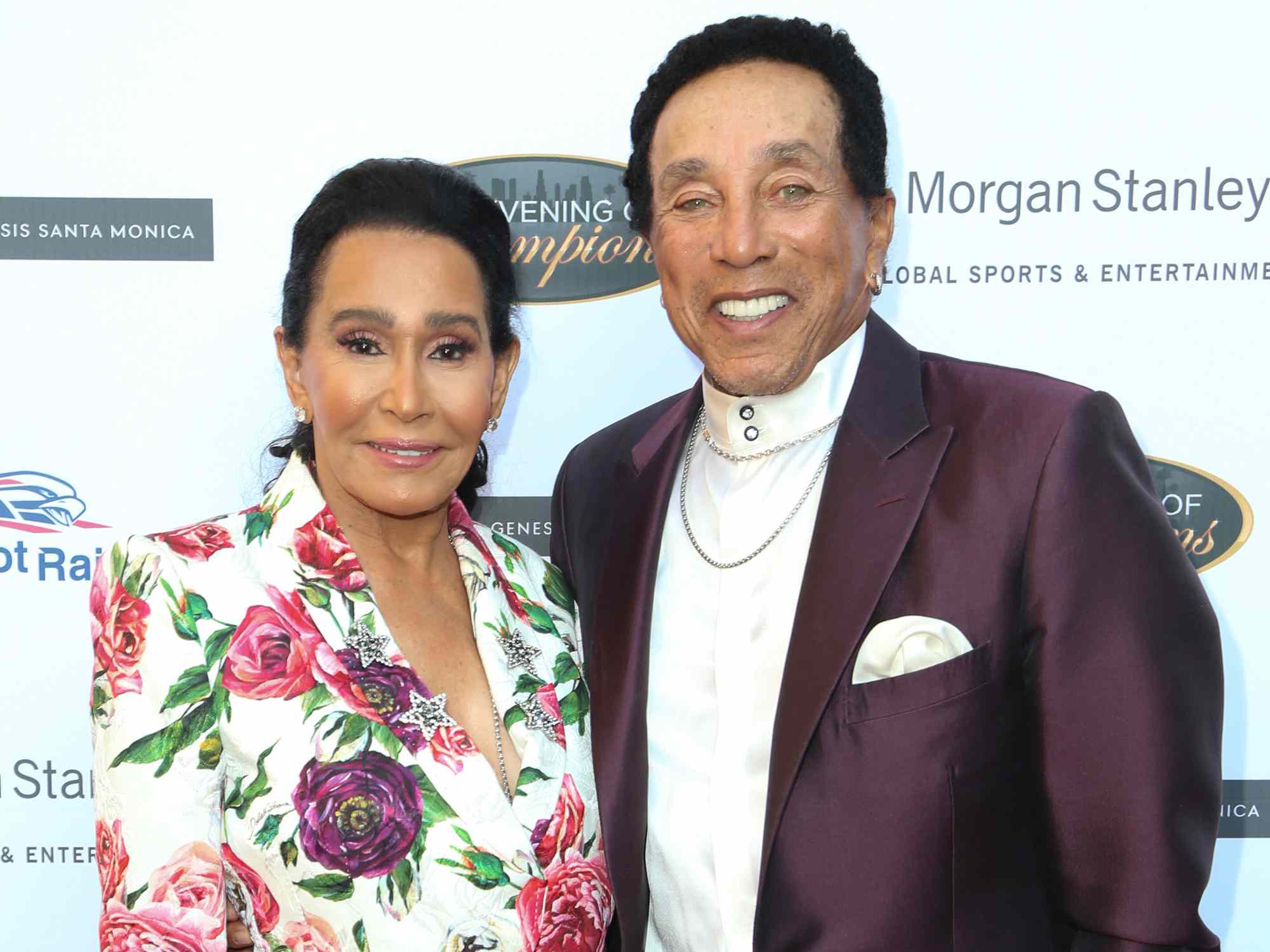
The lawsuit, initially filed in May 2024, alleges that Robinson, 85, subjected the four former employees to repeated sexual abuse. According to the complaint, the women claim Robinson “repeatedly forced his fingers and penis into their vaginas, causing severe and excruciating pain” without their consent. They further allege that he employed “physical barriers, force, threats of force,” and tactics like locking doors to prevent them from leaving during the alleged assaults. The complaint also controversially names Robinson’s wife, Frances Gladney, whom he married in 2002, alleging she had “full knowledge of his prior acts of sexual misconduct” and failed to intervene, even after reportedly settling similar cases with other women.
Judge Brazile, addressing the Los Angeles Superior Court, stated he did not believe the women’s identities needed to be revealed “this early in the case,” though he left open the possibility for disclosure at a later stage. The trial date for this complex case has been set for October 11, 2027, indicating a protracted legal fight ahead.
Robinson’s legal team had sought to strike the complaint, arguing that the use of pseudonyms hindered their ability to subpoena witnesses and mount an effective defense. Christopher Frost, an attorney for Robinson, reportedly highlighted in court the familial connection between two of the accusers, stating that “Jane Doe 3 is Jane Doe 2’s sister, and that she brought Jane Doe 2 into the fold years after she was allegedly assaulted by the star.” Frost argued that this was “the kind of information they want to hide.”
Weeks after the initial lawsuit, Robinson and his wife filed a robust $500 million cross-complaint, accusing the four women and their legal counsel of defamation. Their countersuit targets specific statements made by the plaintiffs’ lawyer, John Harris, during a press conference where he reportedly declared Robinson a “serial and sick rapist.” During this public appearance, the accusers stood beside Harris, their identities obscured by sunglasses and masks. Robinson’s cross-complaint asserts he had “no choice but to seek legal relief” due to these “slanderous statements,” maintaining that he had always treated the women as “extended family.”
Plaintiffs’ lawyer John Harris expressed satisfaction with the judge’s ruling, stating to PEOPLE, “We are very pleased that the Court has denied the Robinsons’ motion to strike our clients’ complaint and has affirmed their right to remain anonymous throughout these proceedings. This ruling protects the privacy and safety of Jane Does One through Four and ensures that survivors can continue to seek justice without fear of retribution or public exposure. We will continue to advocate vigorously on their behalf and ensure that their voices are heard when they have their day in court.”
The plaintiffs, all former employees, claim they resigned from their roles due to Robinson’s alleged misconduct. They cite fear of “losing their livelihood, familial reprisal, public embarrassment, shame and humiliation,” alongside feeling “threatened and intimidated” by the artist’s celebrity status, as reasons for not reporting the alleged abuse to authorities sooner.
In a brief interaction with TMZ on September 5, 2024, Robinson commented on the allegations, saying he was doing “great.” He added, “If it’s gonna happen to me, it happened at a great time because it’s happening to everybody, and it’s bulls—. So I’m good. It hasn’t seemed to [affect my legacy]. People know me, man.” His remarks suggest a dismissal of the allegations, framing them within a broader context of similar accusations against public figures.
As the legal proceedings gear up for a trial in three years, the ruling on anonymity underscores the sensitive nature of the allegations and the court’s effort to balance the rights of both the accusers and the accused in this high-profile case.