


CEO Pay Soars by Nearly 10% in 2024, Widening Disparity
NEW YORK (AP) — The typical compensation package for chief executives leading S&P 500 companies jumped by nearly 10% in 2024, reaching a median of $17.1 million. This significant increase, primarily fueled by a booming stock market and sharply rising corporate profits, far outpaced the modest 1.7% pay bump for the median employee, further widening the persistent pay disparity across American corporations.
The Associated Press’ CEO compensation survey, with data analyzed by Equilar, examined pay for 344 executives at S&P 500 companies who served at least two full consecutive fiscal years and whose proxy statements were filed between January 1 and April 30.
A Good Year at the Top, Disparity Below
The median pay package for CEOs climbed 9.7% to $17.1 million. In stark contrast, the median employee at these same companies earned $85,419, reflecting a mere 1.7% increase year-over-year. This growth at the executive level occurred as the S&P 500, the stock market’s main benchmark, soared by over 23% last year, and corporate profits for companies in the index rose more than 9%.
Despite facing challenges like sticky inflation and relatively high interest rates for part of the year, CEOs benefited from strong economic tailwinds. Consumers continued their spending, inflation showed signs of subsiding, the Federal Reserve lowered interest rates, and the job market remained robust. Dan Laddin, a partner at Compensation Advisory Partners, noted that these “nearly 10% increases are commensurate with the timing of the pay decisions.”
A key factor in the surging CEO pay is the increasing shareholder demand to tie compensation directly to performance. As a result, a large proportion of pay packages now consist of stock awards, which executives often cannot cash in for years unless the company meets specific targets, typically related to higher stock prices, market value, or improved operating profits. Equilar’s analysis revealed that the median stock award surged almost 15% last year, significantly outstripping the 4% increase in base salaries. Melissa Burek, also a partner at Compensation Advisory Partners, explained, “Given the significant role that long-term incentives play in executive pay, this trend makes sense.”
However, critics argue this reliance on share-based pay exacerbates inequality. Jackie Cook of Morningstar Sustainalytics observed that while it provides a clear market signal, it has also led to a “phenomenal rise” in CEO compensation, “tracking recent years’ market performance,” and consequently “widened the pay gap within workplaces.” Sarah Anderson, who directs the Global Economy Project at the progressive Institute for Policy Studies, echoed this concern, stating that despite “long-overdue” increases for some workers, “too many workers in the world’s richest countries still struggle to pay their bills,” leading to “enormous problem with excessive pay gaps” that undermine employee morale and boost turnover.
Leading Earners and Notable Exceptions
Rick Smith, founder and CEO of Axon Enterprises, topped the survey with a colossal pay package valued at $164.5 million. Nearly all of his compensation came in stock awards, contingent on Axon’s stock price and operational performance targets set for the period from 2024 to 2030. Axon, a company known for Taser stun guns and body cameras, has seen its revenue grow by more than 30% for three consecutive years, recording a record annual net income of $377 million in 2024. Its shares more than doubled last year, building on a prior 50%+ rise in 2023.
Other top earners included Lawrence Culp of GE Aerospace ($87.4 million), Apple’s Tim Cook ($74.6 million), David Gitlin of Carrier Global ($65.6 million), and Netflix’s Ted Sarandos ($61.9 million). For these executives, the majority of their pay packages also comprised stock or options awards.

Lawrence Culp Jr., CEO of General Electric Co., at the Dubai Air Show.
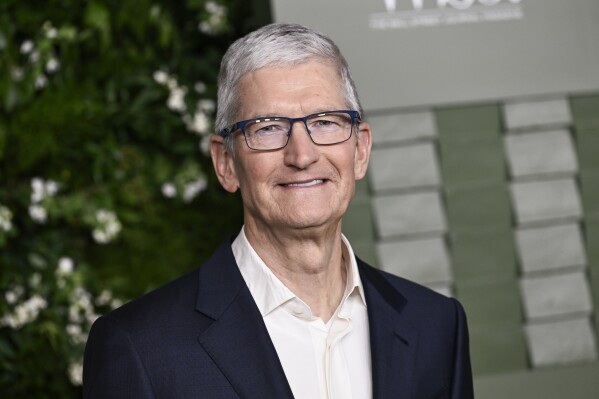
Tim Cook, CEO of Apple, at the WSJ. Magazine Innovators Awards.
Interestingly, some well-known billionaire CEOs featured lower in the AP survey. Warren Buffett’s compensation at Berkshire Hathaway was valued at $405,000, approximately five times the earnings of a typical worker at his company. Tesla CEO Elon Musk reportedly received no compensation for 2024, though a multiyear package from 2018, valued at $56 billion, is currently the subject of a court battle. Some notable CEOs, like Starbucks’ Brian Niccol and Nvidia’s Jensen Huang, did not meet the survey’s inclusion criteria due to their tenure or proxy filing dates.
The Persistent Pay Gap
The survey highlighted a stark reality in corporate America: at half of the companies analyzed, it would take the median worker 192 years to earn what their CEO made in a single year. This “pay ratio” disclosure has been a requirement for companies since 2018.
This disparity is particularly stark in industries where wages are typically lower and companies have extensive global operations. For example, at cruise line giant Carnival Corp., its CEO earned nearly 1,300 times the median employee’s annual pay of $16,900. Similarly, McDonald’s CEO made approximately 1,000 times the company’s median worker’s earnings. Across the U.S. private sector, overall wages and benefits rose 3.6% in 2024, according to the Labor Department. The average American worker earns $65,460 a year in wages, a figure that increases to $92,000 when benefits such as health care and other insurance are included.
Some Gains for Female CEOs
A positive development in the survey was the inclusion of 27 women – the highest number since 2014 – on the list of top-paid CEOs. Their median pay increased by 10.7% to $20 million, surpassing the 9.7% increase to $16.8 million for their male counterparts.
Judith Marks, CEO of Otis Worldwide, the elevator and escalator manufacturer, was the highest-earning female CEO with a pay package valued at $42.1 million, with approximately $35 million in stock awards. Otis has maintained operating profits above $2 billion for four consecutive years. Other top female earners included Jane Fraser of Citigroup ($31.1 million), Lisa Su of Advanced Micro Devices ($31 million), Mary Barra at General Motors ($29.5 million), and Laura Alber at Williams-Sonoma ($27.7 million). However, Christy Glass, a sociology professor at Utah State University specializing in equity and leadership, tempered optimism by noting that while individual representation has improved, “overall equity trends are stagnating,” particularly as many companies scale back on Diversity, Equity, and Inclusion (DEI) programs.
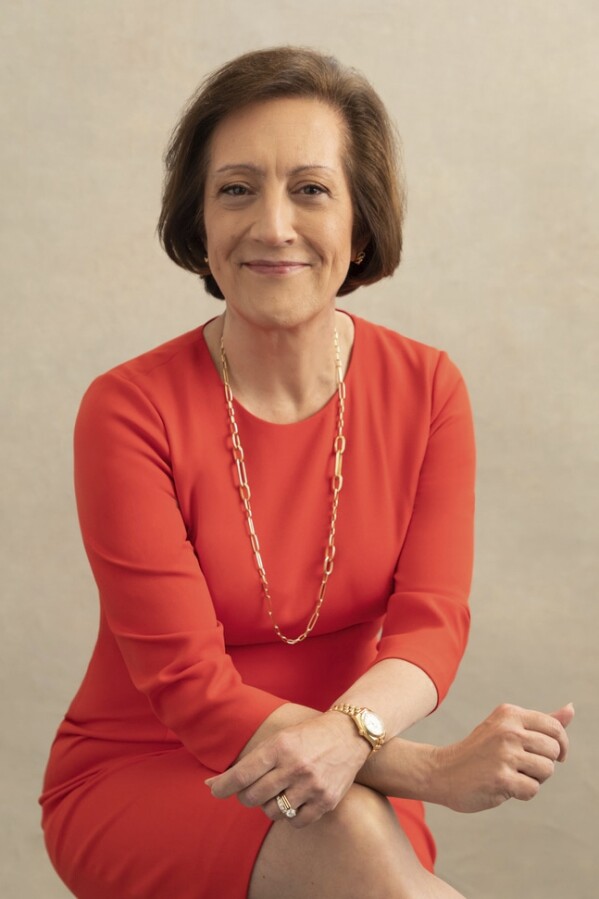
Judy Marks, CEO of Otis Elevator Co.
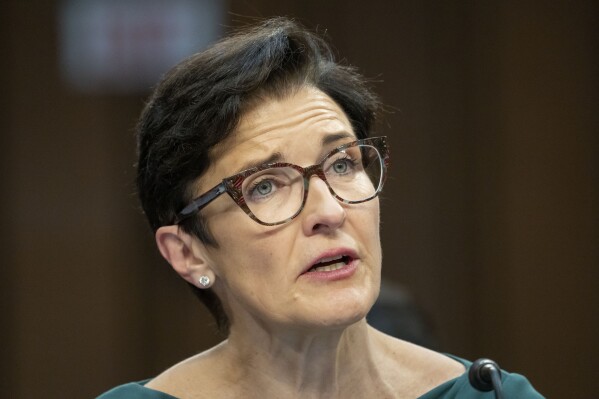
Jane Fraser, CEO of Citigroup, speaking on Capitol Hill.

Lisa Su, CEO of Advanced Micro Devices, at the Elysee Palace.
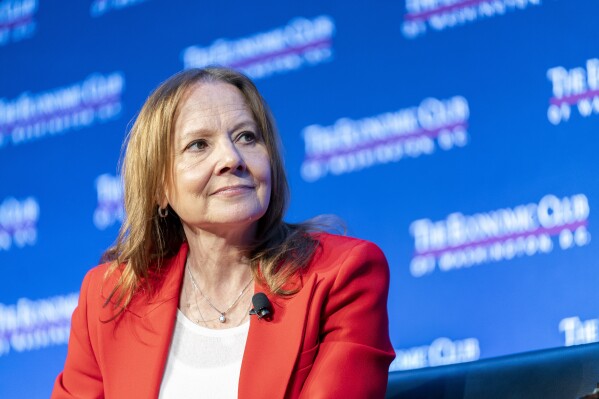
Mary Barra, Chair and CEO of General Motors, during an interview.
Prioritizing Executive Security
An emerging trend identified by Equilar is a notable increase in security perquisites offered as part of executive compensation packages. This rise is possibly a direct response to incidents such as the December shooting of UnitedHealthCare CEO Brian Thompson. Equilar’s analysis of 208 S&P 500 companies that filed proxy statements by April 2 revealed that the median spending on executive security surged by over 36%, rising from $69,180 in 2023 to $94,276 last year. Among the companies that boosted their security perks were Centene, a healthcare services provider, and chipmaker Intel.