


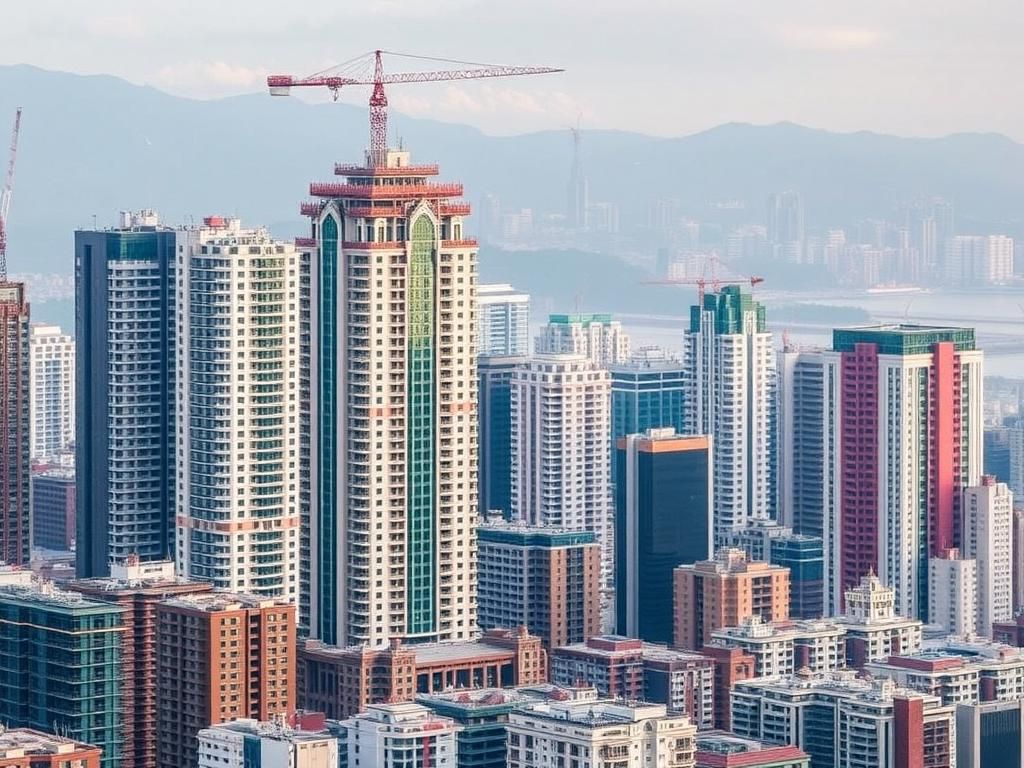
China Evergrande Delisted from Hong Kong Stock Exchange Amid Staggering Debt Crisis
HONG KONG (AP) — The shares of China Evergrande, once a titan of the nation’s real estate sector, have been officially delisted from the Hong Kong Stock Exchange, marking a significant milestone in the developer’s prolonged downfall that has sent ripples through China’s economy. The move comes as creditors continue to grapple with an staggering debt burden that has surpassed $340 billion, underscoring the enduring crisis in the country’s vital property market.
From Boom to Bust: The Unraveling of a Real Estate Giant
China Evergrande, headquartered in Shenzhen and founded in 1996 by entrepreneur Hui Ka Yan (also known as Xu Jiayin), ascended rapidly to become the nation’s second-largest developer. Its shares, first listed in Hong Kong in 2009, mirrored the unprecedented boom in China’s property market, fueled by housing reforms that transformed citizens into homeowners.
However, the tide turned dramatically in 2020. Chinese regulators, after years of warnings and a 2017 downgrade of the government’s credit rating by global agencies, introduced the “three red lines” policy. This stringent measure aimed to curb excessive borrowing by developers, explicitly prohibiting highly leveraged companies like Evergrande from taking on new debt to repay existing bonds and bank loans.
The new regulations quickly exposed Evergrande’s precarious financial position. Fears of a potential default in 2021 initially rattled global markets, though concerns eased after the Chinese central bank indicated the problems were “contained” and pledged to maintain credit market functionality. Despite this, Evergrande became one of dozens of property firms to default on their debts, igniting a severe and ongoing downturn in the sector.
The Economic Ripple Effect
The impact of Evergrande’s collapse and the wider property crisis has been profound, reverberating across China’s economy, the world’s second-largest. The credit crunch forced many developers, including Evergrande, to suspend construction on numerous projects. This left countless home buyers, who had typically paid upfront for unbuilt apartments, in a state of limbo.
The slowdown in home sales and construction rapidly depressed demand for essential construction materials like steel and copper, as well as related industries such as home appliances and even vehicles. Before the regulatory crackdown, real estate directly accounted for roughly 20% of China’s economy, with estimates rising to about a third when factoring in associated spending. Given that a majority of Chinese families hold a significant portion of their wealth in property, the anemic housing market has become a major impediment to consumer spending and overall economic recovery.
Delisting Details and Ongoing Liquidation Efforts
The Hong Kong Exchange confirmed Evergrande’s delisting as of Monday morning, in line with its rules stipulating that a company’s shares may be canceled if trading remains suspended for 18 consecutive months. Trading in Evergrande’s shares had been halted since January 29, 2024, following a Hong Kong court order for the company’s liquidation due to its failure to present a viable debt restructuring plan.
The process of unwinding Evergrande’s massive debts is proving complex. While a Hong Kong court issued the winding-up order, over 90% of the company’s assets are located on the Chinese mainland, making it challenging to enforce repayment for international creditors. Evergrande had also filed for Chapter 15 bankruptcy protection in New York City in 2023, a case later withdrawn.
Recent reports from the company’s liquidators highlight the scale of the challenge. As of July 31, they had received debt claims totaling $45 billion, significantly higher than the $27.5 billion in liabilities disclosed in December 2022, and this figure is not yet final. The liquidators have taken control of more than 100 companies within the Evergrande group, with collective assets valued at $3.5 billion as of January 29, 2024. So far, however, only a “modest” $255 million worth of assets has been sold.
Government Intervention and Future Outlook
In an effort to stabilize the embattled sector, Chinese leaders have implemented various measures. These include providing billions in lending and subsidies to ensure the completion of pre-sold apartments and encouraging local governments to acquire excess housing inventory for affordable housing initiatives. Additionally, policymakers have relaxed down payment and mortgage requirements and, in a move described as “surprising” by HSBC Global Investment Research analysts, lifted many restrictions on home purchases for investment purposes in major cities. Analysts view these proactive steps as crucial for strengthening market confidence, even as sales and home prices were still projected to decline further in August.
Despite these interventions, the property downturn continues to grind on, underscoring the deep-seated challenges facing China’s economy as it navigates the fallout from one of its largest corporate collapses.
___
AP reporter Kanis Leung in Hong Kong contributed to this report.