


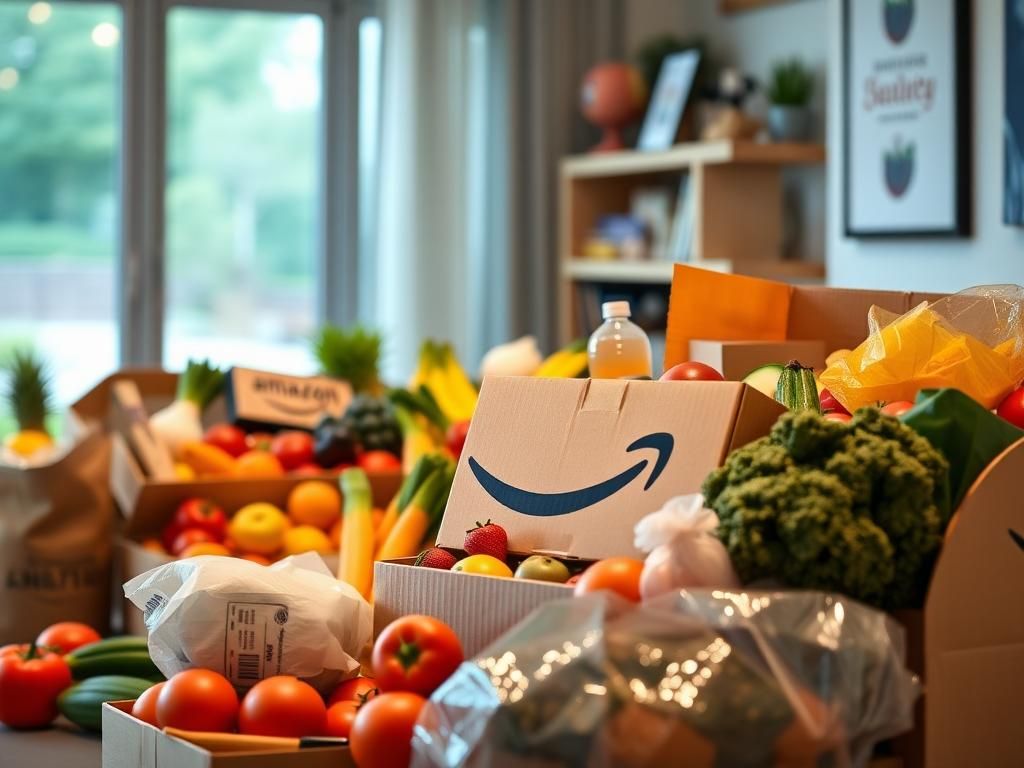
Amazon Unveils Major Grocery Expansion: Same-Day Delivery for Fresh Foods Nationwide
NEW YORK – Amazon, the e-commerce behemoth, is embarking on its most ambitious grocery expansion to date, integrating perishable food items directly into its existing vast logistics network. The strategic move, announced Wednesday, enables Prime members in over 1,000 cities and towns to now order fresh produce like blueberries and staples such as milk alongside traditional Amazon offerings like batteries and T-shirts, all for same-day delivery.
This significant rollout marks a pivotal shift for Amazon’s grocery strategy, which has historically relied on dedicated services like Amazon Fresh and its Whole Foods Market acquisition. By the end of the year, Amazon projects to extend this integrated same-day delivery service to more than 2,300 locations across the United States, signaling a direct challenge to established grocery chains and their online delivery platforms.
A New Chapter in Grocery Convenience
For Prime members, who pay either $14.99 monthly or $149 annually for their membership, the service offers free same-day delivery on orders exceeding $25. Orders below this threshold incur a modest $2.99 fee. Non-Prime customers can also access the service for a flat fee of $12.99, irrespective of their order size. This unified shopping experience, allowing a single cart and doorstep delivery for diverse product categories, aims to simplify the often-fragmented online grocery experience.
“We’re continuously innovating to make grocery shopping simpler, faster, and more affordable for our customers, especially Prime members,” stated Doug Herrington, CEO of Worldwide Amazon Stores. He highlighted the newfound convenience for consumers, illustrating how they can “order milk alongside electronics; oranges, apples, and potatoes with a mystery novel; and frozen pizza at the same time as tools for their next home improvement project.”
Intensifying the Retail Battleground
The ripple effects of Amazon’s expansion were immediately felt across the retail sector. Shares of major competitors such as Walmart, Kroger, and Target all experienced dips in early trading Wednesday, underscoring the perceived threat. Conversely, Amazon’s shares saw a modest 1% rise, reflecting investor confidence in this intensified push into the lucrative grocery market.
This initiative comes on the heels of substantial investments by Amazon to bolster its delivery capabilities. In June, the company disclosed plans to pour over $4 billion into tripling the size of its delivery network by 2026, with a specific focus on expanding reach into smaller towns and rural communities. This infrastructure development is crucial for handling the complexities of perishable logistics, often referred to as the “last mile” challenge in delivery.
Amazon also revealed its increasing reliance on artificial intelligence to fine-tune its operations. AI systems are being deployed to predict local customer preferences with greater accuracy, ensuring that popular items are consistently stocked alongside products specifically targeted for the unique demands of individual communities. This data-driven approach aims to optimize inventory and delivery routes, further enhancing efficiency and customer satisfaction.
With last year’s gross sales of groceries and household essentials exceeding $100 billion (excluding Whole Foods Market and Amazon Fresh figures), Amazon’s deepened foray into fresh food delivery is set to intensify competition, potentially reshaping how millions of Americans stock their pantries and refrigerators.