

:max_bytes(150000):strip_icc():focal(749x0:751x2)/shonda-rhimes-1-100825-b9abb75a19b943c2b2f9797e35dec558.jpg)
*Credit: Jamie McCarthy/Getty*
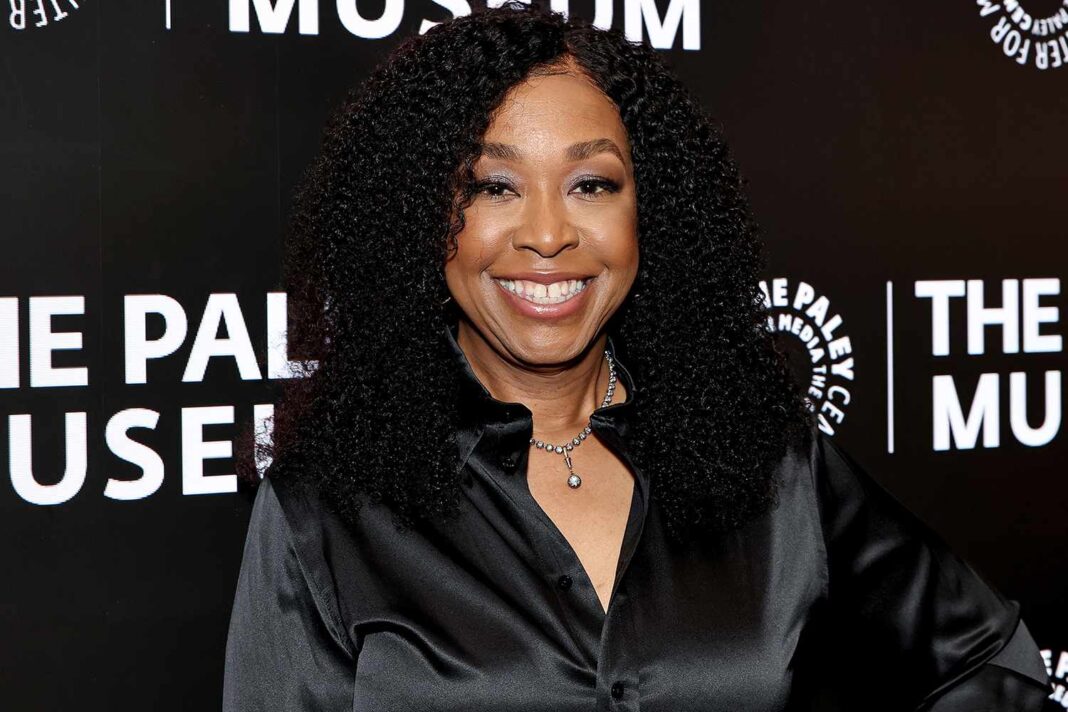
Shonda Rhimes on Her Path to Motherhood: ‘How My Children Came Into My Family is Not the Issue’
The Shondaland creator candidly discusses her family’s initial questions about adoption and surrogacy, and her powerful realization about the unwavering embrace of love.
Shonda Rhimes, the visionary behind television powerhouses like Grey’s Anatomy and Scandal, recently offered a deeply personal glimpse into her journey to motherhood, revealing the complex conversations and eventual unequivocal love that defined her family’s acceptance. During a candid appearance on the “Call Her Daddy” podcast hosted by Alex Cooper on a recent Wednesday, October 8, Rhimes, 54, opened up about welcoming her three daughters through adoption and surrogacy.
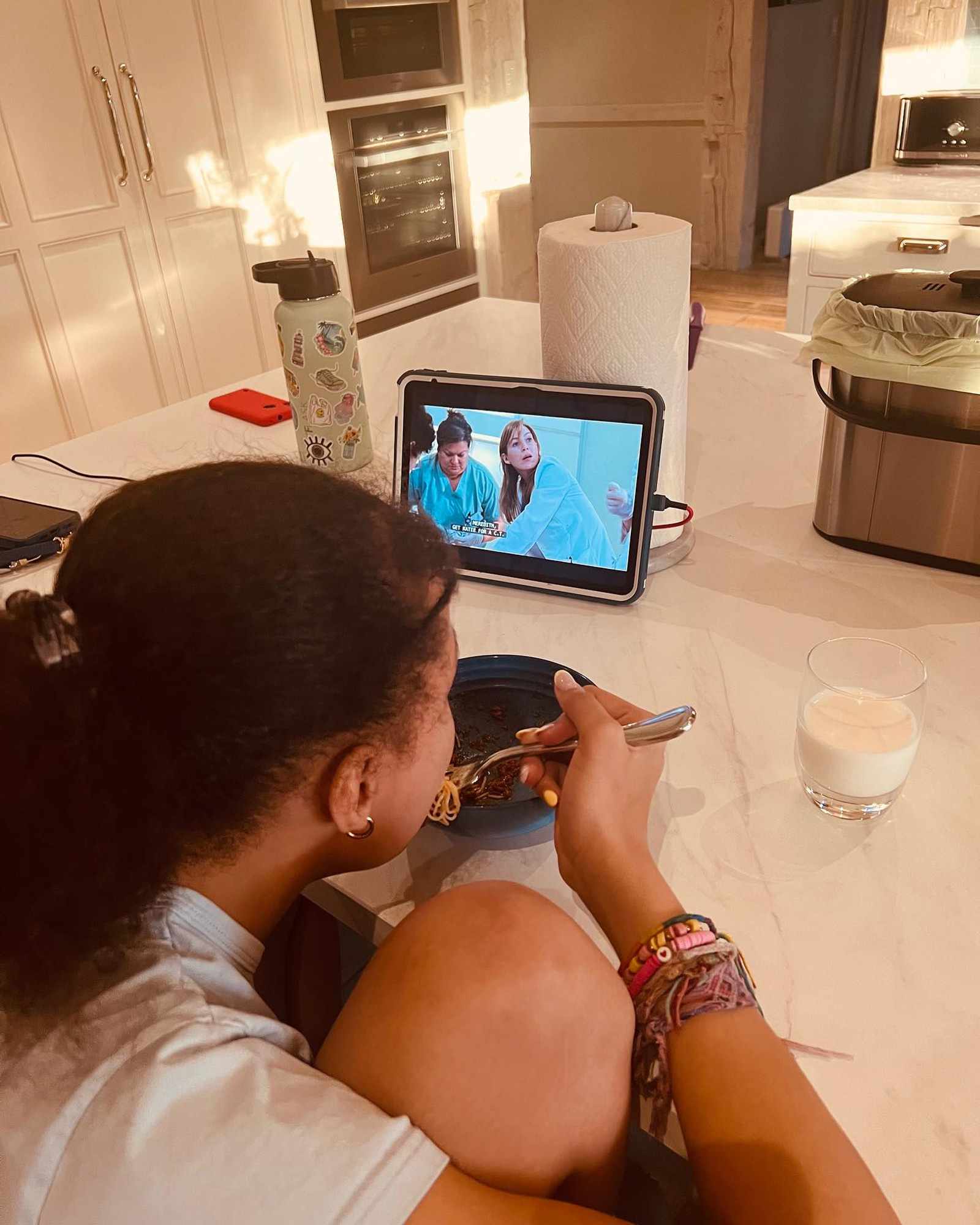
Rhimes is a proud mother to Harper, now 22, whom she adopted in 2002; Emerson, 12, who joined the family through adoption in 2012; and Beckett, 11, welcomed via surrogacy in 2013. This decade-long journey of building her family, spanning various methods, prompted Cooper to inquire about the discussions Rhimes had with her parents, whom she has previously described as having traditional views.
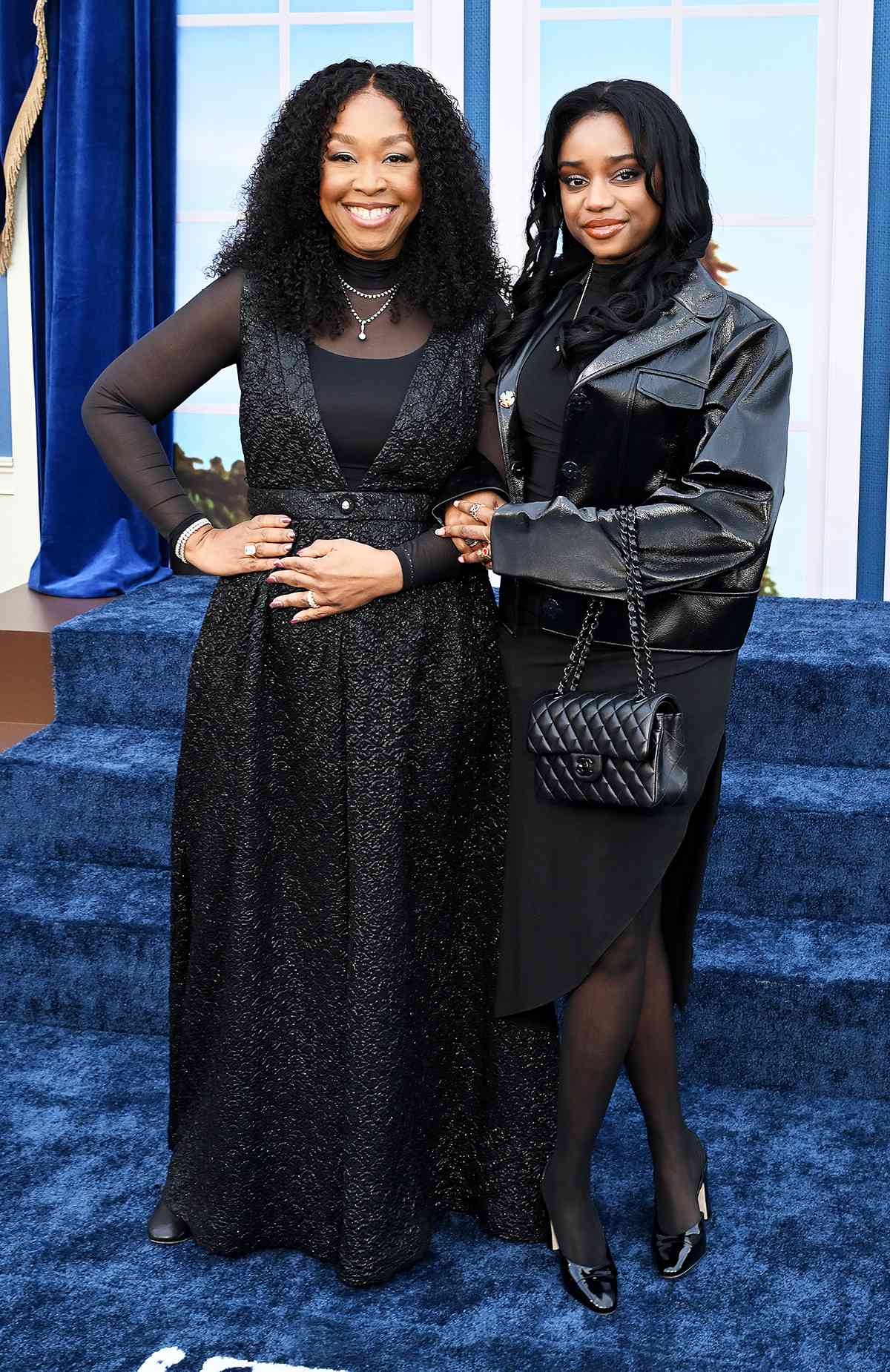
Navigating Family Expectations
“You know what’s wonderful is my parents [got] on board but had a lot of questions about adoption,” Rhimes explained, shedding light on the initial inquiries her family had regarding the implications of this path to parenthood. Despite these questions, a fundamental family value always prevailed: “it sort of never mattered how you came into the family. You’re just part of the family.”
However, the decision to welcome her youngest daughter, Beckett, via surrogacy presented a new set of discussions. “Surrogacy brought up a lot of questions from my family,” Rhimes shared, noting the profound difference in these conversations. She humorously, yet tellingly, added, “I don’t think I’ve to this day, I still haven’t had the sperm donor conversation with my father. Do you know what I mean? Like those conversations.”
The Power of Unconditional Love
Despite the initial queries and uncharted territory, Rhimes emphasized the ultimate outcome. “For me, what’s amazing is the minute there’s a baby, my whole family is in love and embraces [them],” she stated, highlighting the powerful, unifying force of a new life. “Our family is really great in that way. We’re a very big, loud, boisterous family who, like everybody, is super embraced.”
This journey also led Rhimes to a significant personal realization about societal pressures. She confessed that for a period, she felt compelled to “justify” her choices to others. “I felt like I had to sort of, I don’t even know. I felt like I had to justify it for people,” she recounted.
Challenging Traditional Narratives
Rhimes ultimately found strength in rejecting this need for justification. “And that’s ridiculous,” she concluded. Drawing a powerful parallel, she asserted, “At a certain point, I was like, however I decide, you know, it’s like nobody puts in the paper like so and so had a baby via C-section. Nobody says this is their C-sectioned child. So how my children came into my family is not the issue.”
Her reflections underscore a broader message about the diverse and equally valid ways families are built in the modern world, challenging traditional narratives and celebrating the unconditional love that defines a true family, regardless of its origin story.