



CEO Compensation Soars by 10% in 2024 Amidst Robust Markets
NEW YORK (AP) — The typical compensation package for chief executives leading S&P 500 companies surged by nearly 10% in 2024, reaching a median of $17.1 million. This significant increase was largely driven by a robust stock market performance and sharp rises in corporate profits, as revealed by the latest Associated Press’ CEO compensation survey.
The annual survey, which utilized data analyzed by Equilar, examined the pay packages of 344 executives from S&P 500 companies. These executives had served at least two full consecutive fiscal years at their respective companies and filed proxy statements between January 1 and April 30.
A Banner Year at the Top
For the typical S&P 500 CEO, 2024 proved to be a lucrative year with a median pay package of $17.1 million, marking a 9.7% rise. In stark contrast, the median employee at these same companies earned $85,419, reflecting a modest 1.7% increase year over year.
CEOs navigated a complex economic landscape characterized by persistent inflation and relatively high interest rates for much of the year, alongside fluctuating consumer confidence. However, several economic tailwinds propelled corporate success: consumers maintained spending levels despite economic misgivings, inflation showed signs of subsiding, the Federal Reserve lowered interest rates, and the job market remained remarkably strong. The S&P 500 itself climbed by over 23% last year, and corporate profits for companies within the index rose by more than 9%.
“2024 was expected to be a strong year, so the (nearly) 10% increases are commensurate with the timing of the pay decisions,” noted Dan Laddin, a partner at Compensation Advisory Partners. Conversely, Sarah Anderson, who directs the Global Economy Project at the Institute for Policy Studies, commented on the “long-overdue” increases in worker pay, particularly for those at the lower end of the wage scale, but emphasized that too many workers in the world’s richest countries continue to struggle with basic expenses.
The Highest Earners and Performance-Based Pay
Many companies have increasingly aligned CEO compensation with performance metrics, a direct response to shareholder demands. Consequently, a substantial portion of executive pay packages now comprises stock awards. These awards often cannot be fully realized for several years, contingent upon the company meeting specific targets such as a higher stock price, increased market value, or improved operating profits.
Topping the survey was Rick Smith, the founder and CEO of Axon Enterprises, with a staggering pay package valued at $164.5 million. Axon, a leader in Taser stun guns and body cameras, has demonstrated exceptional growth, with revenue increasing by more than 30% for three consecutive years and posting a record annual net income of $377 million in 2024. The company’s shares more than doubled in 2024, following a robust 50% rise in 2023. Nearly all of Smith’s compensation is tied to these stock awards, which are conditional on Axon achieving stock price and operational targets between 2024 and 2030.
Other prominent earners in the survey included Lawrence Culp of what is now GE Aerospace ($87.4 million), Tim Cook at Apple ($74.6 million), David Gitlin of Carrier Global ($65.6 million), and Ted Sarandos at Netflix ($61.9 million). For these executives, stock or options awards constituted the majority of their compensation. Data from Equilar shows that the median stock award jumped almost 15% last year, significantly outpacing the 4% increase in base salaries. Melissa Burek, also a partner at Compensation Advisory Partners, explained that “For CEOs, target long-term incentives consistently increase more each year than salaries or bonuses… Given the significant role that long-term incentives play in executive pay, this trend makes sense.”

Jackie Cook of Morningstar Sustainalytics acknowledged the benefit of linking CEO pay to performance as a clear market signal for shareholders. However, she highlighted that the increased reliance on share-based pay has also led to a “phenomenal rise” in CEO compensation, mirroring recent market performance, which has “widened the pay gap within workplaces.”
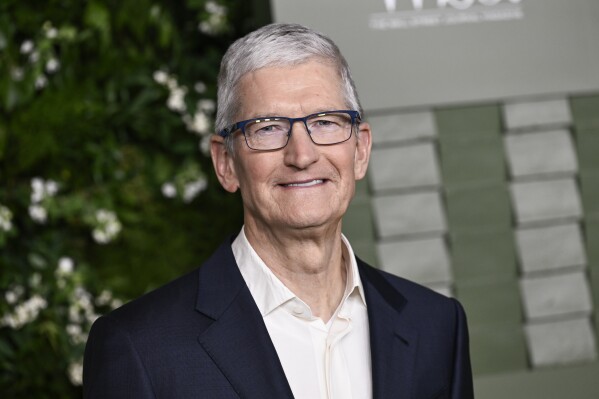
It’s worth noting that some well-known billionaire CEOs appeared lower in the AP survey due to different compensation structures or reporting periods. Warren Buffett’s compensation was valued at $405,000, roughly five times the earnings of a median worker at Berkshire Hathaway. Elon Musk reportedly received no compensation for 2024 from Tesla, though a multi-year package awarded in 2018, valued at $56 billion, is currently entangled in a court battle. Other notable CEOs, like Starbucks’ Brian Niccol ($95.8 million) and Nvidia’s Jensen Huang ($49.9 million), did not meet the survey’s inclusion criteria due to their tenure or proxy filing dates.
The Persistent Pay Gap
The disparity between executive and employee compensation remains a significant point of discussion. At half of the companies included in the AP’s annual pay survey, a worker earning the company’s median salary would need an astounding 192 years to accumulate what their CEO earned in a single year. Companies have been mandated to disclose this “pay ratio” since 2018, shedding light on these vast differences.
Industries characterized by typically lower wages often exhibit the highest pay ratios. For instance, at cruise line giant Carnival Corp., its CEO earned nearly 1,300 times the median employee pay of $16,900. Similarly, McDonald’s CEO earned approximately 1,000 times the median worker’s compensation. Both companies operate across numerous countries, influencing their median wage calculations.
Across the U.S. private sector, overall wages and benefits for workers increased by 3.6% through 2024, according to the Labor Department. The average American worker earns $65,460 annually, a figure that rises to $92,000 when benefits such as health care and other insurance are factored in. Sarah Anderson further stressed that “With CEO pay continuing to climb, we still have an enormous problem with excessive pay gaps. These huge disparities are not only unfair to lower-level workers who are making significant contributions to company value – they also undercut enterprise effectiveness by lowering employee morale and boosting turnover rates.”
Breaking Barriers, Slowly: Women in Leadership
In a notable trend, the survey included 27 women CEOs, the highest number recorded since 2014. These female leaders saw their median pay increase by 10.7% to $20 million, outpacing the 9.7% increase to $16.8 million observed among their male counterparts.
Judith Marks of Otis Worldwide emerged as the highest earner among female CEOs, with a compensation package valued at $42.1 million. Otis, renowned for its elevators and escalators, has maintained operating profits above $2 billion for four consecutive years, with approximately $35 million of Marks’ compensation derived from stock awards. Other top-earning female CEOs included Jane Fraser of Citigroup ($31.1 million), Lisa Su of Advanced Micro Devices ($31 million), Mary Barra at General Motors ($29.5 million), and Laura Alber at Williams-Sonoma ($27.7 million).

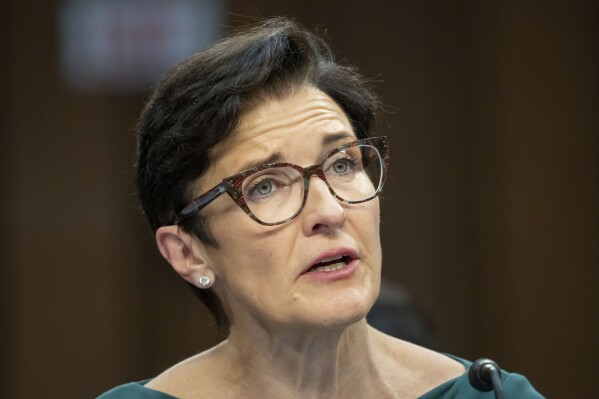

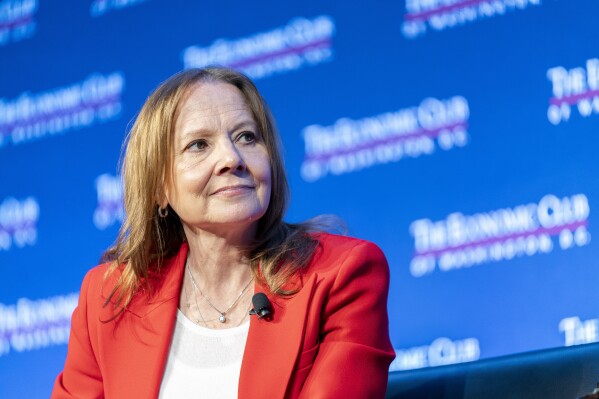
Despite these individual achievements, Christy Glass, a professor of sociology at Utah State University specializing in equity and leadership, cautioned that while there may be a few more women on the top-paid CEO list, overall equity trends are stagnating. She pointed to cutbacks in diversity, equity, and inclusion (DEI) programs by companies, suggesting that “we’re really not moving the needle significantly.”
Prioritizing Security Amidst Growing Concerns
A discernible shift in executive compensation packages involves a greater emphasis on security perquisites. Equilar’s analysis revealed that a growing number of companies are providing enhanced security, possibly in direct response to incidents like the December shooting of UnitedHealthCare CEO Brian Thompson.
An examination of 208 S&P 500 companies that filed proxy statements by April 2 indicated a substantial rise in security spending. The median expenditure on security for executives increased to $94,276 last year, up from $69,180 in 2023. Companies such as Centene, a healthcare services provider, and chipmaker Intel were among those that significantly boosted their security perks, underscoring a heightened focus on executive safety in the current climate.
—
*Reporters Matt Ott and Chris Rugaber in Washington contributed to this report.*