


U.S. Treasury Implements Heightened Scrutiny on Somali Community Financial Transactions Amid Fraud Probes
WASHINGTON (AP) — The U.S. Treasury Department is escalating its oversight of financial transactions within Minnesota’s vibrant Somali community, specifically targeting businesses that facilitate money transfers to family members abroad. This intensification comes as the Trump administration ramps up investigations into various fraud schemes, particularly those related to pandemic aid.
New Directives for Money Wire Services
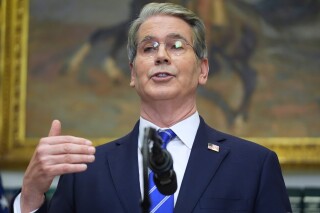
Treasury Secretary Scott Bessent announced on Friday that the department will soon issue a directive. This mandate will require money wire services—crucial lifelines for the Somali diaspora to send remittances to Somalia—to submit additional verification to the Treasury. This move signifies a substantial tightening of financial oversight.
Response to High-Profile Fraud Cases
This new action is largely a direct response to a series of high-profile fraud cases that have emerged in Minnesota. Foremost among these is the alleged scheme involving the nonprofit “Feeding Our Future.” Prosecutors contend that this organization fraudulently obtained an estimated $300 million in federal pandemic aid, which was originally designated for school meal programs.
Trump Administration’s Focus on Minnesota’s Somali Population
The Trump administration has consistently drawn attention to Minnesota’s Somali population, which represents the largest diaspora community in the United States. President Donald Trump himself has frequently criticized the state, labeling it “a hub of fraudulent money laundering activity.” These claims have often been met with skepticism due to a lack of concrete evidence. Furthermore, Trump has previously initiated immigration enforcement actions and made disparaging public comments directed at the community.
Unsubstantiated Allegations of Terror Financing
Adding a layer of controversy to the Treasury’s intensified focus are allegations from the conservative news outlet City Journal. The publication claimed, citing unnamed sources, that taxpayer dollars from defrauded government programs had illicitly flowed to al-Shabab, an al-Qaida-linked militant group active in Somalia. However, federal prosecutors have yet to substantiate these grave allegations, and no defendants in related fraud cases have been charged with supporting terrorist organizations.
Treasury Deploys FinCEN and IRS for Investigations
To bolster these investigative efforts, the Treasury Department is deploying the Financial Crimes Enforcement Network (FinCEN), its primary bureau dedicated to combating financial crimes such as money laundering and terrorism financing. The Internal Revenue Service (IRS) will also play a significant role, examining firms accused of involvement in fraudulent activities. Secretary Bessent affirmed that Treasury personnel are actively “on the ground working hard to uncover the facts” related to these alleged financial irregularities.
The enhanced scrutiny underscores the administration’s resolve to crack down on financial malfeasance. However, it also highlights the ongoing challenge of navigating complex issues surrounding community trust and the lack of verified links between domestic fraud and international terror financing.


