


Boar’s Head Reopens Tainted Plant as New Reports Reveal Pervasive Sanitation Failures
Despite Company Assurances and USDA Clearance, Inspections Across Multiple Facilities Uncover Issues Mirroring Causes of Deadly Listeria Outbreak.
WASHINGTON D.C. — The Boar’s Head deli meat plant in Jarratt, Virginia, once at the epicenter of a deadly listeria outbreak that claimed 10 lives and sickened dozens last year, is slated to reopen its doors in the coming months. This decision by company officials follows the U.S. Department of Agriculture’s (USDA) recent clearance of the facility, which had been under a forced suspension since September due to what federal officials described as a “failure to maintain sanitary conditions.”
The Jarratt plant’s operations were halted last fall after the outbreak, which prompted Boar’s Head to permanently cease production of liverwurst and recall more than 7 million pounds of various deli products. On July 18, USDA officials confirmed they had “thoroughly reviewed” the Virginia plant, asserting that “The facility is in full compliance of the guidelines and protocols set for the safe handling and production of food and the serious issues that led to suspension have been fully rectified.”
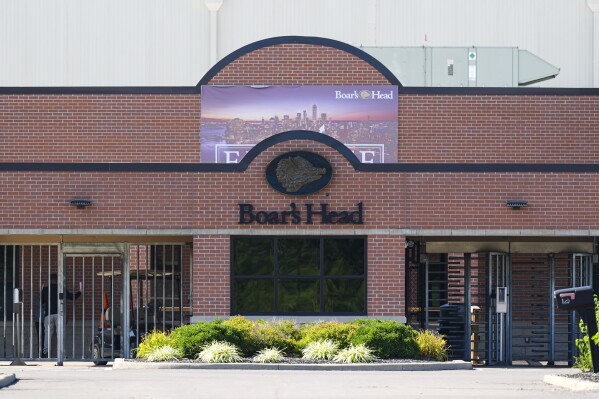
However, a closer look at recent inspection documents obtained by The Associated Press through a freedom of information request paints a troubling picture. These 35 pages of USDA noncompliance reports, logged between January 1 and July 23 of this year, indicate that Boar’s Head facilities in Forrest City, Arkansas; New Castle, Indiana; and another location in Petersburg, Virginia, continue to grapple with significant sanitation problems. Alarmingly, many of these issues are strikingly similar to those that precipitated the devastating listeria contamination in the first place.
Throughout the past seven months, government inspectors repeatedly documented instances of inadequate sanitation practices. These include:
- Persistent meat and fat residue on equipment, walls, and stairs from previous day’s production.
- Drains choked with meat products.
- Beaded condensation dripping directly onto food contact surfaces like tables and conveyor belts.
- Overflowing trash cans.
- Rusting meat racks.
- Doors that failed to seal properly.
- Concerning lapses in employee hygiene, such as staff neglecting to wear protective hairnets and plastic aprons or failing to wash their hands.
- One particularly grim finding in April at the Petersburg plant revealed discarded meat under equipment, including “5-6 hams, 4 large pieces of meat and a large quantity of pooling meat juice.”
These findings have raised serious questions among food safety experts and consumer advocates regarding Boar’s Head’s commitment to systemic change and the efficacy of federal oversight. Sandra Eskin, a former USDA official now heading STOP Foodborne Illness, underscored the necessity for government intervention if problems persist. Brian Ronholm, director of food policy for Consumer Reports, expressed surprise, stating, “You would have expected after all they went through that they would put themselves in a place where you could essentially eat deli meat off the factory floor.”
Rep. Rosa DeLauro, a Democrat from Connecticut, condemned the findings as “appalling,” characterizing them as “a pattern of negligence — cutting corners to protect the company’s bottom line at the expense of consumers.” Barbara Kowalcyk, director of a food safety and nutrition security center at George Washington University, pinpointed the core issue as a “food safety culture problem” that demands change from the top.
Boar’s Head, a 120-year-old company based in Sarasota, Florida, has publicly stated its “unwavering commitment to food safety and quality,” citing “recent enhancements to our practices and protocols” and the hiring of a chief food safety officer in May, along with a panel of expert advisors last fall. They also mentioned working with the USDA on a “measured, deliberate” reopening plan for Jarratt. However, company officials declined requests for interviews, refusing to discuss the newly uncovered problems or allow their food safety officer, Natalie Dyenson, or panel advisor, Frank Yiannas (a former FDA official), to elaborate. Another advisor, Mindy Brashears, a USDA nominee, did not respond to inquiries.
While Boar’s Head has posted job openings for two dozen positions at the Jarratt site, including a food safety quality analyst, the lingering issues at other facilities serve as a stark reminder of the challenges in ensuring consistent food safety. Multiple lawsuits stemming from last year’s outbreak have been filed against the company, with several survivors opting not to comment publicly due to financial settlements that included nondisclosure agreements.
Food safety experts like Kowalcyk advise consumers, particularly older individuals, pregnant women, and those with weakened immune systems who are most vulnerable to severe listeria infections, to exercise caution when consuming deli meats. The latest reports, she notes, suggest that “there are issues at this organization that still are not completely under control, apparently.”


