

Global Leaders Gather in Geneva for Decisive Plastics Treaty Talks
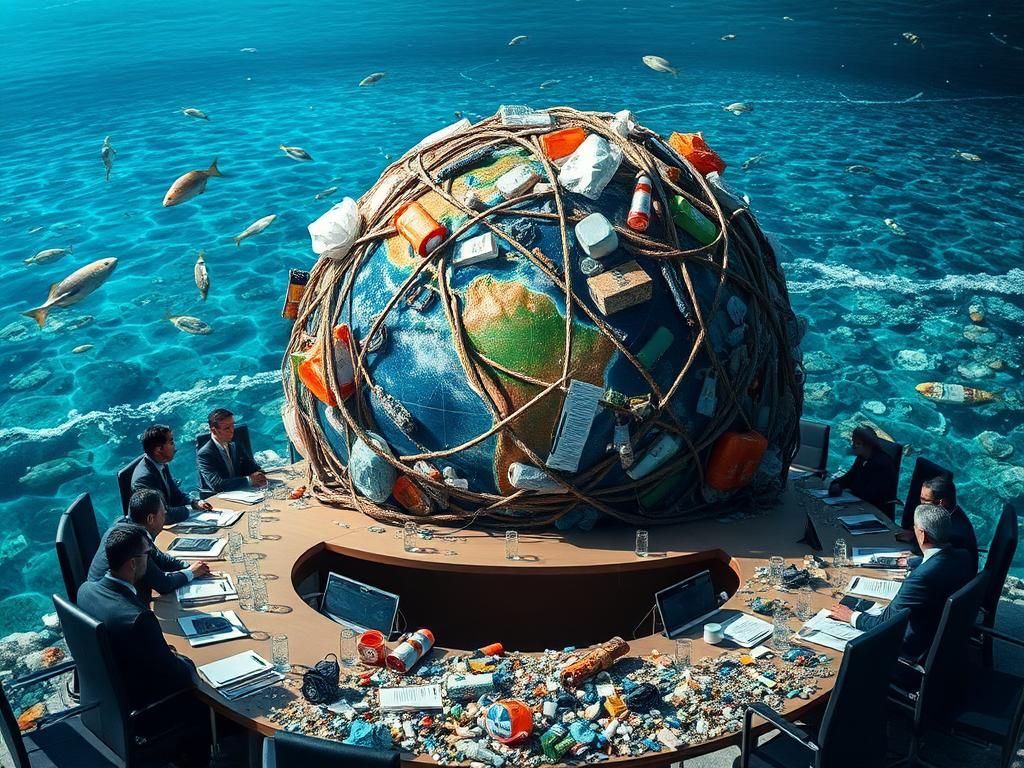
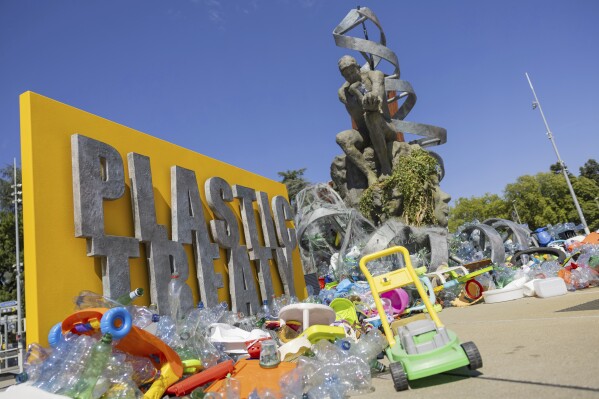
GENEVA, Switzerland — Nations from across the globe have reconvened in Geneva this Tuesday for what many hope will be the decisive round of negotiations to forge a landmark, legally binding treaty aimed at curbing the escalating plastic pollution crisis. This critical gathering, the sixth such meeting, marks a pivotal moment in the global effort to address a pervasive environmental catastrophe that now impacts every ecosystem and human being on the planet.
The Core Debate: Production Limits vs. Downstream Solutions
The core of the contentious debate revolves around a fundamental question: should the treaty mandate a reduction in plastic production, or should it primarily focus on downstream solutions like redesign, recycling, and reuse? Powerful oil-producing nations, whose economies are deeply intertwined with fossil fuels—the primary feedstock for most plastic—staunchly oppose production caps. They argue that innovative design, enhanced recycling infrastructure, and widespread reuse initiatives can sufficiently address the problem.
Urgency and Environmental Catastrophe
However, a strong coalition of other countries, alongside several major multinational corporations, contends that such measures alone are insufficient. Angelique Pouponneau, the lead ocean negotiator representing 39 small island and low-lying coastal developing states, underscores the urgency. From her home in the Seychelles, she witnesses firsthand how plastic infiltrates the very fish they consume, inundates pristine beaches, and suffocates marine ecosystems, severely undermining vital tourism industries and traditional ways of life. “It’s the world’s final opportunity to get this done and to get it done right,” Pouponneau asserted. “It would be a tragedy if we didn’t live up to our mandate.”

Inger Andersen, Executive Director of the United Nations Environment Programme, echoed the dire situation, describing the plastic crisis as “really spiraling.” She emphasized the narrow window for achieving a robust treaty, noting broad agreement on redesigning plastic products for easier recycling and improving waste management practices. “We need to get a solution to this problem. Everybody wants it. I’ve yet to meet somebody who is in favor of plastic pollution,” Andersen stated.
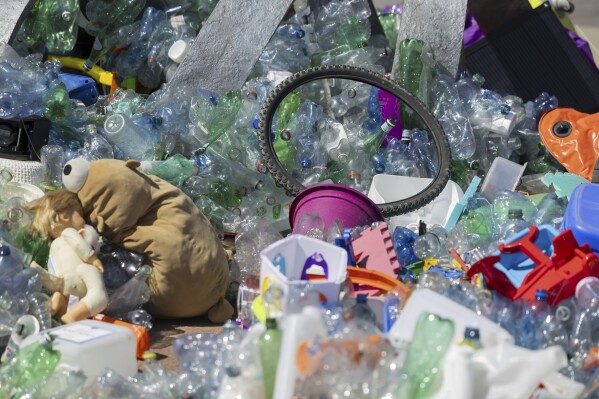
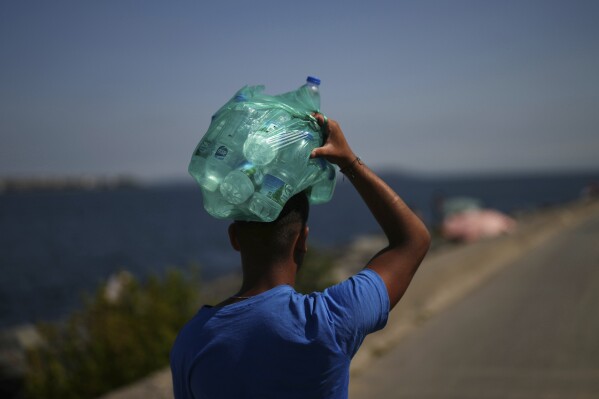
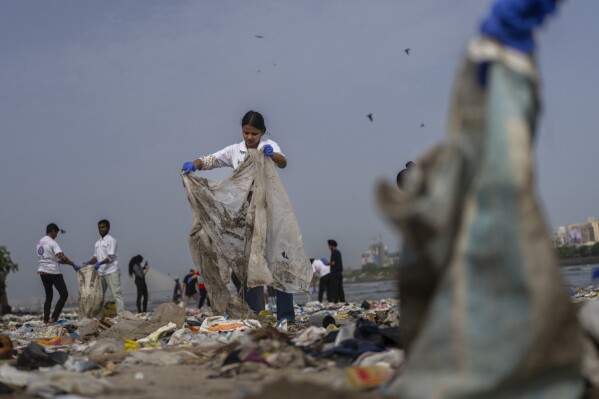
The sheer scale of the problem amplifies the urgency. Between 19 million and 23 million tons of plastic waste currently leak into aquatic ecosystems annually, a staggering figure that the United Nations warns could surge by 50% by 2040 without immediate and decisive action. Globally, more than 400 million tons of new plastic are manufactured each year. Without significant policy shifts, this annual production could see an alarming 70% increase by 2040.
The Mandate and Past Deadlocks
The mandate for this treaty originated in March 2022, when 175 nations committed to establishing the first legally binding instrument on plastic pollution by the close of 2024. The agreement aimed to encompass the entire life cycle of plastic, from its production and design to its disposal. Yet, talks last year in South Korea concluded in a deadlock over the very issue of production cuts, highlighting the deep chasm among negotiating parties.
Who Stands Where?
Advocates for Production Limits:
- Approximately 100 countries advocating for legally binding limits on plastic production.
- Panama, leading the charge in Geneva, believes bypassing production limits would result in an “agreement that is politically convenient, but environmentally speaking, is ineffective.”
- Over 300 businesses, including giants like Walmart, The Coca-Cola Company, PepsiCo, and L’Oréal, united under the Business Coalition for a Global Plastics Treaty, support reducing production alongside improved recycling and reuse. They seek a globally consistent, binding treaty to avoid complexities of disparate national regulations.
Opponents of Production Limits:
- Prominent plastic-producing and oil and gas nations, notably Saudi Arabia, steadfastly oppose production limits, maintaining the focus should solely be on managing plastic waste effectively.
- The United States aligns with this perspective, supporting provisions that enhance waste collection and management, optimize product design, and promote recycling and reuse, but not global production caps or bans on specific plastic products or chemical additives.
- Countries like China, the United States, and Germany are global leaders in both plastic exports and imports, underscoring their significant stake in these negotiations.
Procedural Hurdles and Compromises
The procedural aspect of the treaty also presents a hurdle. For any proposal to be integrated into the final agreement, it traditionally requires unanimous consent from all participating nations. A movement to allow decisions by vote, if consensus proves impossible, has been met with resistance from countries like India, Saudi Arabia, Iran, and Kuwait, who argue that consensus is paramount for an effective treaty. The idea of “opt-in” or “opt-out” provisions is also being discussed as a potential compromise, though critics like Bjorn Beeler of the International Pollutants Elimination Network warn that such flexibility could render the treaty toothless, lacking real obligations. Tracey Campbell, an executive vice president at LyondellBasell and vice chair of the World Plastics Council, suggests focusing on agreed-upon initial steps like product redesign and financing waste solutions, building momentum from there. However, environmental groups like Greenpeace are holding firm, advocating for at least a 75% reduction in plastic production by 2040, asserting, “We will never recycle our way out of this problem.”
A Diverse Assembly and Disproportionate Impacts
The Geneva talks, spanning 10 days until August 14, host a diverse assembly of thousands, including delegates from most countries, representatives from the plastics industry and businesses, environmentalists, scientists, and crucially, Indigenous leaders. Frankie Orona, executive director of the Texas-based Society of Native Nations, who has attended every negotiating session, highlights the disproportionate impact of plastic production on Indigenous communities. He emphasizes how the extraction of fossil fuels and the manufacturing of plastic with hazardous chemicals directly contaminate Indigenous lands, water, and air. “We feel we absolutely have to be present to let them know, and see, who are the people that are really being impacted by the plastics crisis,” Orona stated, underscoring the human face of this global environmental challenge.
The Road Ahead
The success of these negotiations hinges on the ability of disparate parties to bridge significant gaps and agree on a truly transformative instrument that can halt the escalating tide of plastic pollution for future generations.