

Tesla Ordered to Pay Over $240 Million in Landmark Autopilot Crash Verdict
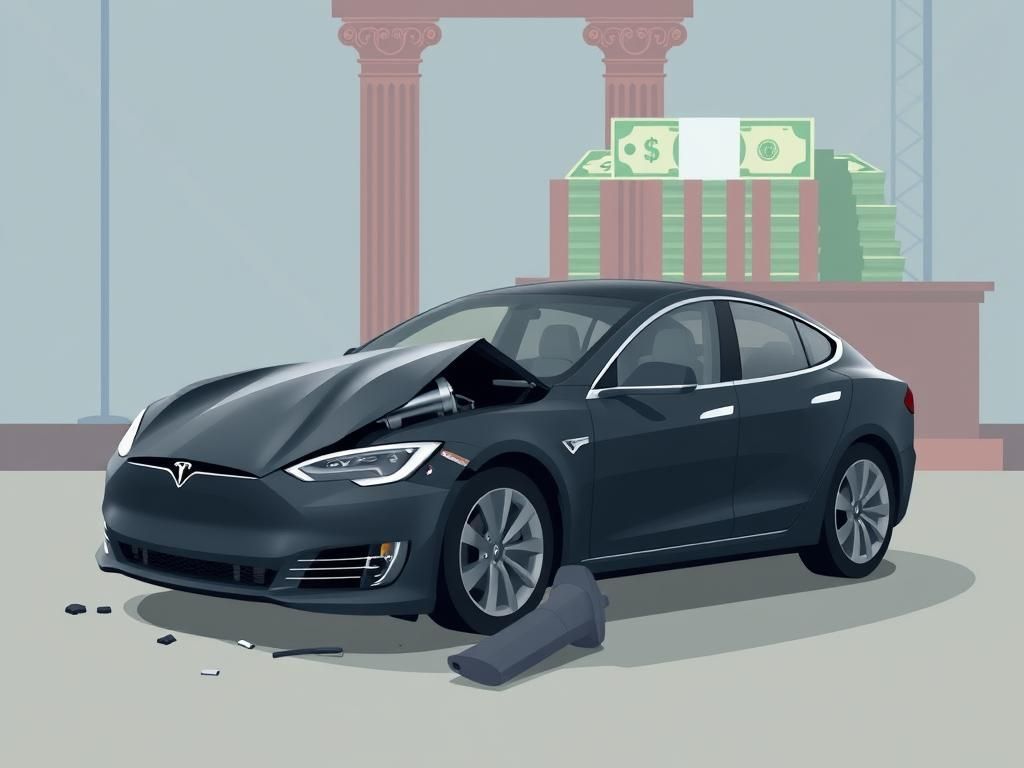
MIAMI — A federal jury in Miami has delivered a significant blow to Tesla, ordering Elon Musk’s car company to pay over $240 million in damages for a deadly 2019 crash in Florida involving its Autopilot driver-assist technology. The verdict, reached after a four-year legal battle, found Tesla partly responsible, challenging the notion that all blame rests solely with a distracted driver.
Tragic Crash in Key Largo
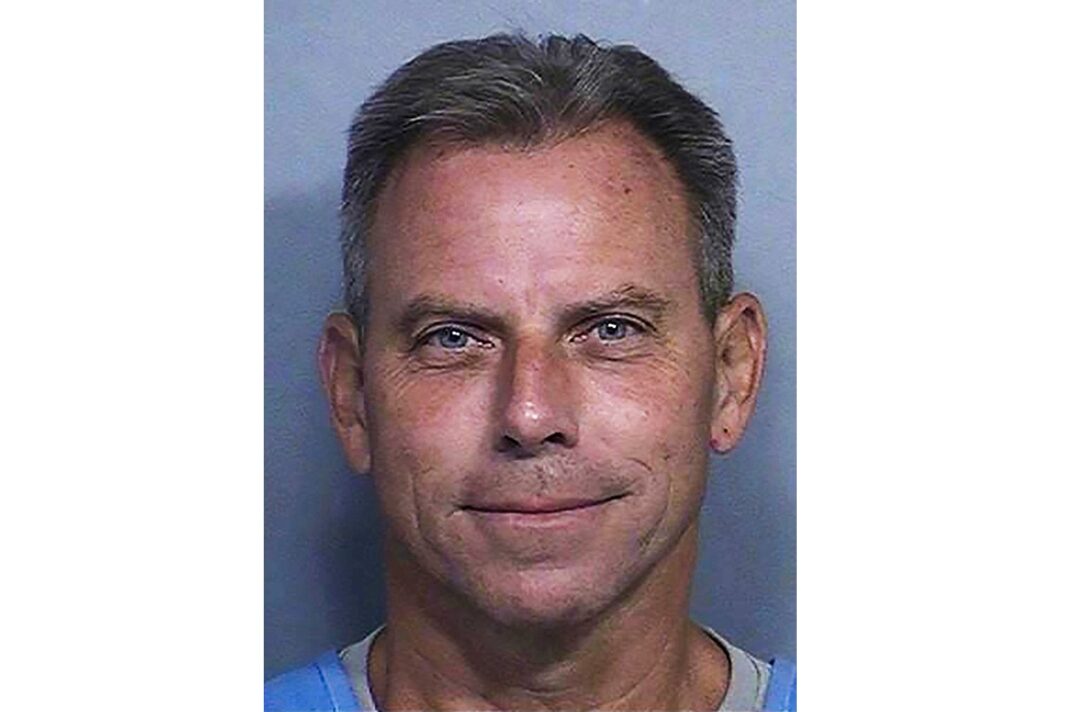
The decision stems from an incident in Key Largo, Florida, where 22-year-old Naibel Benavides Leon was killed, and her boyfriend, Dillon Angulo, suffered severe injuries. The couple had parked their Chevrolet Tahoe to gaze at the stars when their vehicle was struck by a Tesla, driven by George McGee. McGee admitted he was distracted by his cellphone, speeding at 62 miles per hour, and failed to stop at flashing lights and a stop sign at a T-intersection.

Jury Finds Tesla Significantly Responsible
Crucially, the jury held that Tesla bore “significant responsibility” because its technology failed to prevent the collision. This outcome is particularly noteworthy as many similar cases against Tesla have historically been dismissed or settled out of court, making this a rare public trial and verdict. Miguel Custodio, a car crash lawyer not involved in the case, predicted this ruling would “open the floodgates” for future lawsuits.
Crucial Evidence Allegedly Withheld
A critical aspect of the trial involved accusations from the victims’ family lawyers, who claimed Tesla either hid or lost vital evidence, including data and video recorded moments before the crash. Despite Tesla’s repeated denials, the plaintiffs hired a forensic data expert who successfully unearthed this crucial information, revealing its existence all along. “We finally learned what happened that night, that the car was actually defective,” stated Neima Benavides, sister of the deceased.
Autopilot System at the Heart of Legal Arguments
The legal arguments centered on Tesla’s Autopilot system. Plaintiffs’ lead lawyer, Brett Schreiber, contended that Tesla was at fault for not disengaging Autopilot when the driver showed signs of distraction and for allowing the system to be used on smaller roads for which it was not designed. McGee himself testified, “I trusted the technology too much. I believed that if the car saw something in front of it, it would provide a warning and apply the brakes.”
The ‘Autopilot’ Misnomer
Schreiber also criticized Tesla’s use of the term “Autopilot,” suggesting it misled consumers into believing the system offered full autonomous driving capabilities, rather than being merely a driver-assist feature. He highlighted that other automakers use more cautious terms like “driver assist” or “copilot” to prevent over-reliance. “Words matter,” Schreiber emphasized, implying Tesla’s language choices demonstrated a willingness to “play fast and loose with information and facts.”
Tesla’s Defense: Driver Negligence Sole Cause
In response, Tesla’s lead defense lawyer, Joel Smith, maintained that McGee’s negligence — his distraction and speeding — was the sole cause of the accident, especially since he had navigated the same intersection numerous times without incident.
Historic Damages Awarded
The jury awarded $200 million in punitive damages and found Tesla responsible for $43 million of the total $129 million in compensatory damages for the crash, bringing the company’s total liability to $243 million. Financial analyst Dan Ives of Wedbush Securities described the figure as “a big number that will send shock waves to others in the industry.”
Tesla Plans Appeal, Cites Safety Concerns
Tesla has announced its intention to appeal the verdict, arguing that the outcome is “wrong” and could “set back automotive safety.” The company asserts that a pre-trial agreement limits punitive damages to three times Tesla’s compensatory damages, potentially reducing their payout to $172 million. However, the plaintiffs maintain their agreement calculates punitive damages based on all compensatory damages awarded, not just Tesla’s portion.
Wider Implications for Autonomous Technology
This verdict emerges as Elon Musk pushes for a broader rollout of Tesla’s autonomous technology, including plans for a driverless taxi service. While Tesla has significantly advanced its technology since the 2019 crash, the legal precedent set by this case could have profound implications for the auto industry as it continues to develop and deploy increasingly sophisticated self-driving systems.