

Australia Mandates 16+ Age for YouTube Accounts in Landmark Online Safety Push
MELBOURNE, Australia (AP) — In a significant policy reversal aimed at protecting its youth, the Australian government announced Wednesday that YouTube will now be required to enforce a minimum age of 16 for its account holders. This new regulation, effective December 10, integrates the video-sharing giant into Australia’s pioneering laws designed to shield children from online harms.
Closing a Perceived Loophole
The landmark legislation, passed by the Australian Parliament last November, initially exempted YouTube while setting a 16-year-old minimum age for other major social media platforms like Facebook, Instagram, Snapchat, TikTok, and X. Communications Minister Anika Wells clarified that YouTube will now be classified as an “age-restricted social media platform,” addressing a previously perceived loophole in the law.
Stiff Penalties for Non-Compliance
Platforms failing to comply with the new regulations and take “responsible steps” to exclude underage account holders face substantial fines. Companies could be penalized up to 50 million Australian dollars (approximately $33 million USD). While specific verification methods remain flexible, Minister Wells assured that platforms wouldn’t necessarily demand sensitive personal identification documents. She asserted that companies already possess sufficient data to ascertain user age, stating, “These platforms know with deadly accuracy who we are, what we do and when we do it.”
Driven by Alarming Data
The government’s decision to include YouTube was prompted by concerning statistics. “The evidence cannot be ignored that four out of 10 Australian kids report that their most recent harm was on YouTube,” Wells informed reporters. Government research highlighted issues such as addictive behaviors, social isolation, sleep interference, poor mental and physical health, diminished life satisfaction, and exposure to inappropriate content among young users on the platform.
Access for Under-16s Still Permitted, With Restrictions
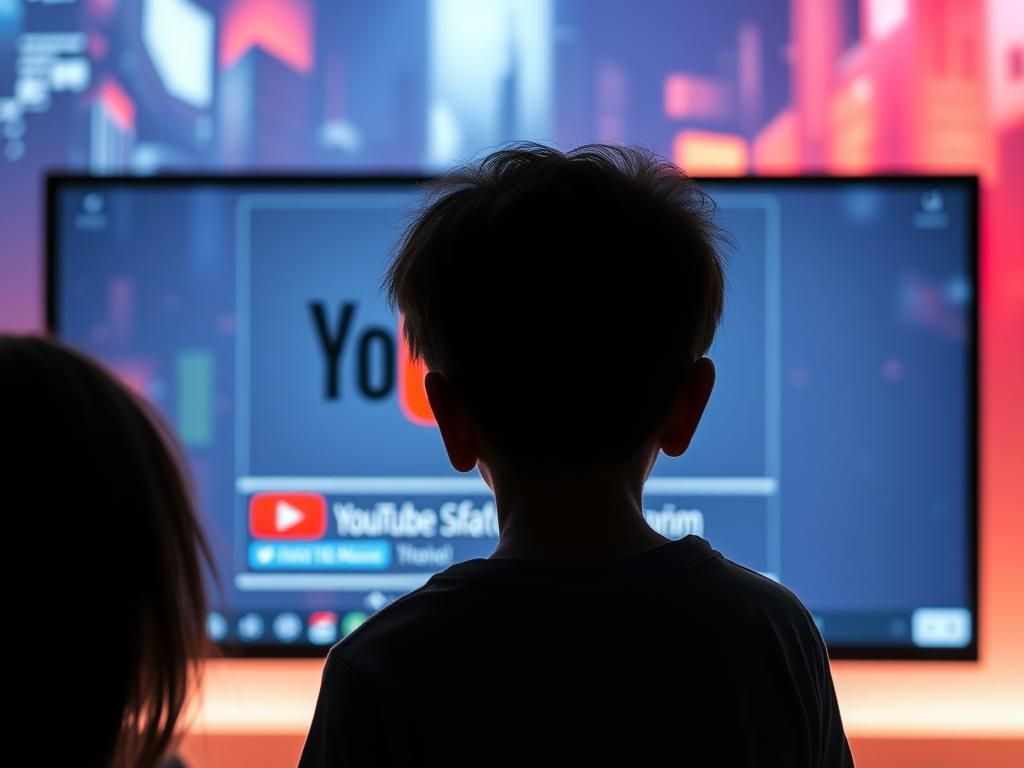
Children under 16 will still be able to access YouTube content. However, they will be prohibited from creating or maintaining their own accounts, a distinction the government believes will effectively mitigate associated risks.
YouTube Condemns the Decision
YouTube, owned by U.S. tech giant Alphabet Inc., swiftly criticized the new policy. In a public statement, the company argued that the government’s move “reverses a clear, public commitment to exclude YouTube from this ban.” YouTube reiterated its position as primarily a “video sharing platform with a library of free, high-quality content, increasingly viewed on TV screens,” rather than a social media service. The company announced it would “consider next steps and engage with the government,” hinting at potential future challenges.
Australia’s Global Ambition
The Australian government remains firm on its stance. Prime Minister Anthony Albanese indicated Australia’s intent to champion this cause internationally, advocating for global support for banning children from social media at a United Nations forum in New York this September. “I know from the discussions I’ve had with other leaders that they are looking at this and they are considering what impact social media is having on young people in their respective nations,” Albanese remarked, suggesting a growing international consensus on the issue.
Targeted Approach: Exemptions Apply
Online services deemed less harmful, such as gaming platforms, messaging apps, and educational and health applications, are exempt from these age restrictions. This reflects a targeted approach to online safety. While the government’s comprehensive evaluation of age assurance technologies is ongoing, the current rules prioritize immediate action based on existing evidence of harm.
This bold move by Australia solidifies its position as a global leader in online safety regulation, setting a significant precedent that other nations grappling with the impact of social media on children may soon follow.