UnitedHealth Shares Plunge After Missing Q2 Expectations, Slashing 2025 Outlook Amid Soaring Medical Costs
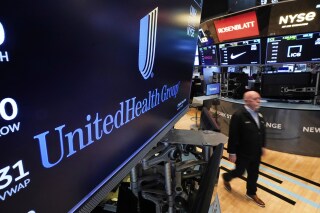
UnitedHealth Group Shares Plummet Amid Rising Medical Costs and Drastically Lowered 2025 Outlook
MINNEAPOLIS – UnitedHealth Group Inc. (NYSE: UNH) saw its shares plummet more than 3% on Tuesday following a disappointing second-quarter earnings report and a significantly revised, more conservative financial outlook for 2025. The healthcare giant cited persistently rising medical costs as the primary driver behind its underperformance, a trend that has also impacted several of its major competitors.
For the second quarter, ended June 30, UnitedHealth reported adjusted earnings of $4.08 per share on revenues of $111.6 billion. This fell short of Wall Street’s expectations, which had anticipated earnings of $4.48 per share on slightly lower revenues of $111.5 billion, according to data compiled by FactSet. The company’s largest operating expense, medical costs, surged by a substantial 20% during the quarter, reaching $78.6 billion.
A Sharply Lowered 2025 Forecast
Compounding the second-quarter miss, UnitedHealth dramatically recalibrated its earnings forecast for the upcoming year. The company now expects adjusted earnings of at least $16 per share for 2025, a stark reduction from its initial optimistic projection of up to $30 per share provided at the beginning of the year. This revised outlook also sits considerably below the current analyst consensus of $20.64 per share for 2025, as tracked by FactSet.
This marks the second time in recent months that UnitedHealth has adjusted its future financial expectations. In May, the company abruptly withdrew its previous 2025 forecast amidst escalating medical expenses, coinciding with the unexpected departure of CEO Andrew Witty. Stephen Hemsley, who previously served as UnitedHealth’s CEO for over a decade until 2017, was reinstated as Chairman and interim CEO. Hemsley had publicly committed in June to providing a “prudent” 2025 earnings outlook with the second-quarter results, acknowledging that the company had “underestimated care activity and cost trends.”
Rising Costs Plague the Industry
The surge in medical costs is not unique to UnitedHealth. Several major health insurers, including Elevance Health Inc. and Centene Corp., have also recently lowered their annual forecasts and reported disappointing results, attributing the setbacks to higher-than-expected claims. Insurers are grappling with increased spending on expensive emergency room visits, a significant rise in prescription drug costs – particularly for high-cost cancer treatments and gene therapies – and a notable uptick in behavioral health care services, encompassing mental health conditions and substance use disorders.
Stock Performance Reflects Investor Concerns
UnitedHealth Group, headquartered in Eden Prairie, Minnesota, is a diversified healthcare behemoth, operating one of the nation’s largest health insurance plans alongside its rapidly expanding Optum division, which provides care delivery and technology solutions. Despite its broad portfolio, the company’s stock has been under considerable pressure.
Shares closed Tuesday at $272.51, reflecting a more than 3% decline pre-market. This marks a significant retreat from its all-time high of over $630 reached last November. The stock has been on a consistent downward trajectory since December, a period that tragically included the fatal shooting of UnitedHealthcare CEO Brian Thompson in midtown Manhattan on his way to the company’s annual investor meeting. Year-to-date, UnitedHealth shares have shed a substantial 44% of their value, highlighting investor concern over the sustained increase in healthcare utilization and its impact on the industry’s profitability. The path forward for UnitedHealth, and the broader health insurance sector, will likely involve continued efforts to manage these escalating medical costs while navigating a complex healthcare landscape.