


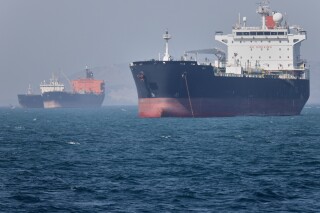
Saudi Aramco Reports Soaring Profits Amidst Geopolitical Tensions
DHAHRAN, SAUDI ARABIA – Saudi Aramco, the world’s leading oil company, has announced a significant 25% increase in its first-quarter profits, reaching an impressive $32.5 billion. This robust financial performance comes at a time of heightened geopolitical instability, particularly in light of a conflict involving Iran that has severely disrupted global oil supplies and pushed energy prices upwards.
Navigating the Strait of Hormuz Crisis
The Dhahran-based energy giant successfully rerouted a portion of its crude exports via its strategically vital East-West Pipeline. This critical maneuver was implemented to bypass the increasingly volatile Strait of Hormuz, a waterway that historically facilitates the passage of approximately 20% of the world’s traded oil daily, alongside substantial volumes of natural gas and other petroleum products.
According to Aramco’s statement, the situation in the Strait escalated following an alleged attack by the United States and Israel on February 28th, which subsequently led to Iran effectively seizing control of the strait. A further U.S. naval blockade has since complicated its navigability, making alternative shipping routes essential for maintaining global supply chains.
East-West Pipeline: A Lifeline for Global Energy
Amin Nasser, President and CEO of Aramco, confirmed that the East-West Pipeline, which spans across Saudi Arabia from its eastern oil fields to the Red Sea, is currently operating at its maximum capacity of 7 million barrels of oil per day. Nasser underscored the pipeline’s critical role, stating that it is “helping to mitigate the impact of a global energy shock and providing relief to customers.”
While operating at full capacity, this figure represents a fraction of Aramco’s typical overall production, which stood at 11.1 million barrels of oil per day in the fourth quarter of 2025, highlighting the challenge of rerouting all volumes.
Market Reactions and Future Outlook
The global supply constraints have had a noticeable impact on the market. The price of Brent crude, the international benchmark, climbed 2.58% to $103.91 per barrel following Aramco’s announcement. While this price remains below its peak of over $119 per barrel observed during the height of the conflict, it signifies a substantial increase from the approximately $70 per barrel recorded in late February, prior to the onset of the fighting.
Aramco’s strong first-quarter performance contrasts with a 12% decline in its annual profits reported for the full year of 2025. Nevertheless, CEO Amin Nasser emphasized the enduring significance of hydrocarbons in the current global climate. “Recent events have clearly demonstrated the vital contribution of oil and gas to energy security and the global economy, and are a stark reminder that reliable energy supply is critical,” Nasser affirmed. He concluded by reiterating Aramco’s commitment to its strategic priorities, leveraging its extensive domestic infrastructure and global network to navigate ongoing disruptions in the international energy landscape.