Trump Administration Weighs Military Action for Greenland After Venezuela Intervention, Igniting NATO Tensions
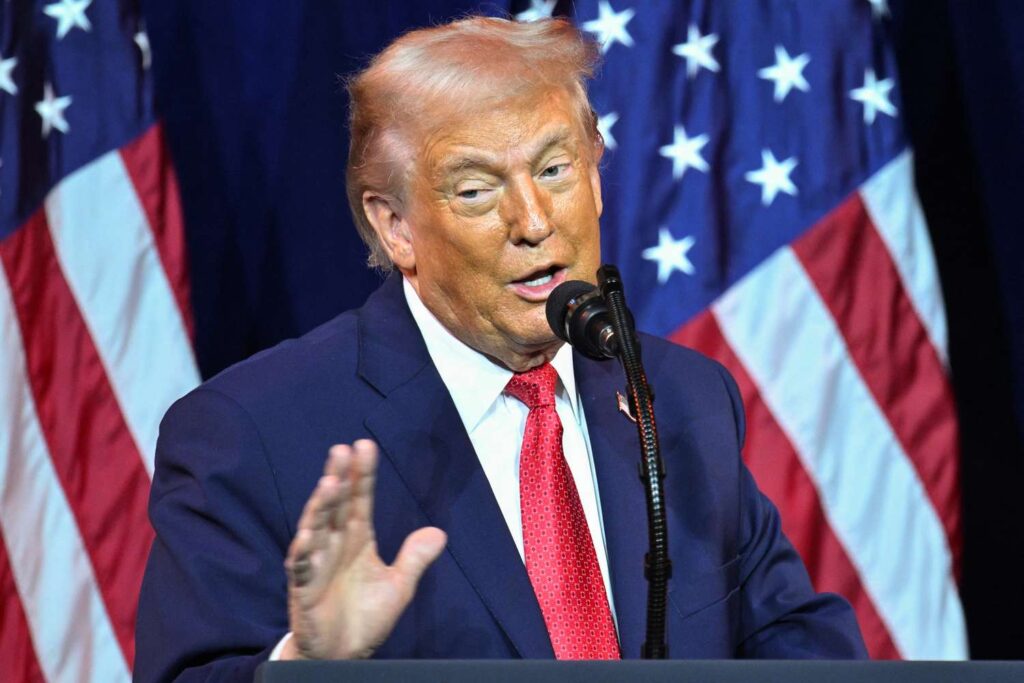
U.S. Shifts Aggressive Foreign Policy Focus to Greenland After Venezuela Operation
Washington D.C. – Just days after a controversial military operation led to the capture of Venezuelan President Nicolás Maduro and his wife, President Donald Trump’s administration has pivoted its assertive foreign policy focus to Greenland, openly considering military options for acquiring the vast Arctic territory. White House Press Secretary Karoline Leavitt confirmed in the early hours following the Venezuela strikes that “utilizing the U.S. Military is always an option at the Commander in Chief’s disposal” as the President pursues what he deems a “national security priority.”
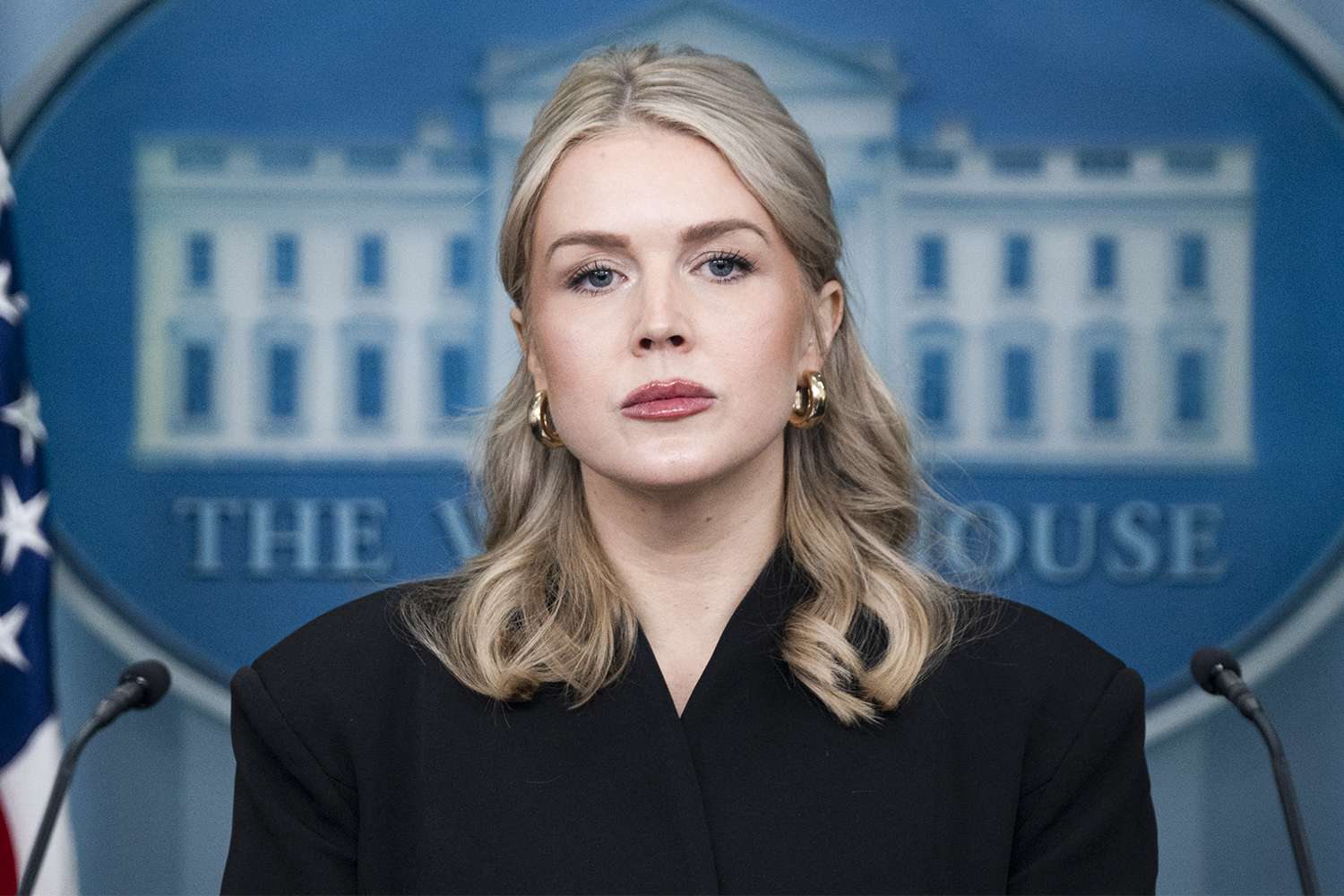
The declaration follows the swift military strikes in Venezuela on Saturday, January 3, 2026, where U.S. forces successfully apprehended President Maduro and his wife, bringing them to the United States. This audacious operation has set a new precedent for American foreign policy, with President Trump reportedly reviewing a “range of options” to achieve the “important foreign policy goal” of securing Greenland.
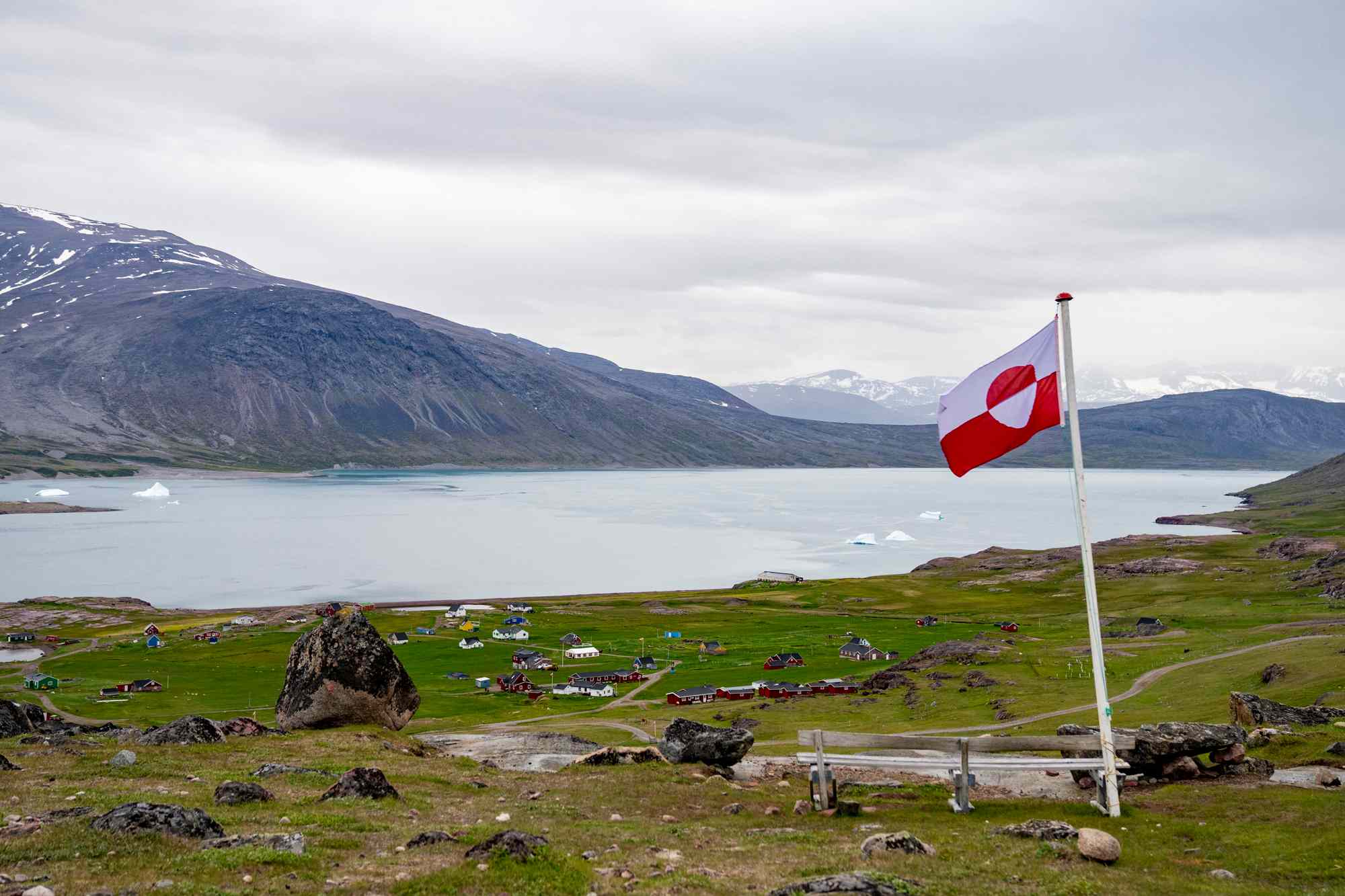
Trump Reiterates Strategic Importance of Greenland
President Trump has consistently articulated his long-standing desire to annex Greenland, a vast self-governing island within the Kingdom of Denmark, citing its critical strategic importance. “It’s so strategic right now. Greenland is covered with Russian and Chinese ships all over the place,” Trump stated aboard Air Force One on Sunday, January 4, 2026, adding, “We need Greenland from the standpoint of national security, and Denmark is not going to be able to do it.” He further suggested that the U.S. could become similarly involved in nations like Colombia, Cuba, Iran, and Mexico, alongside Greenland.
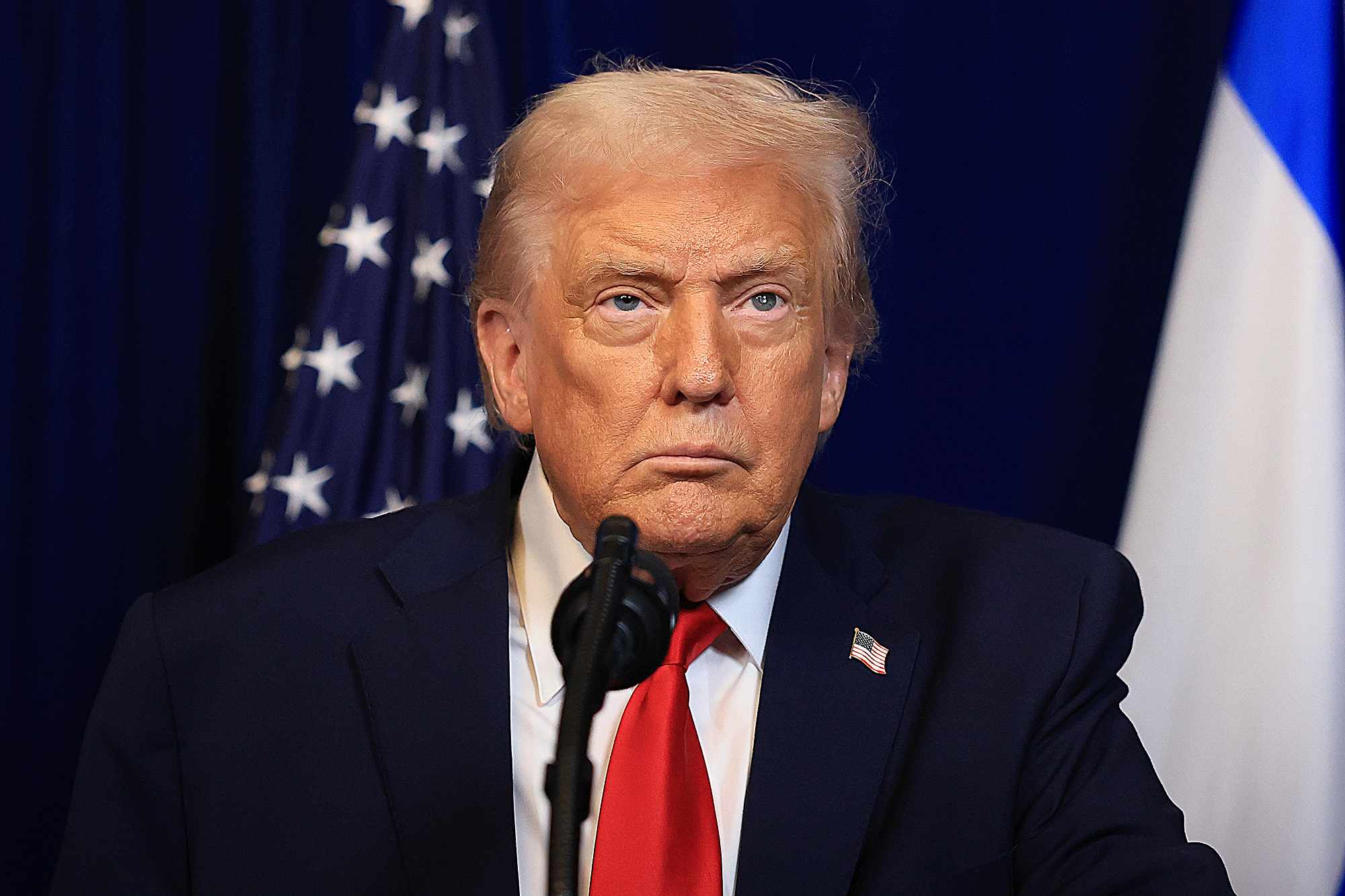
Diplomatic and Economic Avenues Also Explored Amidst Military Option
While military action remains a clear possibility, other diplomatic and economic avenues are also reportedly under consideration. Secretary of State Marco Rubio had previously informed lawmakers that the administration’s primary plan involved purchasing Greenland from Denmark, as reported by CNN and The New York Times. Additionally, CBS News indicated that options such as forming a compact of free association, a formal relationship between a sovereign nation and the U.S., are being explored.
International Condemnation and Danish Warning
However, the prospect of military intervention has drawn immediate and fierce condemnation from Denmark, a long-standing U.S. ally and fellow NATO member. Danish Prime Minister Mette Frederiksen issued a stark warning on Monday, January 5, 2026, stating unequivocally that any American military move to seize Greenland would effectively terminate the NATO international military alliance. “If the United States chooses to attack another NATO country militarily, then everything stops. That is, including our NATO, and thus the security that has been provided since the end of the Second World War,” Frederiksen told local media, according to CBS News.
Further solidifying this international opposition, a letter published on X by the Denmark Prime Minister’s Office on Tuesday, January 6, 2026, and co-signed by leaders of Denmark and other European NATO states, unequivocally pushed back against Trump’s interest. The letter asserted, “Greenland belongs to its people. It is for Denmark and Greenland, and them only, to decide on matters concerning Denmark and Greenland.”
A New Chapter in International Relations?
As the Trump administration navigates the geopolitical landscape post-Venezuela, its aggressive posture towards Greenland signals a potentially turbulent new chapter in international relations, challenging long-held alliances and the very foundations of global security frameworks.