Trump Unleashes Veto Power, Blocking Crucial Colorado Water Project and Tribal Land Expansion
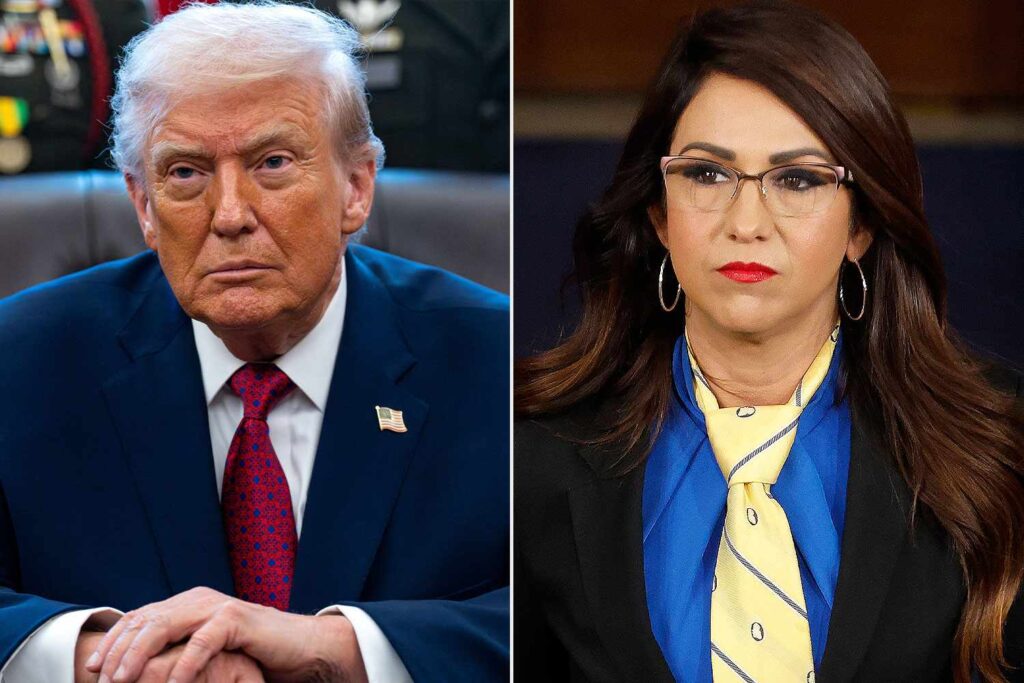
President Trump Issues First Vetoes of Second Term, Drawing Bipartisan Fire
WASHINGTON D.C. — President Donald Trump, 79, delivered a decisive blow to two bipartisan pieces of legislation on Tuesday, December 30, marking the first vetoes of his second term. The actions have sparked immediate condemnation from both Republican and Democratic lawmakers, who accuse the administration of political retaliation.
The Arkansas Valley Conduit Act Veto
The first bill to face the President’s rejection was the Finish the Arkansas Valley Conduit Act, a critical infrastructure project championed by Republican Rep. Lauren Boebert, 39, of Colorado. The bill, introduced by Boebert in January 2025 and passed by voice votes in both the House and Senate, aimed to secure the completion of a decades-long endeavor: a vital pipeline delivering water from the Pueblo Reservoir to communities across southeastern Colorado. For over 50,000 residents in the region, the Arkansas Valley Conduit (AVC) represents a fundamental promise of safe and reliable drinking water, with initial construction authorized as far back as 1962.
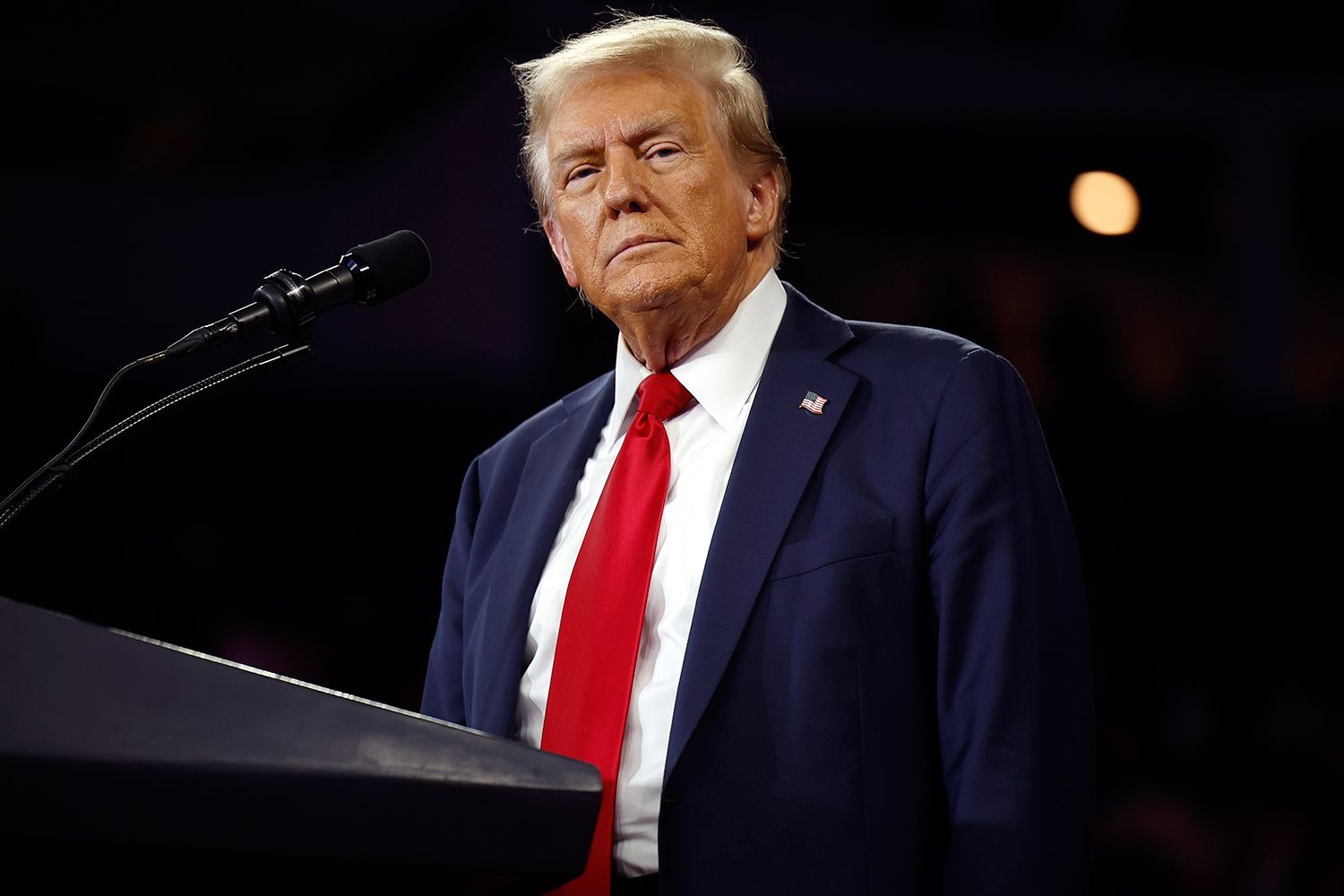
President Trump justified his veto in a statement, asserting, “Enough is enough. My administration is committed to preventing American taxpayers from funding expensive and unreliable policies. Ending the massive cost of taxpayer handouts and restoring fiscal sanity is vital to economic growth and the fiscal health of the Nation.”
Rep. Boebert, who represents Colorado’s Fourth Congressional District, swiftly responded to the veto on X, declaring, “This isn’t over.” In a more extensive statement to 9News, she directly challenged the administration’s motives. “If this administration wants to make its legacy blocking projects that deliver water to rural Americans; that’s on them,” Boebert stated. She added a pointed insinuation: “I hope this veto has nothing to do with political retaliation for calling out corruption and demanding accountability. Americans deserve leadership that puts people over politics.”
Boebert’s comments allude to recent political tensions, particularly her prominent role in a November vote to release Department of Justice files related to the late financier Jeffrey Epstein. Boebert was among the 471 House members who voted overwhelmingly in favor of releasing these classified documents, even signing the discharge petition that forced the vote, a move that garnered significant public attention. The President has also recently been critical of Colorado following the imprisonment of Tina Peters, a former state election official convicted in connection with efforts to overturn the 2020 presidential election, as reported by The New York Times.
Colorado’s Democratic Senators, Michael Bennet and John Hickenlooper, joined Boebert in condemning the veto. Senator Hickenlooper urged Congress to “swiftly” overturn the decision, while Senator Bennet sharply criticized the President’s actions, writing, “This isn’t governing. It’s a revenge tour. It’s unacceptable. I’ll keep fighting to get rural Colorado the clean water they deserve.”
The Miccosukee Reserved Area Amendments Act Veto
The second bill vetoed by President Trump was the Miccosukee Reserved Area Amendments Act, sponsored by Republican Rep. Carlos Gimenez of Florida. This bill, also passed by voice vote in Congress, sought to expand the Miccosukee Reserved Area to include Osceola Camp, an area historically significant to the Miccosukee Tribe within the Everglades National Park. The expansion would have provided the tribe greater autonomy and preservation capabilities over their ancestral lands.
In his message to Congress explaining this second veto, Trump presented a controversial rationale, claiming the Miccosukee Tribe had “actively sought to obstruct reasonable immigration policies that the American people decisively voted for when I was elected.” This statement refers to the tribe’s vocal and legal opposition to the construction and funding of a contentious immigration detention center, infamously dubbed “Alligator Alcatraz.” This facility was built within the Big Cypress National Preserve, a region integral to the cultural heritage and traditional lands of both the Miccosukee and Seminole peoples. The tribe’s legal battles against the center were rooted in concerns over sovereignty, environmental impact, and human rights, highlighting a long-standing dispute with federal policies impacting their ancestral domain.
Political Implications
Both vetoes underscore a deepening partisan divide and raise questions about the nature of executive power and congressional relations in the current political landscape. While President Trump cites fiscal responsibility and adherence to immigration policy as his motivations, the strong bipartisan backlash suggests a perception of politically motivated actions. Congress retains the power to overturn both vetoes, requiring a two-thirds majority vote in both the House and Senate. The coming weeks will reveal whether lawmakers are prepared to challenge the President’s authority on these contentious measures.