Tesla’s Q3 Sales Rebound Sparks Debate: Tax Credit Boost or True Turnaround?
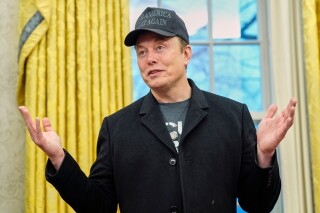
Tesla’s Q3 Sales Surge: A Blip or a Rebound Amidst Challenges?
NEW YORK (AP) — After a year marked by declining sales and public backlash against CEO Elon Musk’s controversial political stances, electric vehicle giant Tesla has reported a surprising 7% surge in car sales for the third quarter, ending September 30. While the numbers initially buoyed investors, pushing the stock higher, skepticism quickly emerged as the rally faded by day’s end, leaving analysts to ponder if this is a genuine recovery or merely a fleeting boost from an expiring federal tax credit.
Exceeding Expectations, But With a Catch
Tesla delivered 497,099 vehicles in the three months through September, significantly exceeding analysts’ expectations of a modest drop to 456,000 units. This figure represents a notable increase from the 462,890 cars sold in the same period last year. However, this impressive quarterly performance is largely attributed to a rush by consumers to capitalize on a $7,500 federal tax credit before its expiration on September 30, a factor that likely inflated sales across the entire electric vehicle market.
Indeed, the broader EV market experienced a surge, with many of Tesla’s rivals reporting even more substantial gains. Rivian Automotive, for instance, saw its sales climb by a remarkable 32% during the same period. This comparative performance fueled doubts about Tesla’s sustained growth, leading to its stock closing down 4.5% at $439 on Thursday, despite an initial sharp rise. Sam Abuelsamid of Telemetry Insight encapsulated the prevailing sentiment, stating, “I expect this is more a blip for Tesla than the restart of growth.”
The Enduring “Musk Factor”
The “blip” theory is further reinforced by the ongoing “Musk factor.” While investors initially welcomed Elon Musk’s departure from the Trump administration in April, hoping to mitigate boycotts, the world’s richest man remains deeply immersed in political and social controversies. His embrace of President Donald Trump and far-right politicians in Europe has alienated a significant segment of potential car buyers. This backlash was acutely felt in previous quarters, with Tesla experiencing a 13% drop in sales in the first three months of the year and another 13% plunge in the subsequent quarter through June.
In Europe, where Musk publicly endorsed anti-immigrant parties and harshly criticized a British prime minister as an “evil tyrant,” sales plummeted by 40% across more than two dozen countries, sparking protests in cities like Milan and London, where effigies were hung and posters likened him to a Nazi. Even as recently as Wednesday, Musk announced canceling his Netflix subscription over critical comments by a show creator, potentially triggering similar reactions from his followers.
Financial Headwinds and Future Directions
Beyond the political sphere, Tesla faces growing financial headwinds. Profits for the second quarter fell by 16%, and the company continues to lose market share to established European EV manufacturers and rapidly expanding Chinese competitors, such as BYD. To counter these challenges and reignite sales, Musk is reportedly focusing on a planned cheaper version of his bestselling Model Y.
Simultaneously, he is shifting investor attention towards nascent but ambitious ventures, including the rollout of a driverless robotaxi service—which commenced test runs in Austin in June despite “some hitches” like sudden stops and driving in opposing lanes—and the development of Optimus robots for factory and household tasks. The company’s board, including Robyn Denholm, who has received nearly $700 million in compensation since 2014, recently proposed an unprecedented $1 trillion pay package for Musk if he meets ambitious financial goals, a move that drew criticism, including from Pope Leo, lamenting widening income gaps.
The Road Ahead
As Tesla prepares to release its third-quarter earnings later this month, the market watches closely. While the recent sales jump offers a moment of respite, the long-term trajectory for the EV giant remains intertwined with market dynamics, intense competition, and the unpredictable public persona of its visionary, yet polarizing, leader. The question of whether Tesla can sustain growth amidst these complex forces continues to be a central theme for investors and industry observers alike.